Why Make This Salmon, Spinach, Tomato, and Greens Recipe?
The salmon turns tender and rosy while garlicky spinach slips into its center, and the sharp-sweet dressing cuts through every rich bite.
Triangles Of Salmon With Spinach Tomato And Seasonal Greens Recipe is a refined but manageable seafood dinner for two. Salmon is folded around nutmeg-scented spinach, gently roasted with white wine, and served beside tomatoes and peppery seasonal greens tossed in balsamic-orange dressing. The result is colorful, moist, and ready in about 45 minutes.
I first tried making the shape in a deep mold, but the fish cooked unevenly at the thickest point. Folding each portion by hand and roasting it in a shallow dish gave me better control. The salmon stays juicy, and the spinach filling remains visible when you slice through it.
For a small dinner party, prepare the spinach and dressing ahead. Shape the salmon shortly before cooking so the edges stay neat and the filling does not dry out.

Health Benefits & Nutrition
Salmon provides high-quality protein and is naturally rich in omega-3 fats. These fats are part of a balanced eating pattern, while the protein helps make the meal satisfying. Salmon also supplies vitamin B12 and vitamin D, although the exact amounts vary by fish and serving size.
Spinach adds leafy-green color, fiber, folate, vitamin K, and carotenoids. Tomatoes contribute vitamin C, potassium, and lycopene. The mixed greens provide additional fiber and a fresh, slightly bitter contrast to the buttery fish.
Olive oil adds monounsaturated fat and helps the dressing coat the leaves evenly. Because the salmon and dressing already bring plenty of richness, a small amount of oil is enough for a balanced plate.
This recipe contains fish, dairy-free margarine, and possible sulfites from wine or vinegar. Use a certified gluten-free wine and vinegar if cross-contact is a concern. Anyone with a fish allergy should avoid salmon. If you are pregnant, immunocompromised, or managing a medical condition, follow your healthcare professional’s advice about seafood choices and safe cooking temperatures.
Ingredients & Preparation
Recipe Card
| Prep time | 20 minutes |
|---|---|
| Cook time | 25 minutes |
| Total time | 45 minutes |
| Servings | 2 servings |
| Calories | Approximately 650 calories per serving |
| Diet tags | Gluten-free, pescatarian, dairy-free when using dairy-free margarine |
Full Ingredient List
- 15 ounces skinless, boneless salmon fillet
- 2 cups fresh spinach leaves
- 1 tablespoon finely chopped onion
- 2 garlic cloves, minced
- 1 tablespoon unsalted margarine
- 1 tablespoon extra-virgin olive oil, divided
- 1/8 teaspoon grated nutmeg
- 1/4 teaspoon kosher salt, plus more for seasoning
- 1/8 teaspoon freshly ground white pepper, plus more for seasoning
- 2 tablespoons dry white wine
- 1/4 cup balsamic vinegar
- 1/4 cup orange juice
- 3 cups seasonal greens, such as mizuna, red oak lettuce, frisée, or mâche
- 1 medium tomato, thinly sliced
Equipment Needed
- Large skillet
- Shallow ovenproof baking dish
- Sharp chef’s knife
- Cutting board
- Small saucepan
- Mixing bowl
- Instant-read thermometer
- Kitchen twine or wooden toothpicks
Tips for Choosing Quality Ingredients
Choose a salmon fillet with firm, moist flesh and a clean, mild smell. The center-cut portion is easiest to divide into two similarly sized pieces. Avoid fillets with dull brown edges or excessive liquid in the package.
Use fresh spinach with crisp leaves rather than wilted bunches. Baby spinach cooks quickly, but mature spinach works well if you remove thick stems. For the salad, combine one tender lettuce with one peppery green for more texture.
A ripe tomato should feel heavy for its size and yield slightly near the stem. Use a dry white wine that you would enjoy drinking. Its flavor becomes concentrated in the baking dish, so harsh or overly sweet wine can distract from the salmon.
Step-by-Step Instructions
1. Reduce the citrus-balsamic dressing for 10 minutes
Pour the balsamic vinegar and orange juice into a small saucepan. Bring them to a gentle simmer over medium heat, then cook for about 10 minutes, until the liquid reduces by roughly half. Stir twice. The aroma should become sweet and tangy, and the mixture should lightly coat a spoon. Cool for 5 minutes.
2. Cook and cool the spinach filling for 6 minutes
Heat the margarine and 1 teaspoon of the olive oil in a large skillet over medium heat. Add the onion and garlic, then cook for 2 minutes, stirring, until the onion turns translucent and the garlic smells fragrant. Add the spinach, nutmeg, 1/8 teaspoon salt, and white pepper. Cook for 2 to 3 minutes, until the leaves collapse and look glossy. Transfer the spinach to a plate and cool for 5 minutes.
Do not skip the cooling step. The first time I rushed this part, the warm filling softened the salmon surface and made the portions harder to fold. Pressing out excess moisture also prevents watery juices in the baking dish.
3. Shape the salmon triangles for 7 minutes
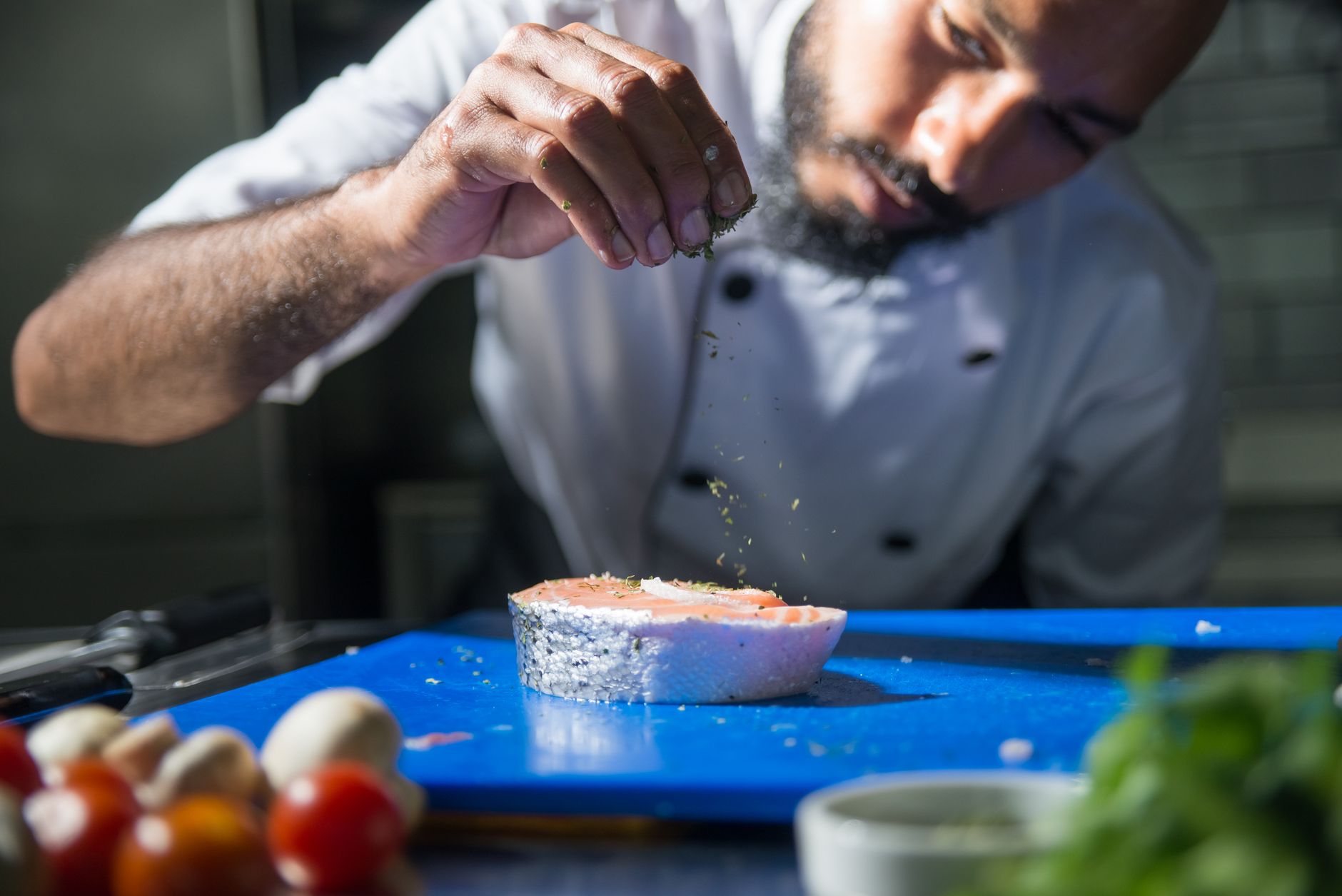
Heat the oven to 375°F. Pat the salmon dry and cut it into two equal pieces. Make a horizontal slit through the thick side of each piece, stopping before the opposite edge, to create a pocket. Season the inside and outside lightly with salt and white pepper.
Divide the cooled spinach between the pockets. Fold each salmon portion over the filling, then angle the ends inward to create a compact triangular parcel. Secure each parcel with kitchen twine or one wooden toothpick. Place the parcels in a shallow ovenproof dish with the pointed sides facing upward.
4. Roast with wine for 20 to 25 minutes
Pour the white wine around, not directly over, the salmon. Cover the dish loosely with foil and roast at 375°F for 20 minutes. Remove the foil and continue for 2 to 5 minutes, depending on thickness.
The salmon is ready when the center reaches 145°F and the flesh flakes easily with a fork. The surface should look opaque around the edges, while the center remains moist. You should hear only a quiet simmer from the wine, not vigorous bubbling. Rest the parcels for 3 minutes before removing the twine or toothpicks.
5. Finish the salad and serve for 3 minutes
Whisk the reduced balsamic-orange mixture with the remaining olive oil. Season with a small pinch of salt and white pepper. Toss the seasonal greens gently in the dressing, then arrange them with the sliced tomato on two plates. Set one salmon triangle beside each salad and spoon any pan juices over the fish.

Variations & Substitutions
- Use kale instead of spinach: Replace the 2 cups of spinach with 2 cups finely chopped stemmed kale. Cook the kale for 5 to 6 minutes rather than 2 to 3 minutes, adding 1 tablespoon of water if the skillet becomes dry.
- Make a lemon-herb filling: Stir 1 teaspoon lemon zest and 1 tablespoon chopped dill into the cooled spinach. The herbs brighten the salmon without changing the folding method.
- Replace the white wine: Use 2 tablespoons low-sodium vegetable stock plus 1 teaspoon lemon juice. Add the lemon juice after cooking the stock so the flavor stays fresh.
- Use butter: Replace the 1 tablespoon margarine with 1 tablespoon unsalted butter. This adds dairy and a slightly richer flavor, but the cooking time remains the same.
- Change the salad base: Use 3 cups baby arugula or spring mix instead of the seasonal greens. Arugula is more peppery, so reduce the dressing by 1 tablespoon if the flavor feels too sharp.
- Make individual smaller portions: Cut the salmon into four pieces and use 1 1/2 tablespoons spinach filling per piece. Begin checking for doneness after 15 minutes.

Storage & Shelf Life
Refrigerate cooked salmon and salad separately in airtight containers within 2 hours of cooking. The salmon keeps for up to 3 days in the refrigerator at 40°F or below. The dressed greens are best eaten the same day, while undressed greens can last about 2 days.
For freezing, cool the salmon completely, remove the twine or toothpick, and wrap each portion tightly in plastic wrap before placing it in a freezer bag. Freeze for up to 2 months. Thaw overnight in the refrigerator and reheat covered at 300°F until warmed through. The spinach filling may release some moisture after freezing.
Discard the fish if it develops a sour or ammonia-like smell, sticky surface, gray discoloration, or mold. Throw away salad greens that are slimy or unusually fermented. When in doubt, do not taste food to test its safety.
Pro Tips
Drying the salmon is the first small detail that improves the finished shape. Moisture makes the knife slide and prevents the seasoning from clinging. Pat the fillet thoroughly before cutting the pockets.
Keep the slit centered in the thickest part of each salmon piece. If you cut through the far edge, the filling will escape during roasting. A shallow pocket is better than a deep hole because it keeps the salmon structurally strong.
Cool the spinach on a plate rather than leaving it in the hot skillet. Residual heat continues cooking the leaves and drives out liquid. For an especially neat filling, press the spinach gently between two paper towels before dividing it between the salmon portions.
Reduce the dressing slowly. High heat can make balsamic vinegar taste burnt and overly sharp. The correct consistency is loose enough to whisk with olive oil but thick enough to leave a thin line on the spoon.
Dress only the amount of greens you plan to serve. The orange-balsamic mixture contains acid, which quickly softens delicate lettuce. Toss with your hands or two large spoons so the leaves are coated without being crushed.
Use an instant-read thermometer in the thickest salmon section, avoiding the spinach pocket. This gives a more reliable reading than checking the thin pointed edge, which cooks first.
Questions & Answers
When is the best time to eat Triangles Of Salmon With Spinach Tomato And Seasonal Greens Recipe?
The best time to eat this dish is immediately after its three-minute rest. The salmon is still warm and moist, the spinach filling is tender, and the greens remain crisp. If serving guests, prepare the dressing and spinach first, then roast the shaped salmon just before sitting down.
Can I prepare the salmon triangles ahead of time?
Yes, you can shape the salmon up to 4 hours ahead and refrigerate it covered. Keep the cooled spinach filling separate until you are ready to assemble if possible. Remove the salmon from the refrigerator while the oven heats, but do not leave raw fish at room temperature for an extended period.
How do I stop the spinach filling from leaking?
Press excess moisture from the cooked spinach and leave a clear border around each salmon pocket. Do not overfill the pieces. Fold the salmon gently, then secure the parcel with twine or a toothpick. A shallow pocket and a compact filling hold together better than a large, loose mound.
Can I use frozen spinach?
Yes, use about 1 cup thawed frozen spinach in place of the fresh leaves. Squeeze it very dry before adding it to the skillet, then warm it with the onion, garlic, and seasonings for 2 minutes. Frozen spinach has a softer texture, but it makes a practical filling.
What seasonal greens work best with salmon?
Mizuna, frisée, mâche, red oak lettuce, arugula, and spring mix all work well. Tender greens provide contrast to the rich salmon, while peppery varieties stand up to the orange-balsamic dressing. Wash and dry the greens thoroughly, since excess water will dilute the dressing.
How can I tell when the salmon is cooked?
Check the thickest section with an instant-read thermometer; it should reach 145°F. The flesh should appear opaque and separate easily with a fork. Avoid relying only on color because the spinach filling can make the center look darker. Resting for 3 minutes helps the juices settle.
What can I serve besides the salad?
Serve the salmon with roasted baby potatoes, steamed green beans, or a small portion of brown rice. Keep the side lightly seasoned because the salmon already has garlic, wine, and a tangy dressing. A squeeze of lemon at the table also works well with the spinach filling.
More Recipes You Will Love
If you enjoy seafood with bright sauces and fresh vegetables, try our Grilled shrimp with coconut curry dip and peanuty noodles recipe. It has a warmer, more aromatic flavor profile and makes a satisfying change from baked fish.
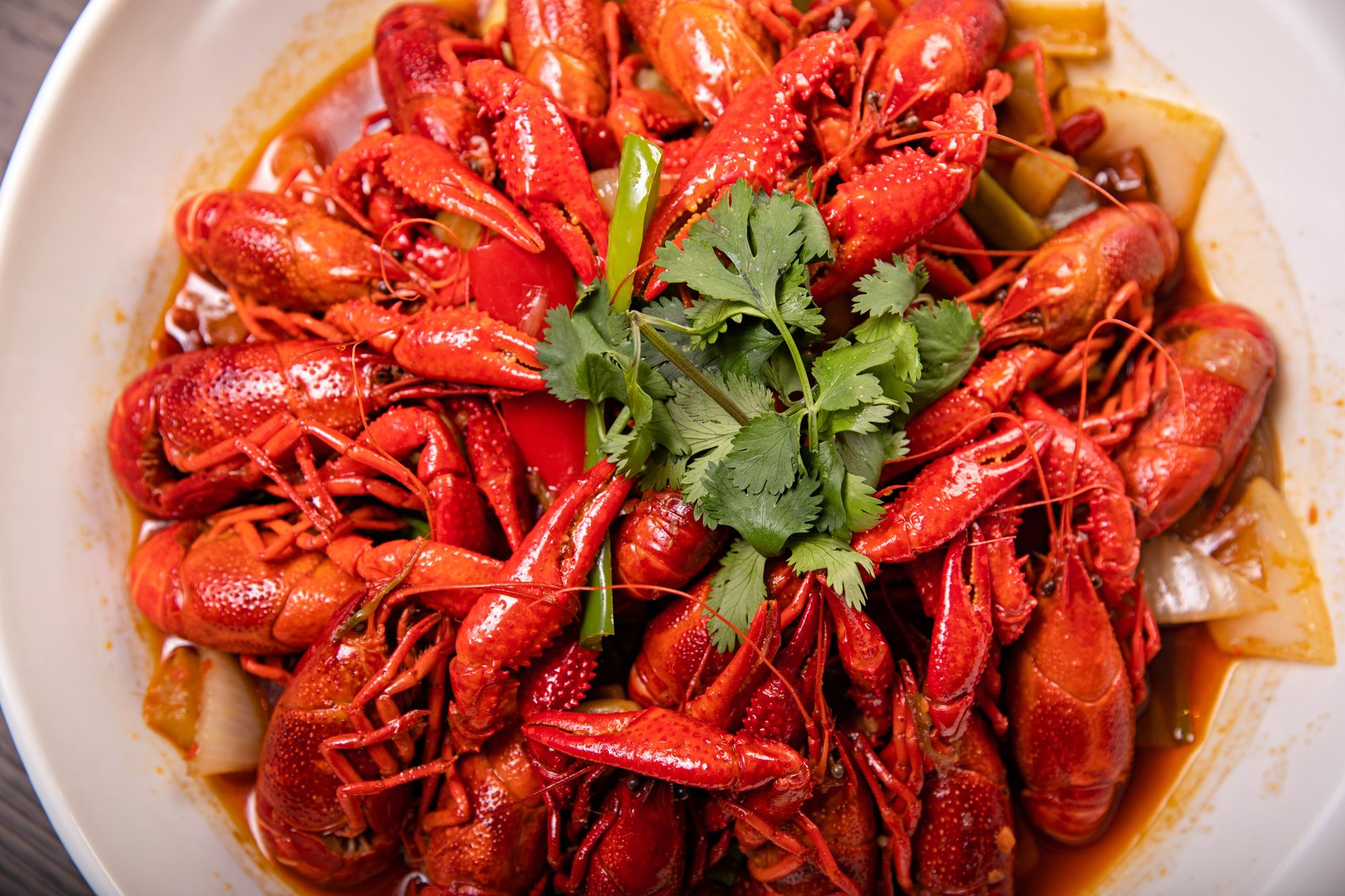
For a casual gathering, the Classic outdoor shrimp boil 5631958 brings seafood, vegetables, and bold seasoning together in one generous spread. It is especially useful when you want a relaxed meal for several people.
Conclusion
Triangles Of Salmon With Spinach Tomato And Seasonal Greens Recipe brings restaurant-style presentation to a practical home kitchen. The key is cooling and drying the spinach before filling, shaping the salmon gently, and checking the thickest portion with a thermometer. The sweet-tangy dressing keeps the plate balanced, while the tomatoes and greens add freshness. If you make it, consider leaving a rating or sharing how your salmon triangles turned out.
FAQs
When is the best time to eat Triangles Of Salmon With Spinach Tomato And Seasonal Greens Recipe?
The best time to eat Triangles Of Salmon With Spinach Tomato And Seasonal Greens Recipe is right after roasting, when the salmon is tender and the spinach filling is warm. It works well as a weeknight dinner for two or as a main course for a small dinner party. The spinach and dressing can be prepared earlier in the day, so the final cooking step takes less time.
Can I prepare the spinach filling and balsamic-orange dressing ahead of time?
Yes, the spinach filling and balsamic-orange dressing can be prepared ahead of time. Cool the spinach mixture, store it in a covered container in the refrigerator, and keep the dressing separate until serving. Shape the salmon shortly before cooking so the edges stay neat and the filling does not dry out.
Why does the salmon cook unevenly or turn dry?
Salmon usually cooks unevenly when it is folded around a thick, deep mold or when the portions vary in thickness. Shape each portion by hand and roast it in a shallow ovenproof dish for more even heat. Check the thickest part with an instant-read thermometer and follow your local food safety guidance for fish, commonly 145°F (63°C).
Can I use different greens or dairy-free margarine in this dish?
Yes, you can swap the seasonal greens for other peppery or slightly bitter leaves such as mizuna, red oak lettuce, frisée, or mâche. A dairy-free margarine can replace the unsalted margarine if you want the dish to be dairy-free. Taste the filling after changing ingredients, since the flavor can shift slightly.
Is Triangles Of Salmon With Spinach Tomato And Seasonal Greens Recipe gluten-free?
Triangles Of Salmon With Spinach Tomato And Seasonal Greens Recipe is naturally gluten-free as written, since it uses salmon, spinach, vegetables, and wine. If you need to avoid cross-contact, choose a certified gluten-free dry white wine and balsamic vinegar. Check all labels, as some processed ingredients may contain gluten.