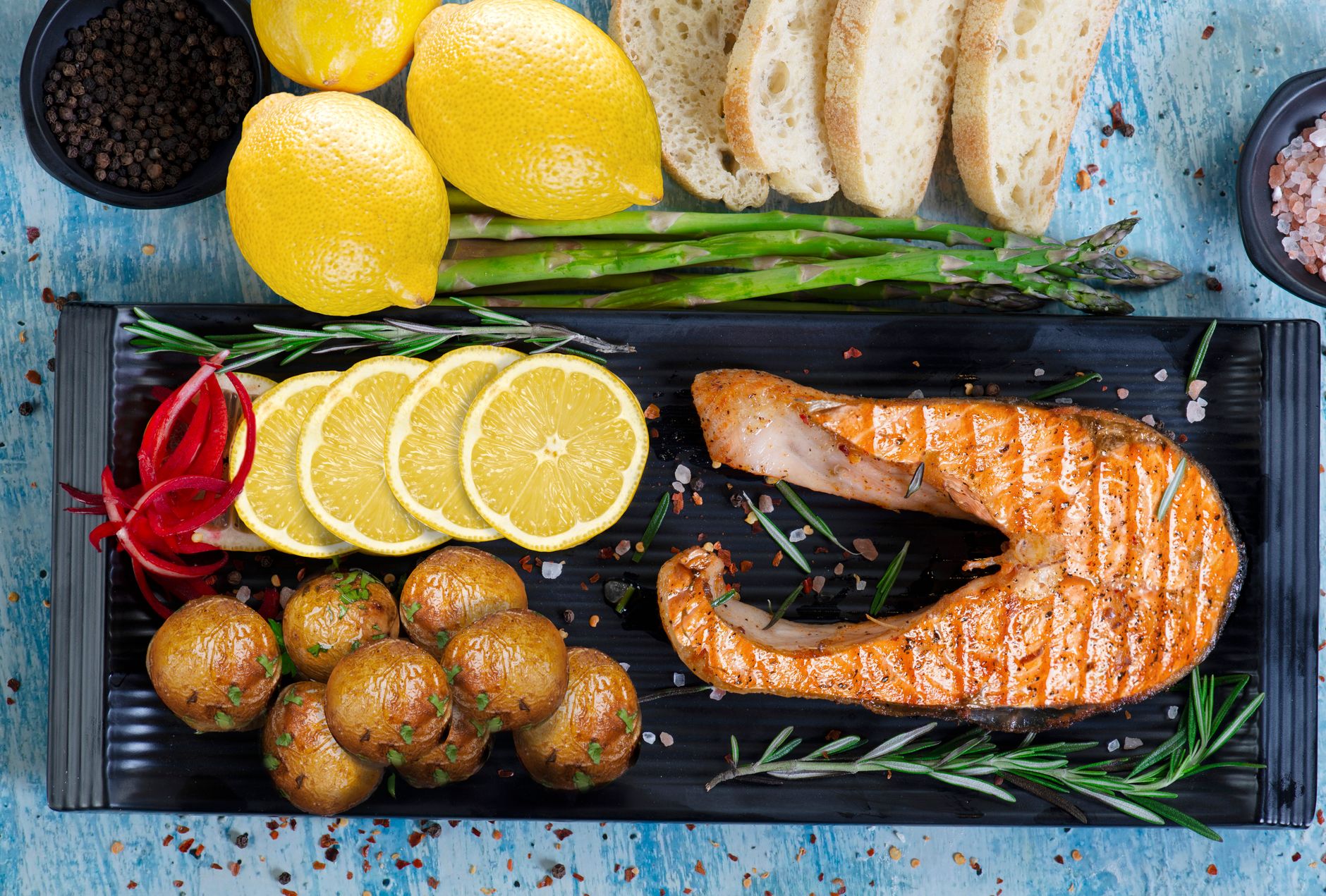
Why Pan-Seared Salmon with No-Fail Hollandaise and Asparagus?
Imagine the sizzle of tender salmon fillets meeting a hot skillet, the skin turning perfectly crispy as the rich aroma fills your kitchen. Topped with a creamy, tangy hollandaise sauce that‘s surprisingly easy to master, paired with vibrant, crisp-tender asparagus—this dish delivers a harmony of textures and flavors that excite your palate without overwhelming your effort. Pan-Seared Salmon with No-Fail Hollandaise and Asparagus is a timeless seafood recipe that brings elegance to any meal, whether it’s a quick weeknight dinner or a special weekend treat.
The combination of perfectly cooked salmon, velvety hollandaise, and fresh asparagus creates a balanced plate bursting with color and flavor. And best of all, this recipe hits right around 30 minutes from start to finish, making it approachable for cooks at all levels.
Health Benefits & Nutrition
Salmon is a nutritional powerhouse, packed with omega-3 fatty acids that support heart and brain health. Studies from the American Heart Association show that regular omega-3 intake can lower blood pressure and reduce inflammation. Asparagus is rich in fiber, vitamins A, C, and K, and antioxidants, which promote digestion and immune function. Adding fresh herbs like chives, dill, and tarragon brings not only vibrant flavor but also additional antioxidants which help combat oxidative stress.
Keep in mind, while salmon is safe and healthy for most people, those with fish allergies should avoid it. Pregnant women should opt for low-mercury salmon options and avoid raw or undercooked varieties. Additionally, the hollandaise sauce contains raw egg yolks; ensure the eggs are fresh and sanitized if serving to vulnerable groups.
Ingredients & Preparation
Recipe Card
| Prep Time | 15 minutes |
|---|---|
| Total Time | 30 minutes |
| Servings | 2 |
| Calories (per serving) | 520 |
| Diet Tags | Gluten-Free, Low Carb, High Protein |
Full Ingredient List
- 2 skin-on salmon fillets, approx. 6 ounces each
- Sea salt, to taste
- Ground white pepper, to taste
- 3 tablespoons safflower or vegetable oil
- 1/2 pound fresh asparagus, trimmed
- 3 large egg yolks
- 1/2 teaspoon Dijon mustard
- Pinch of cayenne pepper
- 1 tablespoon fresh lemon juice, plus extra for seasoning
- 1 tablespoon minced fresh chives, plus extra for garnish
- 1 tablespoon minced fresh dill, plus extra for garnish
- 1 tablespoon minced fresh tarragon, plus extra for garnish
- 1 stick (8 tablespoons) unsalted butter, cubed and at room temperature
Equipment Needed
- Large skillet or frying pan
- Medium saucepan
- Heatproof metal or glass bowl (for hollandaise)
- Whisk
- Tongs or spatula
- Paper towels (for drying asparagus)
- Serving plates
Tips for Choosing Quality Ingredients
- Look for salmon fillets with a vibrant pink color and firm texture. Freshness is key—avoid fish with a strong fishy odor.
- Choose firm asparagus stalks with tightly closed tips and bright green or purple hues.
- Use fresh herbs picked recently for a more intense, bright flavor.
- Opt for organic, pasture-raised eggs for the hollandaise sauce to ensure safety and superior taste.
- Unsalted butter should be creamy and at room temperature for easy incorporation in the sauce.
Step-by-Step Instructions
Step 1: Prepare the Asparagus (2 Minutes)
Bring a medium saucepan of salted water to a rolling boil. Add the trimmed asparagus and cook for exactly 2 minutes until bright green and just tender-crisp. Drain and transfer asparagus to a paper towel-lined plate to absorb excess moisture.
Step 2: Pan-Sear the Salmon (10 Minutes)
Season the salmon fillets with sea salt and ground white pepper on both sides. Heat the vegetable oil in a large skillet over medium-high heat for about 2 minutes, until shimmering. Place the salmon skin-side up first and cook for 4 minutes without moving. Flip the fillets so the skin is down and cook for an additional 6 minutes until the skin is crispy and the salmon is cooked just beyond medium-rare.
Step 3: Start the Hollandaise Sauce (5 Minutes)
Fill a small saucepan with a couple inches of water and bring to a gentle simmer. In a heatproof bowl, whisk 3 large egg yolks, ½ teaspoon Dijon mustard, a pinch of cayenne pepper, 1 tablespoon lemon juice, and 1 tablespoon each of minced chives, dill, and tarragon. Place the bowl over the simmering water, making sure the bowl does not touch the water. Whisk vigorously until the mixture thickens and is warm, about 2 minutes.
Step 4: Incorporate Butter into the Sauce (3 Minutes)
Slowly add the cubed butter in small batches to the egg yolk mixture, whisking continuously to create a smooth, creamy hollandaise. This process should take about 3 minutes. Adjust seasoning with sea salt and white pepper to taste.
Step 5: Plate and Garnish (2 Minutes)
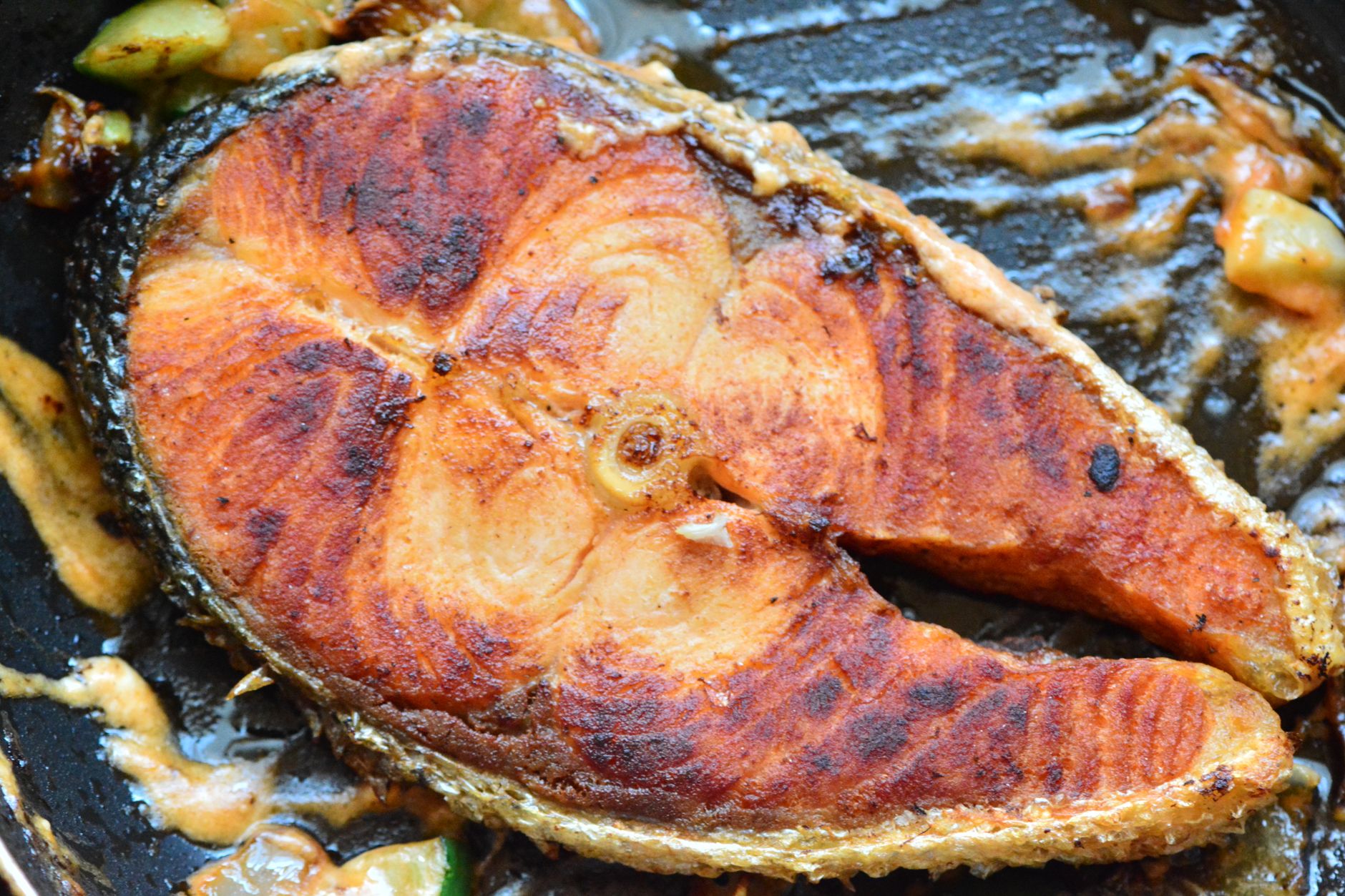
Arrange the cooked salmon fillets and asparagus on serving plates. Spoon the hollandaise generously over the salmon and asparagus. Garnish with remaining minced fresh herbs and a light squeeze of lemon juice for a fresh finish.
Variations & Substitutions
- Alternative Fish: Substitute salmon with trout or Arctic char for a similar flavor and texture experience.
- Green Vegetables: Swap asparagus for green beans or broccolini if you want a different but equally fresh vegetable side.
- Herb Changes: Use fresh basil or parsley instead of tarragon and dill to create a unique herb profile in the hollandaise.
- Dairy-Free Hollandaise: Replace butter with vegan butter or olive oil-based substitutes for a dairy-free version, though flavor and texture will differ slightly.
Storage & Shelf Life
Refrigeration: Store leftover salmon and asparagus in airtight containers for up to 2 days. Hollandaise sauce should be refrigerated separately in a sealed jar and used within one day to maintain freshness and prevent food safety risks.
Freezing: It’s best not to freeze hollandaise sauce as it may separate and lose texture upon reheating. Salmon and asparagus can be frozen, though texture changes might occur. If freezing salmon, wrap it tightly and use within one month.
Signs of Spoilage: Discard any leftovers with off smells, slimy texture, or discoloration. For sauces, separation or curdling signals spoilage or improper storage.
Pro Tips for the Perfect Dish
- Pat your salmon dry before seasoning to ensure a golden crispy skin.
- Keep the hollandaise sauce warm by placing the bowl above warm (not boiling) water, whisking gently to maintain its creamy texture.
- Use fresh herbs finely minced to release their aroma fully into the sauce.
- When cooking asparagus, shock it in ice water after boiling to maintain vivid green color if preparing ahead.
- Be patient during whisking to prevent the egg yolks from scrambling; adjust heat by removing the bowl from the simmer if it gets too hot.
When is the best time to eat Pan Seared Salmon with No-Fail Hollandaise and Asparagus?
This dish shines as a satisfying lunch or a refined dinner option. It’s particularly delightful for weekend meals when you have time to savor a homemade, restaurant-quality meal. The richness of the hollandaise pairs beautifully with the lightness of salmon and asparagus, balancing indulgence and freshness perfectly.
Can I prepare the hollandaise sauce in advance?
Hollandaise sauce is best served fresh to preserve its creamy texture. You can prepare it up to an hour ahead by keeping it warm over a bowl of warm water. Reheating later may cause it to separate or curdle, impacting taste and texture.
What type of salmon is ideal for this recipe?
Wild-caught salmon is the preferred choice due to its richer flavor and firmness, but high-quality farm-raised salmon also works well. Ensure the fillets are thick and skin-on for the best sear and to maintain moisture.
Is there a way to make this recipe quicker?
Speed up the process by trimming asparagus and seasoning salmon ahead of time. Additionally, controlling stovetop heat carefully shortens cooking time while maintaining quality. However, rushing the hollandaise can lead to separation, so maintain gentle heat.
Can I use frozen salmon fillets?
Yes, but thaw completely overnight in the refrigerator and pat dry before cooking to avoid excess moisture that inhibits browning and crisping.
How do I know when the salmon is cooked perfectly?
Cook salmon until it flakes easily with a fork but remains moist inside, just past medium-rare. The skin should be golden and crisp to provide a delightful texture contrast.
Are there any common mistakes to avoid with hollandaise sauce?
The most common mistake is overheating the eggs, causing curdling. Maintain gentle whisking over simmering water and remove from heat if the temperature rises too much. Gradual incorporation of warm butter helps create a silky emulsion.
What sides pair well beyond asparagus?
Roasted baby potatoes, a light salad, or creamy cauliflower rice work beautifully alongside this salmon dish. For a Cajun twist, try the Creole redfish court bouillon recipe or the flavorful Shrimp fried cauliflower rice for inspired seafood sides.
More Recipes You Will Love
If you enjoy the bright flavors and freshness of this Pan-Seared Salmon with No-Fail Hollandaise and Asparagus, you might love exploring other seafood dishes that combine simple techniques with bold tastes. Try a Creole redfish court bouillon recipe for a spicy, comforting stew with rich regional character. Or, if you prefer a quick yet satisfying low-carb option, the Shrimp fried cauliflower rice delivers both texture and tang in every bite.
Seafood offers so many ways to enjoy delicate flavors paired with fresh herbs and vegetables. These recipes keep your kitchen exciting while supporting your desire for wholesome, satisfying meals.
Conclusion
Cooking Pan-Seared Salmon with No-Fail Hollandaise and Asparagus lets you enjoy a meal that’s both elegant and approachable. With a crispy skin, tender flesh, and creamy, herbaceous sauce, this recipe hits all the right notes without complicated steps. The vibrant asparagus balances the plate, making it a standout seafood option you can call your own.
Give this recipe a try and share your results below. Your tips or tweaks are always welcome, and if you find new creative variations, we’d love to hear about them!
FAQs
When is the best time to eat Pan Seared Salmon With No Fail Hollandaise And Asparagus?
This dish is ideal for dinner, offering a nutritious and elegant meal perfect for weeknights or special occasions. It can also be enjoyed for lunch when you want a light yet fulfilling seafood option.
How do you ensure the salmon skin is crispy when pan-searing?
Pat the salmon skin dry with paper towels before cooking and use a hot skillet with oil. Press the fillets firmly to the pan for the first few minutes and avoid moving them to develop a crispy, golden skin.
Can the hollandaise sauce be made ahead of time?
Hollandaise sauce is best served fresh for optimal texture and flavor. However, it can be made shortly before serving and kept warm over a double boiler for a short time without curdling.
What are good substitutions for asparagus in this recipe?
You can substitute asparagus with green beans, broccolini, or sautéed spinach for similar texture and flavor that pairs well with salmon and hollandaise sauce.
Is this recipe suitable for people with dietary restrictions?
This recipe is gluten-free, low carb, and high protein, making it suitable for many diets. However, those allergic to fish or eggs should avoid it due to the salmon and hollandaise ingredients.