Why Homemade Peanut Butter is Worth Every Spoonful
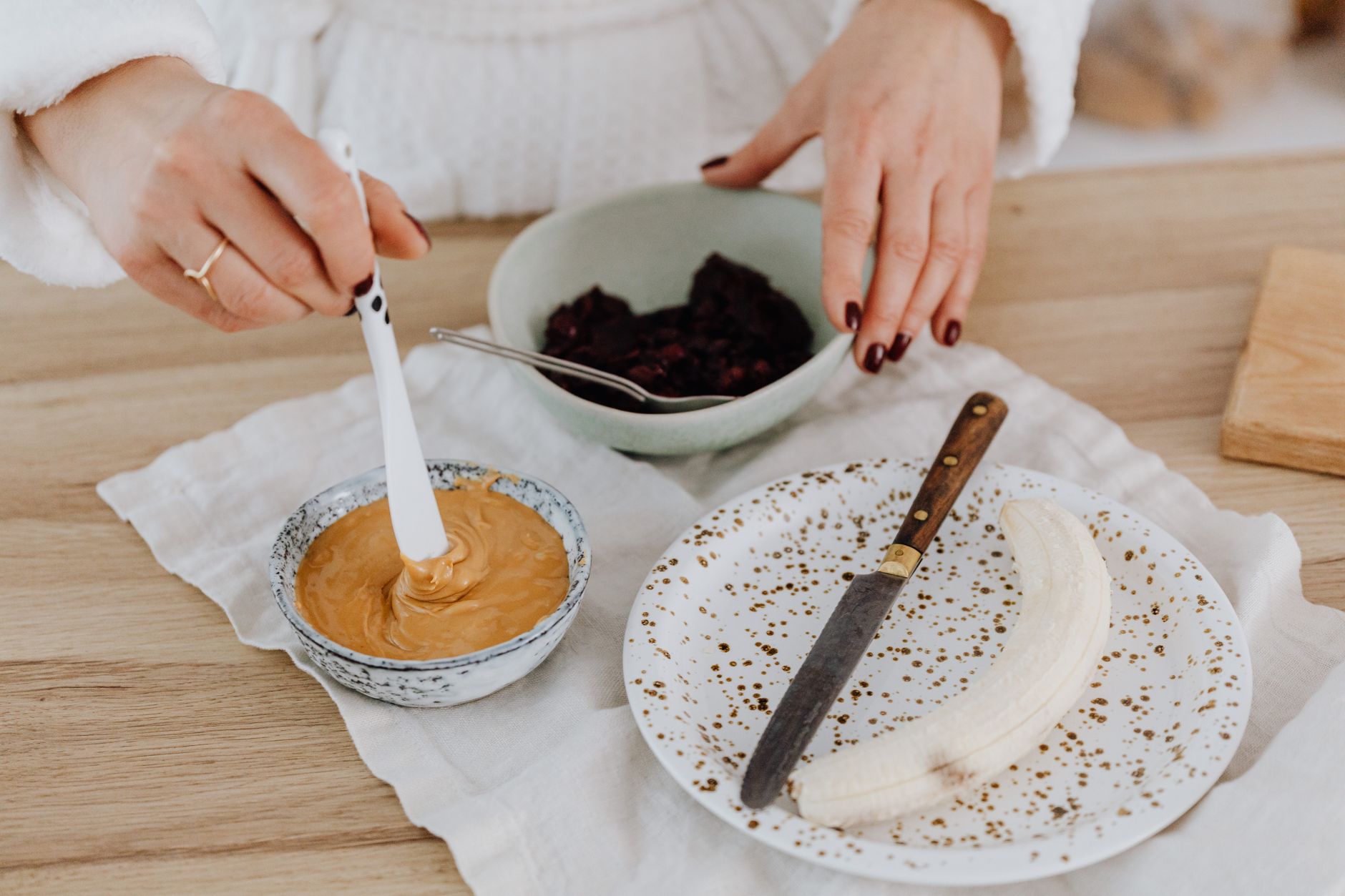
Imagine the warm aroma of freshly roasted peanuts filling your kitchen as you whip up a batch of creamy, homemade peanut butter. Unlike the processed store-bought kind, making peanut butter from scratch lets you control every ingredient, ensuring a pure, rich taste with no unwanted additives. Homemade peanut butter bursts with earthy flavors and silky texture that you can tailor to your preference, whether chunky or smooth. This natural alternative satisfies cravings while bringing the satisfaction of crafting a classic favorite right in your own home. Making your own peanut butter is easier than you think, and once you try it, store-bought jars might just stay on the shelf.
Health Benefits & Nutrition of Peanut Butter
Homemade peanut butter isn‘t just delicious, it also offers impressive health perks. Peanuts are rich in heart-healthy monounsaturated fats, which can help lower bad cholesterol levels (American Heart Association). They provide a good dose of plant-based protein, essential for muscle repair and satiety, with about 5 grams per serving. Peanuts are also a source of dietary fiber, promoting digestive health and steady blood sugar levels. Plus, they contain antioxidants like vitamin E, which protects cells from damage. However, if you have a peanut allergy, homemade peanut butter is off-limits. Pregnant individuals or those on blood-thinning medications should consult their doctor before increasing peanut intake due to vitamin K content.
Ingredients & Preparation
Recipe Card
| Prep Time | 5 minutes |
|---|---|
| Total Time | 10 minutes (including roasting) |
| Servings | Approximately 1½ cups |
| Calories per Serving | 109 |
| Diet Tags | Gluten-Free, Vegetarian, Vegan (if honey omitted) |
Full Ingredient List
- 15 ounces roasted, shelled, and skinned peanuts (see roasting instructions)
- 1 teaspoon kosher salt
- 1 ½ teaspoons honey (optional for a touch of sweetness)
- 1 ½ tablespoons peanut oil (or neutral oil like grapeseed)
Equipment Needed
- Food processor or high-speed blender
- Baking sheet or half-sheet pans
- Mixing bowl
- Salad spinner (for removing peanut skins)
- Airtight container for storage
Tips for Choosing Quality Ingredients
Select raw, fresh peanuts without cracks or moldy spots. Spanish peanuts with higher oil content work best for smooth peanut butter. Always choose high-quality, fresh peanut oil or another light-flavored oil to enhance creaminess without overpowering the peanut flavor. For a healthier option, look for organic peanuts and unrefined oils. If you prefer your peanut butter sweeter or saltier, adjust honey and salt accordingly after tasting your first batch.
Step-by-Step Instructions
Step 1: Roast the Peanuts (30–35 minutes at 350°F)
Preheat your oven to 350°F (175°C). Rinse 2 pounds of raw, in-shell peanuts under cold water to remove dirt. Pat them dry and toss in a bowl with 2 tablespoons peanut oil and 1 to 2 tablespoons kosher salt, ensuring an even coating. Spread the peanuts in a single layer on two half-sheet pans. Roast for 30 to 35 minutes, rotating pans halfway through for even cooking. Let cool slightly; the peanuts will crisp up as they rest.
Step 2: Shell and Skin the Peanuts (10 minutes)
Remove the shells and discard. To remove the reddish skin, place peanuts in your hands over a salad spinner and rub them gently to loosen the skins. Close the spinner and spin until the skins separate from the peanuts. Discard skins for a smoother paste.
Step 3: Blend Peanuts with Salt and Honey (1 minute processing)
Place 15 ounces of skinned peanuts, 1 teaspoon kosher salt, and 1 ½ teaspoons honey into your food processor. Process on medium-high for 1 minute, scraping the sides down as needed.
Step 4: Add Oil Slowly and Blend Until Smooth (1½ to 2 minutes)
With the processor running, slowly drizzle in 1 ½ tablespoons of peanut oil. Continue blending until the mixture reaches your desired creamy consistency, around 1½ to 2 minutes. Adjust texture by adding more oil, a teaspoon at a time, if needed.
Step 5: Store in an Airtight Container
Transfer your fresh homemade peanut butter into a clean jar. Seal tightly and refrigerate. It will keep for up to 2 months but tastes best within the first few weeks for maximum freshness.
Variations & Substitutions
- Chunky Peanut Butter: Reserve ¼ cup of chopped roasted peanuts and stir into your finished blend for added crunch.
- Honey-Free & Vegan: Replace honey with pure maple syrup or simply omit it for a natural nutty flavor.
- Spiced Peanut Butter: Add a pinch of cinnamon, cayenne pepper, or vanilla extract while blending for subtle warmth or sweetness.
- Oil Alternatives: Use avocado oil or light olive oil instead of peanut oil for a different flavor profile without compromising creaminess.
Storage & Shelf Life
Fresh homemade peanut butter stores best in the refrigerator, lasting up to 2 months. Keep it sealed tightly to prevent air exposure and moisture buildup. Unlike commercial peanut butter, homemade versions lack preservatives, so watch for changes in color, smell, or taste—signs of rancidity. For longer storage, freeze peanut butter in an airtight container for up to 6 months. When ready to use, thaw overnight in the fridge and stir well before serving.
Pro Tips for Perfect Homemade Peanut Butter Every Time
- Control Texture: For ultra-smooth peanut butter, blend for longer and gradually add oil. For chunkier, pulse 2–3 times with chopped peanuts just before ending.
- Enhance Flavor: Toast your peanuts to a golden brown to unlock deeper nutty aromas. Be careful not to burn, as it adds bitterness.
- Prevent Staining: To avoid food processor bowls staining, clean immediately after use and soak with baking soda paste if needed.
- Balance Salt & Sweetness: Taste test during blending, adding salt or honey in small increments to suit your palate perfectly.
When is the best time to eat Homemade Peanut Butter Recipe?
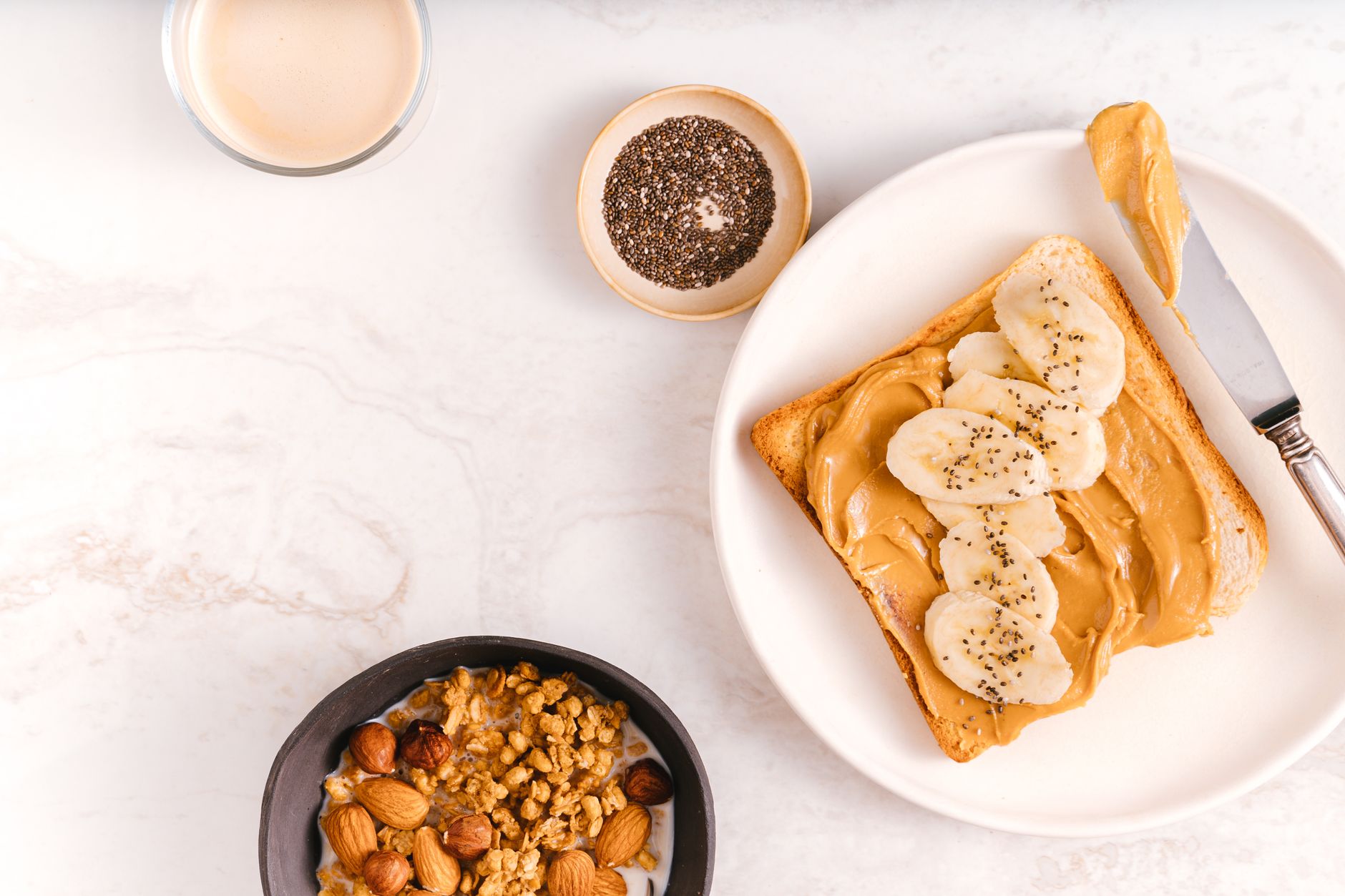
The best time to enjoy homemade peanut butter is any time you crave a creamy, satisfying snack. Spread it on toast for breakfast, add it to smoothies for a protein boost, or enjoy a spoonful as an energy-packed treat before workouts. Its natural fats and protein provide lasting energy throughout the day.
Can I use any kind of peanuts for this recipe?
While you can use many peanut types, Spanish peanuts are ideal for peanut butter because of their higher oil content, which helps create a creamier texture. Virginia or Valencia peanuts are better suited for snacking directly out of the shell due to their crunch.
Is homemade peanut butter healthier than store-bought?
Yes, homemade peanut butter generally contains no added sugars, preservatives, or hydrogenated oils often found in commercial brands. You control the ingredients, making it a cleaner, healthier option.
Can I make this recipe without honey?
Absolutely! You can omit honey for a purely nutty flavor or replace it with alternatives like maple syrup or agave nectar, adjusting to your sweetness preference.
Does homemade peanut butter need refrigeration?
Because it lacks preservatives, refrigeration is recommended to maintain freshness and prevent oil separation. Store it in an airtight jar and stir well before use.
Can I use a blender instead of a food processor?
A high-powered blender can work but may require more frequent scraping and shorter blending intervals to avoid overheating. A food processor offers better texture control and ease.
How do I remove peanut skins easily?
After roasting, rub the peanuts between your hands over a salad spinner. Spinning will separate the loose skins from the nuts, making skin removal quick and mess-free.
More Recipes You Will Love
If you enjoy authentic homemade recipes like this peanut butter, try our Cheese stuffed arepas for a cheesy, flavorful twist on a classic Latin American staple. For those managing health, our insights on Can diabetics eat pasta sauce provide helpful guidance and tasty ideas to complement your homemade peanut butter snacks.
Conclusion
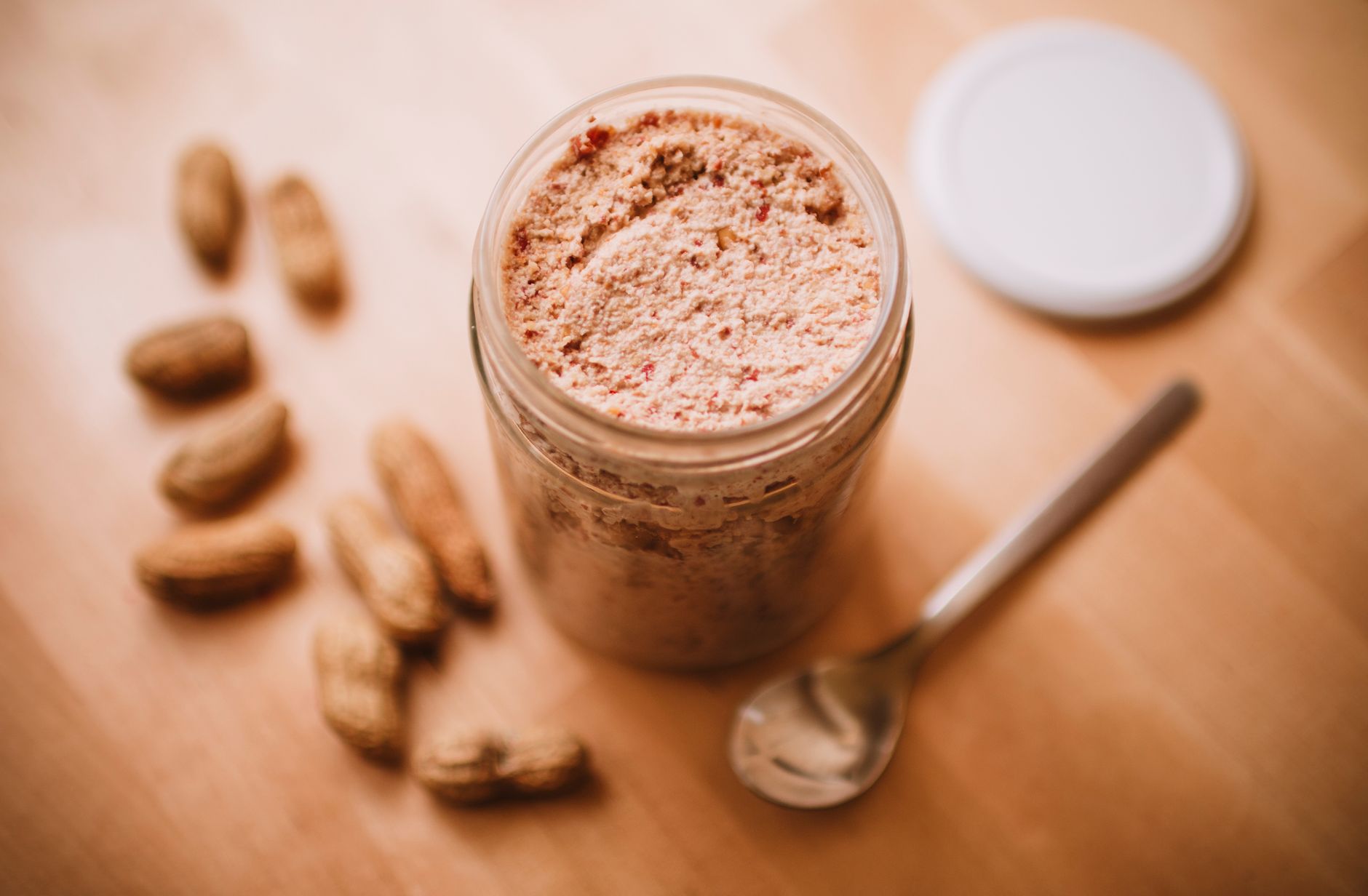
Making your own homemade peanut butter is a simple, rewarding way to enjoy a creamy, flavorful spread free from unwanted additives. With just a handful of quality peanuts, a pinch of salt, a touch of honey, and oil, you can create a golden jar of nutty goodness perfect for all your snacking needs. Give this recipe a try, and share your experience or favorite variations in the comments below. Your perfect batch of homemade peanut butter awaits!
FAQs
When is the best time to eat Homemade Peanut Butter Recipe?
Homemade peanut butter is great any time of day. It works well as a protein-rich breakfast spread, a quick snack, or a wholesome addition to lunch or dinner recipes, providing natural energy and nutrition.
Can I customize the texture of Homemade Peanut Butter Recipe?
Yes! You can blend it for a shorter time for chunky peanut butter or longer for a smooth, creamy texture. Adjust the oil and salt amounts to suit your taste and desired consistency.
How should Homemade Peanut Butter Recipe be stored?
Store your homemade peanut butter in an airtight container in the refrigerator. This helps maintain freshness and extends shelf life for up to several weeks while preserving flavor and creaminess.
Is Homemade Peanut Butter Recipe healthier than store-bought versions?
Generally, yes. Homemade peanut butter contains no added preservatives, unhealthy fats, or excessive sugars, allowing you full control over ingredients for a cleaner, more natural option.
What if I’m allergic to peanuts but want a similar recipe?
If you have a peanut allergy, avoid homemade peanut butter entirely. Instead, consider recipes using other nuts or seeds like almonds, cashews, or sunflower seeds if safe for you.