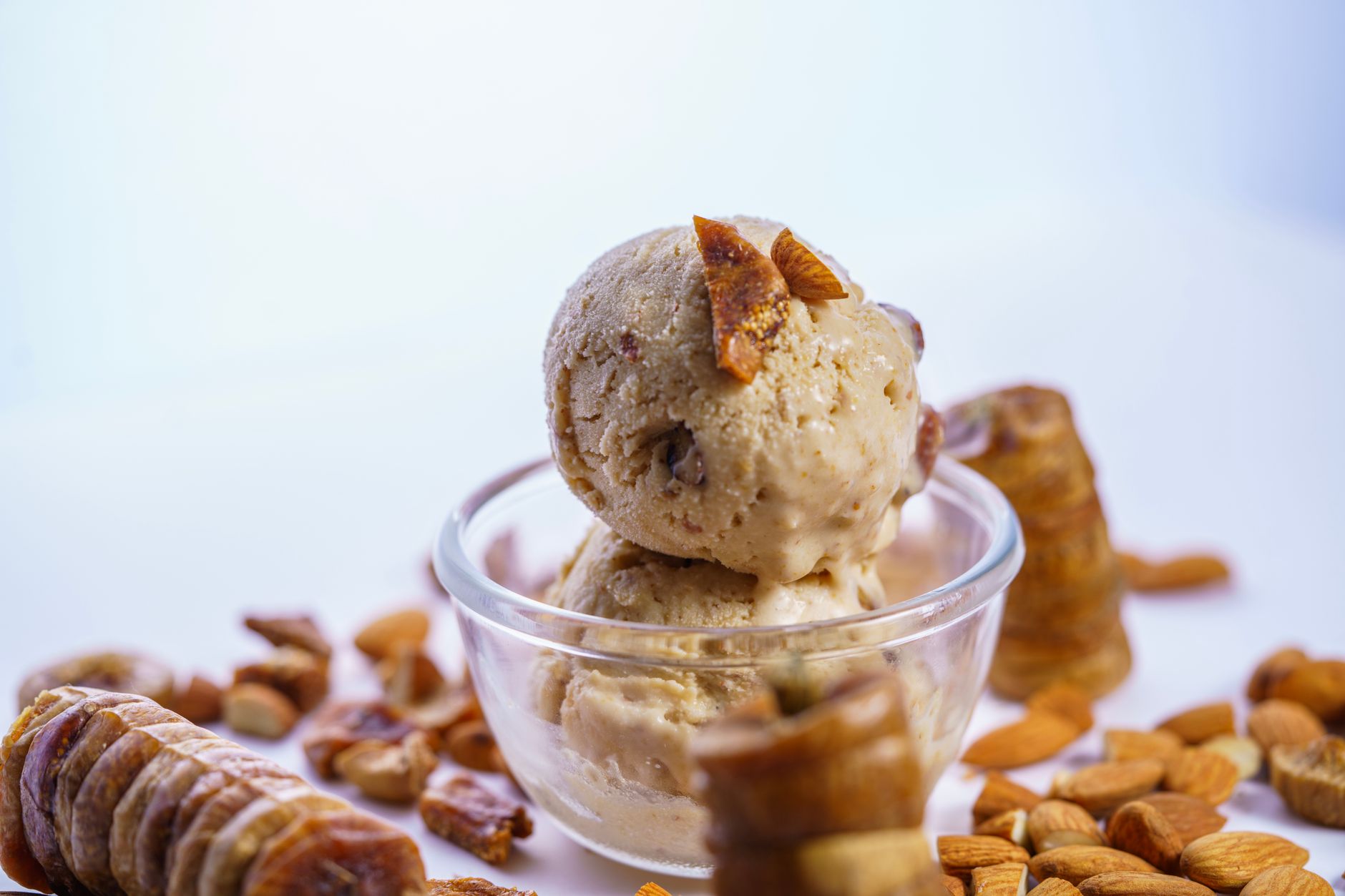
Have you ever made homemade ice cream only to end up with a rock-hard or icy mess? That familiar frustration is what led me to try a simple yet delicious method using condensed milk and evaporated milk. This combo guarantees incredibly creamy, smooth results without fancy equipment. And the best part? You dont need to churn or fuss over freezing temperatures. If you want rich, homemade ice cream with condensed milk and evaporated milk thats fuss-free and absolutely delightful, this recipe is your new best friend.
Why This Recipe Works
What makes condensed milk and evaporated milk a perfect ice cream base?
Condensed milk is thick, sweet, and creamy, packed with sugar and fat, which helps create that luscious texture you crave in ice cream. Evaporated milk, on the other hand, has water removed but no added sugar, lending richness without overwhelming sweetness. When combined, these two milks mimic much of the richness you‘d get from heavy cream and sugar but keep the recipe simpler. The sugar and fat balance keeps ice crystals small during freezing, giving your ice cream that velvety smoothness often missing in lighter or no-churn recipes.
This blend also eliminates the need to make a custard or cook your base, making it foolproof and accessible for all skill levels.
How this recipe simplifies traditional ice cream without sacrificing creaminess
Traditional ice creams often require custard-making and specialized churning. This recipe cuts out all of that by relying on the natural properties of condensed and evaporated milk. The sugars in condensed milk act as a natural antifreeze, reducing ice crystals‘ size. Evaporated milk adds the creamy mouthfeel needed without heavy cream. You skip heating or tempering eggs, and theres no stirring needed during freezing.
Common ice cream mistakes avoided using this method
- Over-churning that creates a grainy texture
- Not enough sugar leading to icy, hard ice cream
- Complex steps that intimidate home cooks
- Use of low-fat ingredients that dry out the final product
The combination of condensed milk and evaporated milk sidesteps all these issues.
Ingredients Overview
| Prep time | Total time | Servings | Calories | Diet tags |
|---|---|---|---|---|
| 10 minutes | 6 hours (freezing) | 6 | 290 kcal per serving | Vegetarian |
Key ingredients explained
- Sweetened condensed milk: Supplies sweetness and creamy body. Its syrupy texture slows ice crystallization.
- Evaporated milk: Adds richness without extra sugar, balancing the sweetness and enriching flavor.
- Heavy cream or whipping cream: Whipped to light peaks to add volume and lightness.
- Vanilla extract: For classic flavor depth. Pure extract is best for aroma and clean profile.
Possible substitutions and swaps
| Ingredient | Substitution | Notes |
|---|---|---|
| Sweetened condensed milk | Coconut condensed milk | Use for dairy-free or vegan option; changes flavor and texture slightly |
| Evaporated milk | Canned whole milk | Lacks thickness; may result in icier texture |
| Heavy cream | Coconut cream | For dairy-free; whip cold, but texture may be less stable |
Where to find quality condensed and evaporated milk
Most supermarkets carry sweetened condensed milk in the baking aisle near canned milks. Look for trusted brands that dont add unnecessary stabilizers. Evaporated milk is often found alongside condensed milk or shelf-stable milk products in cans. Store unopened cans in a cool, dry place. Once opened, transfer to airtight containers and refrigerate promptly.
Should you use whole milk or cream with this recipe?
While the recipe works without cream, adding heavy cream whipped to soft peaks creates a lighter texture and more classic ice cream mouthfeel. Using whole milk or evaporated milk alone may yield denser, less creamy ice cream. Combining evaporated milk with whipped cream gives the perfect balance between richness and airiness.
Optional flavor and texture add-ins like crushed cookies, fruit swirls, or chocolate chips work beautifully too.
Step-by-Step Instructions
Preparing the base
Start by pouring 1 cup of sweetened condensed milk and 1 cup of evaporated milk into a large mixing bowl. Stir gently until fully combined but avoid whipping at this stage. Add 1 teaspoon of vanilla extract for flavor. This mixture forms your rich, creamy base.
Whipping the cream
In a separate chilled bowl, whip 2 cups of heavy cream with an electric mixer on medium speed for exactly 3 minutes until soft peaks form. Dont overbeat - you want clouds of whipped cream that hold shape but remain fluffy. This whipped cream folds air into your ice cream, crucial for texture.
Combining mixtures
Gently fold the condensed/evaporated milk mixture into the whipped cream using a spatula. Use slow, large strokes to keep air trapped. This should take around 12 minutes of gentle folding. Avoid vigorous stirring which deflates the cream, making ice cream dense.
Freezing
Transfer the combined mixture into a freezer-safe container with a lid or wrap tightly with plastic wrap. Freeze for at least 6 hours, ideally overnight. Do not stir during freezing. The mixture will firm into a scoopable, creamy ice cream.
Serving
Remove ice cream from the freezer 5 minutes before serving to soften slightly for easy scooping.

Recipe Variations
Dairy-free and vegan alternatives
You can swap sweetened condensed milk with coconut condensed milk and evaporated milk with coconut milk or almond milk, but expect a subtle coconut or nutty flavor. Whip chilled coconut cream in place of heavy cream to maintain texture. The result is less traditional but still smooth and creamy.
Low-carb or sugar-free options
Due to the reliance on sweetened condensed milk for smoothness and sweetness, low-carb versions are tricky. Sugar-free condensed milk alternatives exist, but some may alter texture or taste. Adding a sugar substitute with a thickener like xanthan gum could help but may require experimentation.
Flavor additions
- Fold in cup chopped fresh strawberries or mangoes before freezing for fruity ribbons.
- Add cup mini chocolate chips or crushed cookies for texture contrast.
- Swirl in 2 tablespoons of homemade caramel or chocolate sauce for richness.
- Mix 1 teaspoon espresso powder with the condensed milk base for a coffee twist.

Serving Suggestions
This creamy ice cream pairs well with fresh berries, a drizzle of honey, or crushed nuts for crunch. For a classic summer treat, serve alongside warm pie or a slice of fruit tart. Elevate it with espresso or chocolate sauce drizzled on top for an indulgent finish.
Thinking of a casual gathering? Scoop the ice cream onto freshly baked waffle cones or sandwich between homemade cookies for an easy handheld dessert.
Storage and Make-Ahead Tips
Store ice cream in an airtight container in the freezer to prevent ice crystals. Homemade ice cream with condensed milk and evaporated milk keeps best for up to 2 weeks when stored properly. Beyond that, texture begins to degrade.
If ice cream becomes too hard, leave it at room temperature for 510 minutes before scooping. Avoid reheating or microwaving as this breaks down the texture.
You can make this ice cream up to 2 days in advance for parties or gatherings. Just freeze it fully and keep it tightly sealed until ready to serve.
Troubleshooting and Pro Tips
Why did my ice cream turn out icy or too hard?
Inadequate mixing or insufficient fat content can cause large ice crystals. Make sure to whip the cream properly and fold it gently into the milks. Also, avoid low-fat milks or skimping on condensed milks sugar content.
How to fix separation or grainy texture issues
If your ice cream separates during freezing, its usually from over-mixing or using unmixed ingredients. Whip cream to soft peaks, fold carefully, and freeze immediately. Graininess improves with freezing times and proper ingredient ratios.
Is it normal if ice cream looks less glossy than store-bought?
Yes. Homemade ice cream without additives doesnt have the same shiny surface as commercial products. Focus on texture and flavor rather than glossy appearance.
Tips for smooth scooping
Let ice cream sit 510 minutes at room temperature before scooping. Use a warm ice cream scoop dipped in hot water to glide through easily.
For extra creaminess, try this variation: swap half the evaporated milk for heavy cream if you want to experiment with richer textures. Or add a pinch of salt to enhance sweetness and depth.
More Recipes to Try
If you enjoy this no-churn recipe, check out homemade ice cream with condensed milk for another delicious variation. For savory inspiration between treats, the Blue rugula burgers recipe 1913677 might become a family favorite.
When is the best time to eat homemade ice cream with condensed milk and evaporated milk?
The best time is after allowing at least 6 hours of freezing for a firm yet creamy texture. This ice cream is perfect for warm afternoons or as a refreshing dessert after dinner. Enjoy slightly softened for the best flavor release and easy scooping.
Can I make this ice cream without an ice cream maker?
Absolutely. This recipe is designed for a no-churn approach. By folding whipped cream into condensed and evaporated milk, you trap air and prevent large ice crystals, giving creamy results directly from the freezer without any machine.
Whats the difference between sweetened condensed milk and evaporated milk in this recipe?
Sweetened condensed milk provides sugar and thick, syrupy texture, creating sweetness and smoothness. Evaporated milk adds richness without additional sugar. Together, they balance flavor and texture perfectly.
Can I use canned whole milk instead of evaporated milk?
You can, but canned whole milk contains more water and less concentration. This may lead to icier texture and less creaminess. Evaporated milks reduced water content is key in achieving smooth consistency.
How does this recipe compare to traditional custard-based ice cream?
This no-cook method skips the egg custard step, saving time and effort. While custard ice creams tend to be richer and silkier, this recipe offers comparable creaminess with easier preparation.
Is this recipe suitable for diabetic or low-sugar diets?
This recipe contains sweetened condensed milk, so its naturally high in sugar and not ideal for strict low-sugar or diabetic diets. Modifications would require sugar substitutes but might affect texture.
Can I add mix-ins like fruit or nuts?
Yes! Fold in finely chopped nuts, fresh fruit pieces, or chocolate chips just before transferring the mixture to the freezer to add texture and flavor.
Conclusion
Making homemade ice cream with condensed milk and evaporated milk means you can enjoy creamy, luscious dessert with minimal fuss and no machine needed. The rich texture combined with simple ingredients makes it a dependable recipe for every season. Try it out, save it for hot days, and share how you customize ityour comments and ratings are always welcome!
FAQs
When is the best time to eat homemade ice cream with condensed milk and evaporated milk?
The best time to enjoy this ice cream is after freezing it for at least 6 hours, so it firms up yet remains creamy. It’s perfect for warm afternoons or as a refreshing dessert, served slightly softened for easy scooping and best flavor.
Can I make this ice cream without an ice cream maker?
Yes, this recipe is designed as a no-churn method. Folding whipped cream into condensed and evaporated milk traps air and prevents large ice crystals, creating creamy ice cream without any special machine.
What’s the difference between sweetened condensed milk and evaporated milk in this recipe?
Sweetened condensed milk adds sweetness and thick, syrupy texture, slowing ice crystal formation. Evaporated milk contributes richness without additional sugar, balancing flavor and ensuring smooth, creamy texture.
Can I use canned whole milk instead of evaporated milk?
You can substitute canned whole milk, but it contains more water and less concentration, which may result in icier, less creamy ice cream. Evaporated milk’s reduced water content is key to the smooth consistency.
Is this recipe suitable for diabetic or low-sugar diets?
This recipe uses sweetened condensed milk, making it naturally high in sugar. It’s not ideal for strict low-sugar or diabetic diets; sugar substitutes may be used but could affect texture and taste.