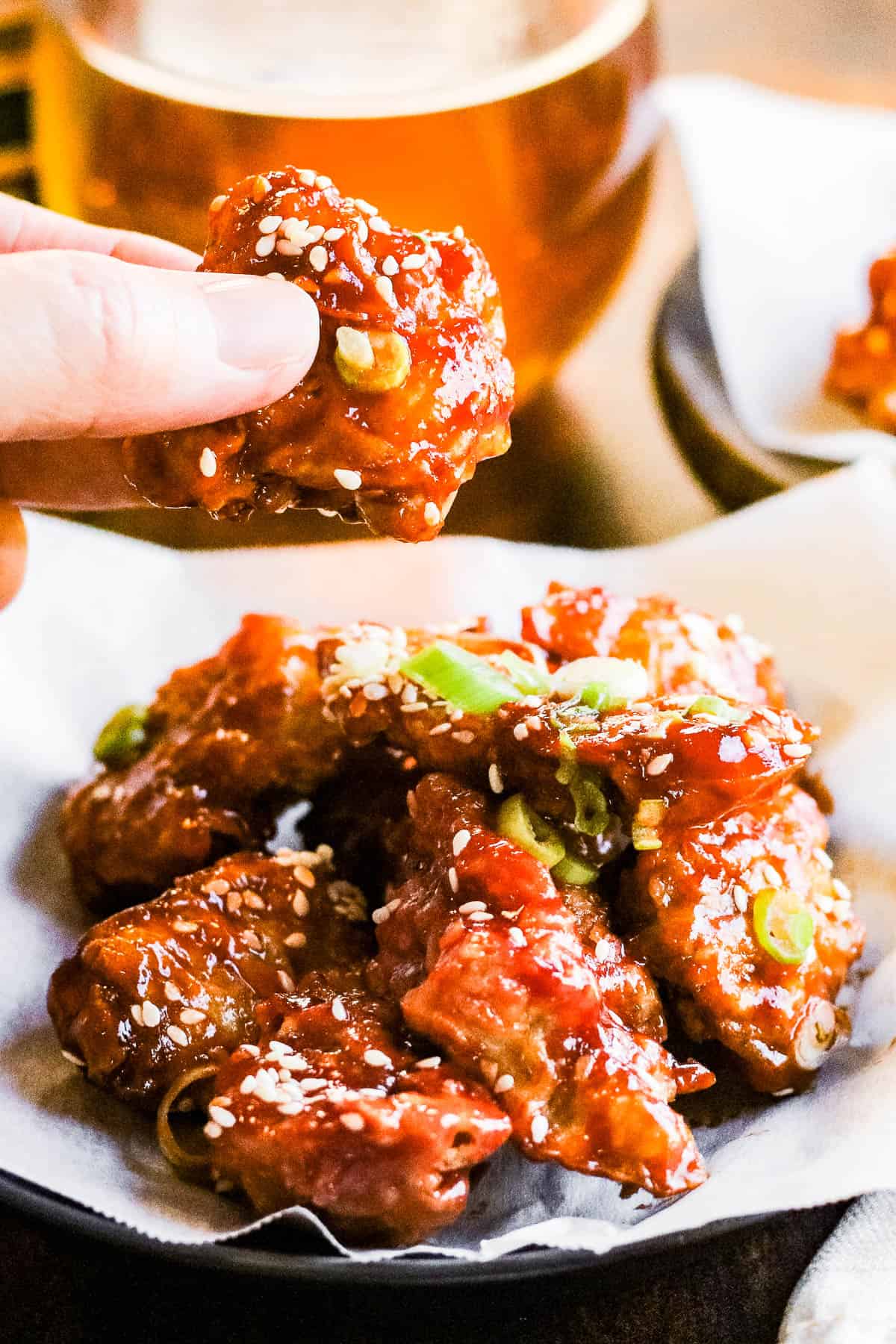
Looking for a quick, mouthwatering dinner that feels a little exotic without any fuss? Mix gochujang, garlic, honey, and soy, toss it with crispy chicken, and youve got a sticky, sweetspicy masterpiece ready in about 30minutes. This gochujang sauce recipe chicken is perfect for busy weeknights, mealprepping, or impressing friends when youre feeling adventurous.
Why this recipe works so well is simple: the fermented Korean chili paste brings a deep umami backdrop, the honey adds just enough caramelized shine, and the garlic gives that comforting aroma you associate with homecooked comfort food. Lets dive in, because youre about to become a gochujang guru.
What Is Gochujang?
Definition & Flavor Profile
Gochujang is a Korean fermented paste made from red chilies, glutinous rice, soybeans, and salt. Its sweet, spicy, and subtly salty all at oncethink of it as the love child of ketchup and sriracha, but with a richer, deeper flavor thanks to fermentation. This complexity is what makes it cling beautifully to chicken, creating that glossy coating we all crave.
How It Clings to Chicken
The magic happens when the sugars in honey and gochujang caramelize over heat, forming a sticky film. Add a dash of cornstarch to the chicken before cooking, and you get a crispy exterior that locks the sauce in place. The result? Every bite is a perfect balance of crunch and glaze.
Health Snapshot
Gochujang brings probiotics from fermentation, which can support gut health, and capsaicin from chilies, known to boost metabolism. However, its also high in sodium and added sugars, so enjoy it mindfully. If youre watching your salt intake, swap regular soy sauce for lowsodium tamari and reduce the honey slightly. For those managing blood sugar, explore our collection of diabetic sauces for chicken to keep the flavor without the spike.
Expert Insight
According to The Kitchn, the sticky glaze effect is achieved when the sauce reaches a light amber stagejust before it starts to smoke.
Ingredients & Tools
Core Ingredients
- 1lb chicken (thighs, breast, or a mix), cut into bitesize pieces
- 2Tbsp gochujang paste
- 2cloves garlic, minced
- 1Tbsp honey (or maple syrup for a vegan twist)
- 1Tbsp soy sauce (or tamari for glutenfree)
- 1tsp ricevinegar
- tsp sesame oil
- 1Tbsp cornstarch
- 2Tbsp neutral oil for frying (vegetable or canola)
- Sesame seeds and sliced scallions for garnish
Optional AddOns
If you want extra zing, add tsp freshly grated ginger, a squeeze of lime, or a pinch of gochugaru (Korean chili flakes). These tweaks let you customize heat and brightness without changing the core recipe.
Tool Checklist
- Large skillet or wok
- Small mixing bowl
- Whisk
- Tongs
- Measuring spoons
- Paper towels (for drying chicken)
Shopping Tips
Authentic gochujang is usually sold in 4oz tubs at Asian markets or online. If you cant find it, a blend of miso, chili powder, and a touch of brown sugar can mimic the flavor, though the depth wont be quite the same.
StepByStep Guide
Prep the Chicken
First, pat the chicken pieces dry with paper towels. Moisture is the enemy of crispiness. If you have a few extra minutes, toss the pieces in a quick gochujang chicken marinadejust soy sauce, a splash of ricevinegar, and a pinch of garlic. Let it sit for 1015minutes; youll notice a subtle depth later.
Coat Lightly
Sprinkle the cornstarch over the chicken and give it a gentle toss. This thin layer will turn golden and help the sauce cling later on.
Choose Your Cooking Method
Both panfry and ovenbake work great; pick whatever fits your schedule.
PanFry (Crispy Classic)
- Heat oil in a skillet over mediumhigh heat until it shimmers.
- Add the chicken in a single layerdont crowd the pan.
- Cook 45minutes per side, or until the exterior is golden brown and the interior reaches 165F.
- Transfer the cooked chicken to a plate lined with paper towels.
OvenBake (Healthier Option)
- Preheat the oven to 425F (220C).
- Arrange the chicken on a parchmentlined sheet, drizzle lightly with oil.
- Bake 15minutes, flip, then bake another 57minutes until crisp.
Make the Gochujang Sauce
While the chicken cooks, whisk together gochujang, honey, soy sauce, minced garlic, ricevinegar, and sesame oil in a small bowl. The mixture should be smooth; any lumps will melt away in the pan.
Cook the Sauce
Reduce the heat to mediumlow and pour the sauce into the empty skillet (or a clean saucepan). Stir continuously for 34minutes until it thickens and becomes glossy. If it looks too thick, splash in a tablespoon of water.
Toss & Finish
Return the cooked chicken to the skillet, turning it over so every piece is generously coated. Let it simmer for another minute, allowing the glaze to set and stick.
Garnish
Sprinkle toasted sesame seeds and sliced scallions over the top. For an extra touch of sweetness, drizzle a tiny drizzle of honey right before serving.
Serving Ideas
Now that you have a base, the skys the limit. Here are a few ways to pair your gochujang sauce recipe chicken with different meals:
- Gochujang chicken and rice: Serve over steamed jasmine rice with a side of kimchi for a balanced bowl.
- Gochujang chicken stirfry: Toss the glazed chicken with bell peppers, onions, and snap peas for a quick skillet dinner.
- Gochujang chicken curry: Add coconut milk, potatoes, and carrots to the sauce for a comforting fusion curry.
- Gochujang fried chicken: Use the same glaze on doublefried chicken wings for a crunchy snack.
Variations & FAQs
Thighs vs. Breast
Thighs stay juicier and absorb the sauce better, while breast cooks faster and is leaner. If you choose breast, be careful not to overcookit can dry out before the glaze sets.
GlutenFree Switch
Swap regular soy sauce for tamari or coconutamino sauce. The flavor remains savory, and you avoid the hidden gluten in many storebought sauces.
Adjusting Heat
For mild heat, use half the gochujang and add a splash of orange juice for sweetness. Want more fire? Stir in a pinch of gochugaru or a dash of sriracha.
Storage & Reheating
Store leftovers in an airtight container in the fridge for up to four days. Reheat in a skillet over medium heat to revive the crispness; microwaving will make it soggy.
Nutrition Snapshot
| Serving | Calories | Protein | Carbs | Sodium |
|---|---|---|---|---|
| 1 cup (150g) | 350kcal | 25g | 18g | 720mg |
Expert Tips & Sources
ChefTested Tricks
Many chefs swear by a doublefry method: give the chicken a quick first fry at 325F, let it rest, then finish at 375F. This creates an ultracrisp crust that holds the glaze without getting soggy.
Food Safety
According to the USDAs safe poultry handling guidelines, always cook chicken to an internal temperature of 165F and refrigerate leftovers within two hours.
Credible References
Throughout this article, weve drawn on trusted food sites like The Kitchn and USDA resources. When you experiment, feel free to consult those sources for deeper dives into fermentation, glaze chemistry, and safe cooking practices.
Benefits & Risks
Health Perks
The probiotics in gochujang can support a healthy gut microbiome, while capsaicin may boost metabolism and release endorphinsperfect for those who love a little culinary adventure with a side of wellness.
Potential Downsides
The sauces sodium and sugar content can be a concern for those on lowsodium or lowsugar diets. Mitigate this by using lowsodium soy sauce, reducing honey, and serving with fiberrich sides like vegetables or brown rice.
Final Thoughts
There you have ita friendly, stepbystep gochujang sauce recipe chicken thats both delicious and adaptable. Whether youre tossing it with rice, turning it into a stirfry, or using it as a base for a curry, the sweetspicy glaze will wow your taste buds and keep you coming back for more.
Give it a try tonight, experiment with the variations, and see how a simple pantry staple can transform an everyday dinner into a memorable feast. If youve discovered a tweak that works for youperhaps a secret spice or a favorite side dishshare it with friends, and keep the conversation cooking. Happy eating!
FAQs
What cut of chicken works best for this gochujang sauce recipe?
Thighs give the juiciest result and hold the glaze better, but boneless breast pieces work fine if you watch the cooking time to avoid drying out.
Can I make the sauce ahead of time?
Yes! Prepare the gochujang sauce and store it in an airtight container in the fridge for up to 3 days. Reheat gently before tossing with the cooked chicken.
How spicy is the dish and can I adjust the heat?
The heat level depends on the gochujang you use. For milder flavor, use half the paste or add a splash of orange juice. For extra fire, stir in a pinch of gochugaru or a dash of sriracha.
Is there a gluten‑free version of this recipe?
Swap regular soy sauce for tamari or coconut aminos and ensure your gochujang brand is gluten‑free. The rest of the ingredients are naturally gluten‑free.
What’s the best way to keep the chicken crispy after adding the glaze?
Finish the chicken in a hot skillet for 1‑2 minutes after adding the sauce, allowing the glaze to set without steaming. A quick double‑fry (low‑temp then high‑temp) also locks in crispness.