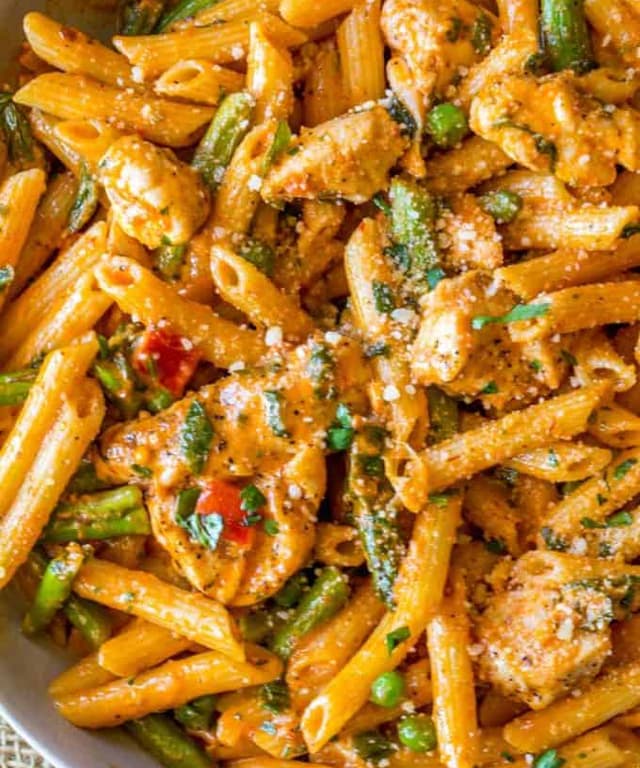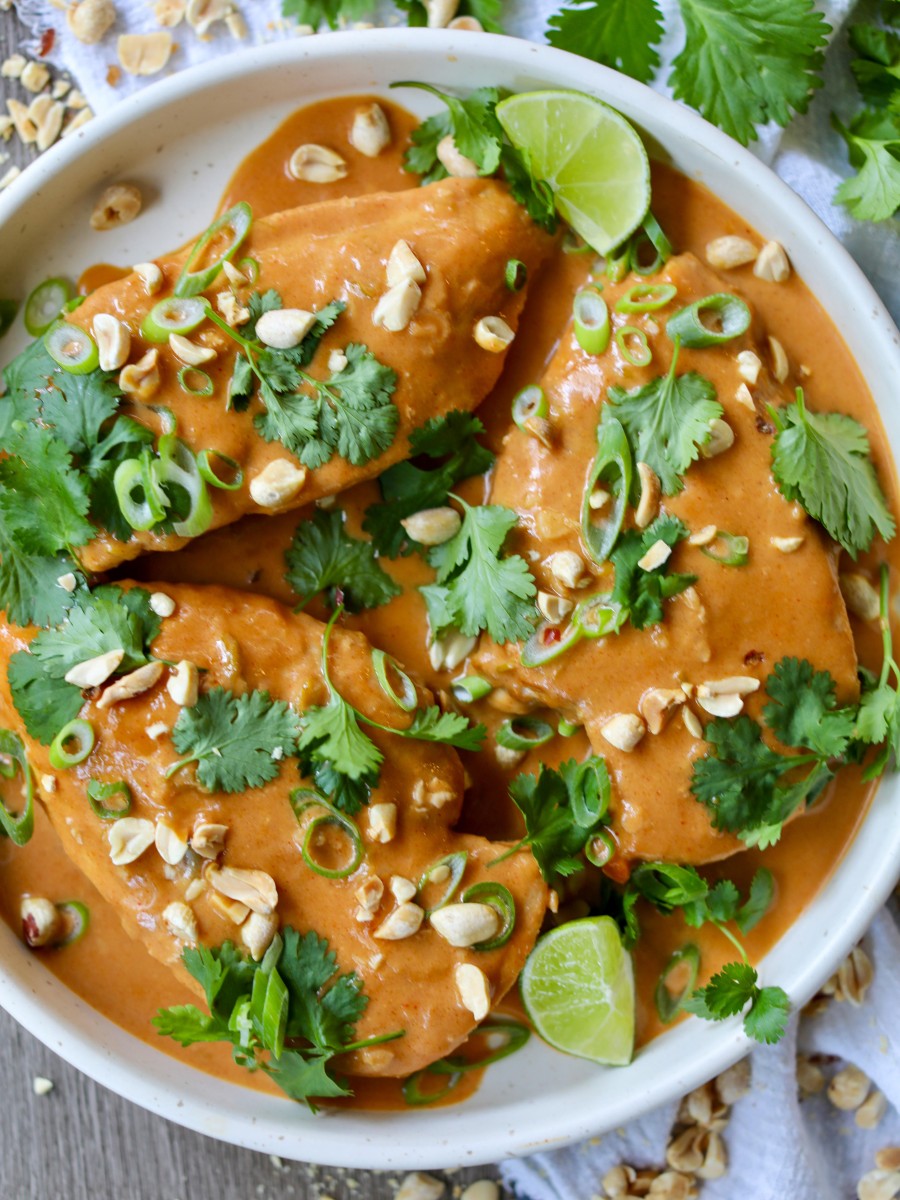
Craving something that hits the spot fast, packs a punch, and still feels a little cozy? This gochujang peanut butter chicken dish delivers a bold, sweetheat sauce that clings to every noodle strand in just 20 minutes. No overcomplicated steps, no mystery ingredientsjust a skillet, a whisk, and a bowl of flavor youll want to make again and again.
Why This Recipe Wins
Common mistake youve probably made
Most homecooks toss gochujang into the pan after the chicken is done, which turns the sauce watery and uneven. The result? Noodles that look good but taste bland.
Quick fix
Blend the gochujang, smooth peanut butter, soy sauce, honey, and a splash of water before you introduce the chicken. This creates a glossy emulsion that stays glued to the noodles and gives the chicken a caramelized crust.
What makes this version special
We balance the fiery Korean chili paste with the creamy nuttiness of peanut butter, adding just enough sweetness to tame the heat without losing its kick. The finish of toasted sesame oil and seeds adds a little aroma that feels like a mini celebration for your nose.
Protip from a Korean food researcher
According to the U.S. Department of Agricultures food database, fermented gochujang contains natural umami compounds that deepen flavor without extra salt. Choosing a brand with at least 7% salt ensures you get that authentic depth.
Star Ingredients & Roles
| Ingredient | Why it matters | Expert tip |
|---|---|---|
| Gochujang (Korean chili paste) | Provides heat, umami, and a subtle sweetness | Pick a fermented brand with 7% salt for richer flavor |
| Smooth Peanut Butter | Balances heat with creamy, nutty sweetness | Warm the peanut butter slightly to avoid clumps |
| Sesame Oil | Adds an aromatic, toasted finish | Drizzle after cooking; high heat destroys its delicate scent |
| Soy Sauce (lowsodium) | Salty backbone that brings everything together | Reduce quantity if you prefer a milder salt profile |
| Ramen or Quick Noodles | Quick vehicle for the sauce | Cook 1 minute less than package instructions for aldente texture |
| Boneless Chicken Thighs (or Breast) | Protein that soaks up the sauce | Pat dry, then sear for a caramelized crust |
Seasonal veggie addons
If youd like extra crunch and color, toss in thin slices of bell pepper, julienned carrots, or baby bok choy during the last minute of cooking. Theyll stay crisp and add a burst of freshness.
StepbyStep Guide
Prep (5 minutes)
Gather everything: 2tbsp gochujang, 2tbsp creamy peanut butter, 2tbsp lowsodium soy sauce, 1tbsp honey, 1tsp rice vinegar, 1tsp garlicginger paste, cup water, 1tbsp sesame oil, sesame seeds, scallions, and your choice of noodles. Cut the chicken into bitesize pieces and lightly season with salt and pepper.
Why it matters
Having every component measured beforehand (a mise en place) keeps the skillet moving and prevents the sauce from burning.
Cook the chicken (5 minutes)
Heat a large skillet or wok over mediumhigh heat, add a splash of neutral oil, then sear the chicken pieces for about 2minutes per side until theyre golden brown. Dont overcrowd the panif needed, do it in two batches.
Expert insight
Those crispy bits are where Maillard reaction magic happens, creating depth that youd miss with a boiled chicken chunk.
Build the sauce (3 minutes)
Lower the heat, then whisk gochujang, peanut butter, soy sauce, honey, rice vinegar, and water together directly in the pan. Keep stirring until the mixture is smooth, glossy, and just begins to bubble.
Science behind the emulsion
The fat from the peanut butter binds with the water from the gochujang and vinegar, creating a stable emulsionthink of it as a miniature vinaigrette that coats everything evenly.
Combine & finish (5 minutes)
Return the chicken to the skillet, add the cooked noodles, and toss vigorously until every strand is drenched in that rubybrown sauce. Finish with a drizzle of sesame oil, a sprinkle of toasted sesame seeds, and chopped scallions.
Optional brightness
A quick squeeze of lime right before serving lifts the flavors and cuts a hint of heaviness from the peanuts.
Serve (2 minutes)
Dish out the noodles into shallow bowls, admire the glossy sheen, and dive in while its hot. Pair with a simple cucumber kimchi or a side of steamed broccoli for extra veg.
Variations & Pairings
Gochujang peanut butter noodles (vegetarian)
Swap the chicken for firm tofu or sliced tempeh. The sauce clings just as nicely, and you keep the protein content high.
Korean spicy chicken noodles what changes
Leave out the peanut butter, increase gochujang to 3tbsp, and add a pinch of crushed redpepper flakes. The dish becomes sharper and more traditional.
Soupstyle version
After making the sauce, stir in 2cups of chicken broth, bring to a gentle boil, then add the noodles. Youll end up with a comforting gochujangpepper broth perfect for chilly evenings.
Quick easy gochujang ideas
Need something even faster? Mix gochujang with a spoonful of honey and drizzle over steamed rice, or toss it with sauted vegetables for a 10minute side.
Nutrition & Health Tips
Balance: Benefits vs. Risks
The dish shines with protein from chicken, healthy fats from peanuts, and capsaicin from gochujangknown to boost metabolism slightly. However, the sodium from soy sauce and gochujang can add up, and the honey contributes modest sugar.
How to lighten it
- Swap regular soy sauce for lowsodium tamari.
- Reduce honey to a halfteaspoon or use a sugarfree alternative.
- Bulk up the plate with extra veggies to lower calorie density.
Allergy & diet notes
If peanuts are a nogo, try almond butter or sunflower seed butterthey give a similar creamy texture without the allergen. For glutenfree diners, use tamari and rice noodles or shirataki noodles.
Trusted health source
The CDCs nutrition guidelines recommend balancing sodium intake with potassiumrich foods, which is why adding a side of sauted spinach works well here.
Final Thoughts
In under 20 minutes you can create a dish that feels both adventurous and comfortinga perfect bridge between Korean street food vibes and familiar pantry staples. Remember, the secret isnt just the ingredients; its the timing, the emulsion technique, and a dash of personal flair. Give it a try tonight, experiment with veg or protein swaps, and let the flavors surprise you.
Whats your favorite way to tweak this recipe? Do you have a gochujangbased dish that never fails? Share your experiences, ask questions, or just tell us how the sauce turned out. Happy cooking!
FAQs
Can I use chicken breast instead of thighs?
Yes—trim any excess fat, pat it dry, and sear quickly; just watch the cooking time so the breast stays juicy.
How do I prevent the sauce from separating?
Whisk the peanut butter into the sauce while it’s still warm and keep the heat low; the emulsion stays stable.
What can I substitute for peanut butter?
Almond butter, cashew butter, or sunflower‑seed butter work well and keep the creamy texture.
Can I make this dish gluten‑free?
Swap regular soy sauce for tamari and use rice or shirataki noodles for a gluten‑free version.
How long can leftovers be stored?
Refrigerate in an airtight container for up to 3 days; reheat gently and add a splash of water if the sauce thickens.