Why Flapjacks Recipe Makes a Great Breakfast
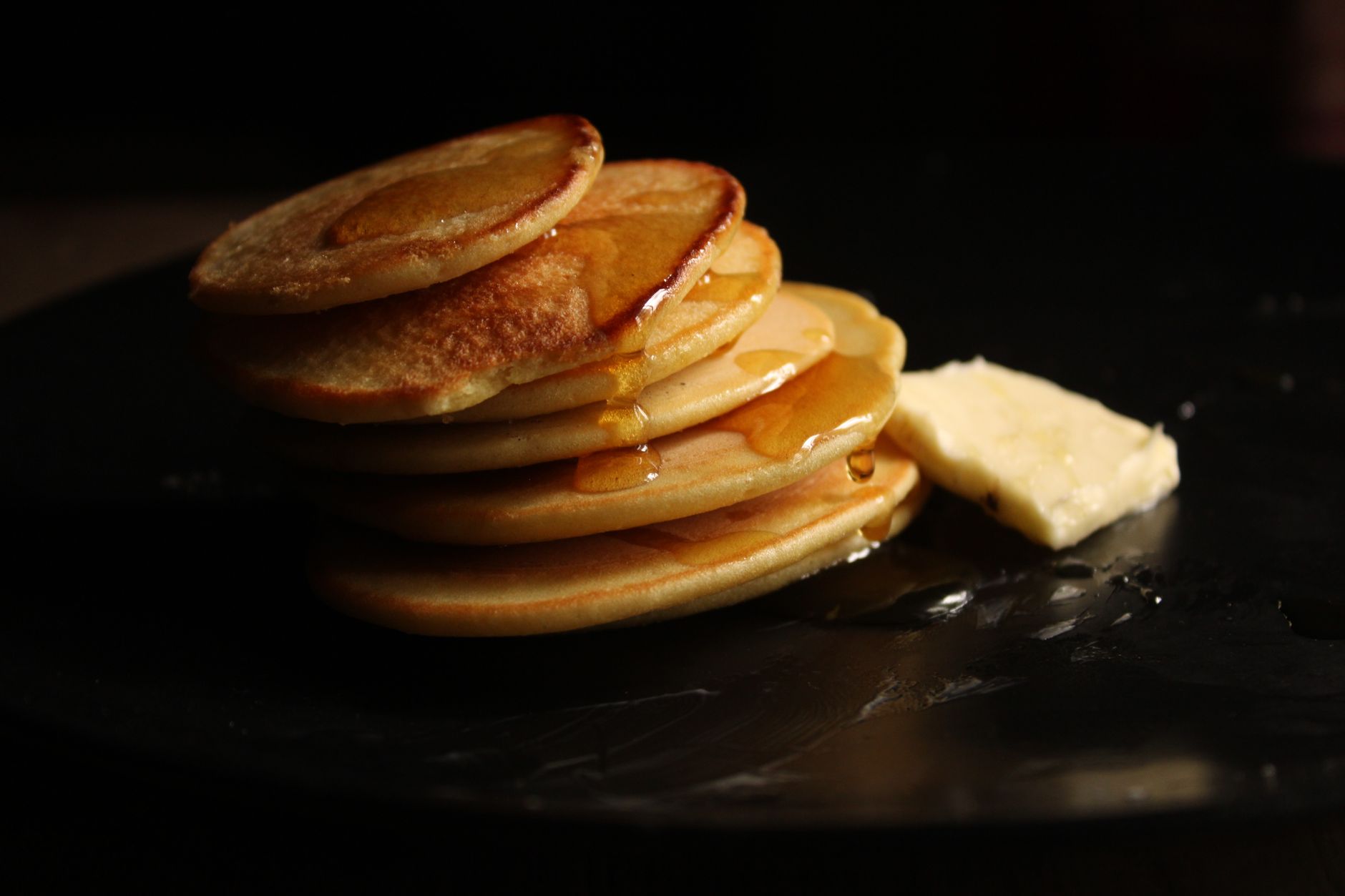
The first pancake hits the hot skillet with a soft sizzle, then turns golden at the edges.
This Flapjacks Recipe makes about 12 tender, four-inch pancakes from a simple batter of flour, milk, eggs, butter, sugar, and baking powder. A little nutmeg and vanilla add gentle warmth without overpowering the pancakes. The batter cooks in minutes and works well for relaxed weekend breakfasts or busy weekday mornings.
The pancakes are light in the centre, lightly crisp around the edges, and best served warm with butter, maple syrup, berries, or sliced bananas. Keep the batter slightly lumpy for a softer texture, and avoid pressing the pancakes after flipping.
Health Benefits & Nutrition
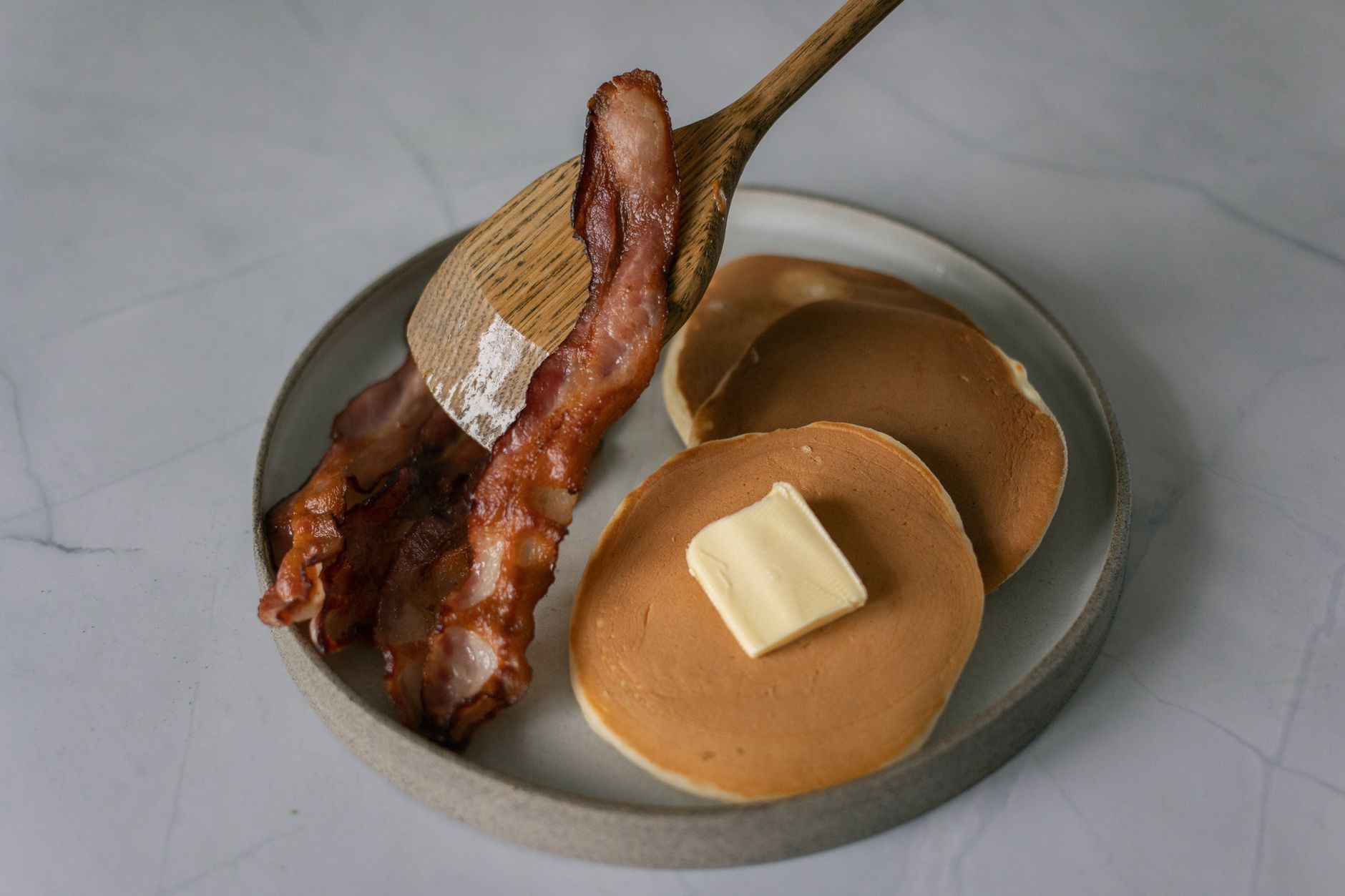
These pancakes are a satisfying breakfast because they combine carbohydrates, protein, and fat in one serving. The flour and sugar provide quick energy, while the eggs and milk contribute protein that helps make the meal more filling. The butter adds richness and helps the edges brown in the skillet.
- Eggs and milk provide protein: These ingredients help give the pancakes a tender structure and add protein to the plate.
- Milk contributes calcium: Dairy milk supplies calcium, along with other nutrients. Fortified non-dairy milk can also work, though its nutrition varies by brand.
- Homemade portions are easy to manage: Cooking at home lets you choose the pancake size and control toppings, such as syrup, fruit, or yogurt.
- Fruit can add fibre: Fresh berries, bananas, or stewed apples bring extra fibre and natural sweetness to the meal.
The approximate nutrition per pancake is 132 calories, with about 4 grams of protein, 19 grams of carbohydrates, and 5 grams of fat. The estimate excludes optional toppings and can change with ingredient brands, pancake size, and the amount of butter used for cooking.
This recipe contains wheat, milk, eggs, and dairy butter. Anyone with a food allergy should check ingredient labels and use suitable substitutions. If you need nutrition guidance for a medical condition, allergy, pregnancy, or medication-related diet, ask a qualified doctor or dietitian.
Ingredients & Preparation
Recipe Card
| Prep time | Cook time | Total time | Servings | Calories (approx) | Diet tags |
|---|---|---|---|---|---|
| 10 minutes | 15 minutes | 25 minutes | 12 pancakes | 132 per pancake | Vegetarian |
Full Ingredient List
- 1 3/4 cups all-purpose flour
- 3 tablespoons granulated sugar
- 2 teaspoons baking powder
- 1/4 teaspoon fine salt
- 1/8 teaspoon freshly ground nutmeg
- 3 tablespoons unsalted butter, plus more for the skillet
- 2 large eggs, brought to room temperature
- 1 1/4 cups whole milk, brought to room temperature
- 1/2 teaspoon vanilla extract
Equipment Needed
- Large mixing bowl
- Medium mixing bowl
- Whisk
- Large cast-iron skillet, non-stick skillet, or griddle
- 1/4-cup measuring cup or small ladle
- Flexible spatula
- Wire rack or serving platter
Tips for Choosing Quality Ingredients
Use fresh baking powder for the best lift. If yours has been open for a long time, test a little in hot water; it should fizz immediately. Freshly grated nutmeg has a brighter aroma than pre-ground spice, but either works in this small amount.
Room-temperature eggs and milk combine more smoothly with the melted butter. Cold milk can make the butter seize into small flecks. Those flecks are not harmful, but they make the batter less even and can cause uneven browning.
Choose unsalted butter so you can control the salt. Whole milk gives the richest texture, while 2% milk produces a slightly lighter pancake. Avoid very low-fat milk if you want deeply golden edges.

Step-by-Step Instructions
1. Combine the dry ingredients
At room temperature, whisk the flour, sugar, baking powder, salt, and nutmeg in a large bowl for 30 seconds. Break up any flour pockets before adding the wet ingredients. The mixture should look evenly blended and lightly fragrant from the nutmeg.
2. Mix the wet ingredients
In a second bowl, beat the eggs for 20 seconds. Whisk in the room-temperature milk and vanilla for another 15 seconds. The mixture should look uniform, with no streaks of egg white.
3. Melt the butter and finish the batter
Melt 3 tablespoons of butter in a large skillet over medium-low heat, about 1 to 2 minutes. Remove the skillet from the heat, whisk the melted butter into the milk mixture, and pour the wet mixture into the dry ingredients. Whisk for 20 to 25 seconds, just until no large dry pockets remain. A few small lumps are ideal.
The first time I made these, I whisked the batter until it looked completely smooth. The pancakes were flatter and slightly chewy. Stopping while a few pea-sized lumps remain gives the baking powder room to work and keeps the centres soft.
4. Cook the first side
Return the skillet to medium-low heat for 2 minutes. Lightly butter the surface, then pour 1/4 cup of batter for each pancake. Cook one to three pancakes at a time for about 2 minutes, until bubbles rise and break across the surface and the edges look set. The bottoms should be golden brown, not dark chestnut.
5. Flip and finish cooking
Slide a spatula under each pancake and flip once. Cook for 1 minute on the second side, until puffed and golden. A gentle tap should make the centre spring back. Serve immediately, or place the pancakes on a platter and cover them loosely with foil while cooking the remaining batter. Add a little more butter between batches as needed.
Watch the first batch closely because skillets vary. I found that medium heat browned the outside before the centre cooked, while medium-low heat produced an even golden colour and a soft middle.
Variations & Substitutions
Buttermilk flapjacks
Replace the 1 1/4 cups milk with 1 1/4 cups buttermilk. Keep the baking powder amount the same for a mild tang and tender crumb. If the buttermilk is especially thick, add 1 tablespoon extra to loosen the batter.
Whole-wheat pancakes
Replace 1/2 cup of the all-purpose flour with 1/2 cup whole-wheat flour. The batter will be slightly thicker and the pancakes a little more hearty. Let the mixed batter rest for 5 minutes before cooking so the whole-wheat flour can hydrate.
Blueberry flapjacks
Fold 3/4 cup fresh blueberries into the finished batter. For frozen berries, use them straight from the freezer and fold them in gently to reduce streaking. Cook over medium-low heat because the extra fruit can make the centres take about 30 seconds longer.
Warm cinnamon pancakes
Replace the nutmeg with 1/2 teaspoon ground cinnamon. You can also add 1/4 teaspoon ground ginger for a warmer flavour. Do not increase the spice too much, since excess dry spice can make the batter taste dusty.
Dairy-free option
Replace the milk with 1 1/4 cups unsweetened oat or soy milk, and replace the butter with a dairy-free baking spread or neutral oil. Use the same quantities. Soy milk usually gives the closest texture because it has more protein than many other plant milks.
Egg-free option
For a tested-style egg substitute, use a commercial egg replacer according to its package directions for two eggs. The pancakes may be slightly less rich and need careful flipping. Do not simply add extra milk, because the batter will lose structure.
Storage & Shelf Life
Cool leftover pancakes completely before storing them. Place parchment between the pancakes, transfer them to an airtight container, and refrigerate for up to 3 days. Refrigerated pancakes become firmer, but they soften again when reheated.
For longer storage, freeze the cooled pancakes in a single layer for 1 hour. Then stack them with parchment between each one and place them in a freezer bag or airtight container. Freeze for up to 2 months. Reheat from frozen in a toaster, toaster oven, or microwave until hot throughout.
To microwave, place one pancake on a plate and heat for 20 to 30 seconds. Add another 10 seconds if needed. For several pancakes, cover them with a slightly damp paper towel and heat in short intervals so the edges do not dry out.
Discard pancakes that show mould, develop a sour or fermented smell, feel unusually slimy, or have been left at room temperature for more than 2 hours. Do not taste food to check whether it is safe.
Pro Tips for Better Flapjacks
- Measure flour with a spoon: Spoon flour into a dry measuring cup and level it with a knife. Scooping directly from the bag can pack in extra flour and create dense pancakes.
- Do not overmix: A few small lumps are helpful. Excess whisking develops gluten and produces a chewy rather than tender crumb.
- Preheat gradually: Give the skillet 2 minutes over medium-low heat before adding batter. A properly heated pan makes a soft sizzle when the batter lands.
- Use a test pancake: Cook one small pancake first. If it turns dark before bubbles appear, lower the heat. If it stays pale after 2 minutes, raise the heat slightly.
- Leave room between pancakes: Three four-inch pancakes need enough space for the spatula to slide underneath without disturbing the neighbouring pancake.
- Flip only once: Repeated flipping can deflate the pancakes and make the surface patchy. Wait until the edges look dry and several bubbles have broken.
- Keep cooked pancakes warm carefully: Place them on a platter and cover loosely with foil. Tight covering traps steam and can make the edges soft.
- Balance the toppings: Since the batter is gently sweet, tart berries, plain yogurt, or a small amount of maple syrup all work well. A pinch of flaky salt can sharpen the buttery flavour.
Questions & Answers
When is the best time to eat Flapjacks Recipe?
The best time to eat these flapjacks is immediately after cooking, while the edges are warm and lightly crisp. They are especially good for breakfast or brunch, but make a useful afternoon snack too. If serving a crowd, keep finished pancakes loosely covered with foil for no more than 15 minutes.
Why are my flapjacks dense instead of fluffy?
Overmixing or old baking powder is usually the cause of dense flapjacks. Whisk the batter only until the large dry pockets disappear, leaving a few small lumps. Also check that the baking powder is fresh and that the skillet is not so hot that the outside sets before the centre can rise.
How do I know when to flip the pancakes?
Flip the pancakes when bubbles rise and break across the surface, the edges look set, and the underside is golden brown. This usually takes about 2 minutes over medium-low heat. If the batter still looks glossy in the centre, wait another 15 to 20 seconds before sliding the spatula underneath.
Can I make the batter ahead of time?
You can prepare the batter up to 30 minutes ahead, but cook it soon after mixing for the best lift. Cover the bowl and keep it refrigerated if your kitchen is warm. The pancakes may be slightly less fluffy after a longer rest because the baking powder begins reacting once the wet and dry ingredients meet.
Can I use self-rising flour?
Yes, but reduce the added baking powder and salt. Replace the all-purpose flour and 2 teaspoons baking powder with 1 3/4 cups self-rising flour, then omit the 1/4 teaspoon salt. Check the flour label because self-rising blends differ in salt levels and leavening strength.
What is the best way to reheat leftover pancakes?
The best method is a toaster or toaster oven because it restores a little edge crispness. Microwave one pancake for 20 to 30 seconds when speed matters. For frozen pancakes, reheat directly from frozen and continue in short intervals until the centre is hot.
Can I make smaller or larger pancakes?
Yes, you can change the size, but adjust the cooking time. Use 2 tablespoons of batter for small pancakes and cook about 60 to 90 seconds per side. For large pancakes, use 1/3 cup batter and cook about 2 1/2 minutes on the first side and 1 to 1 1/2 minutes after flipping.
More Recipes You Will Love
For a fresh drink alongside your pancakes, try this Orange mango smoothie recipe 1957743. Its bright fruit flavour balances the buttery, warm notes of the flapjacks.
If you enjoy sweet breakfasts with a little fruit and spice, the Cranberry french toast recipe makes another comforting option for weekends and holiday mornings.
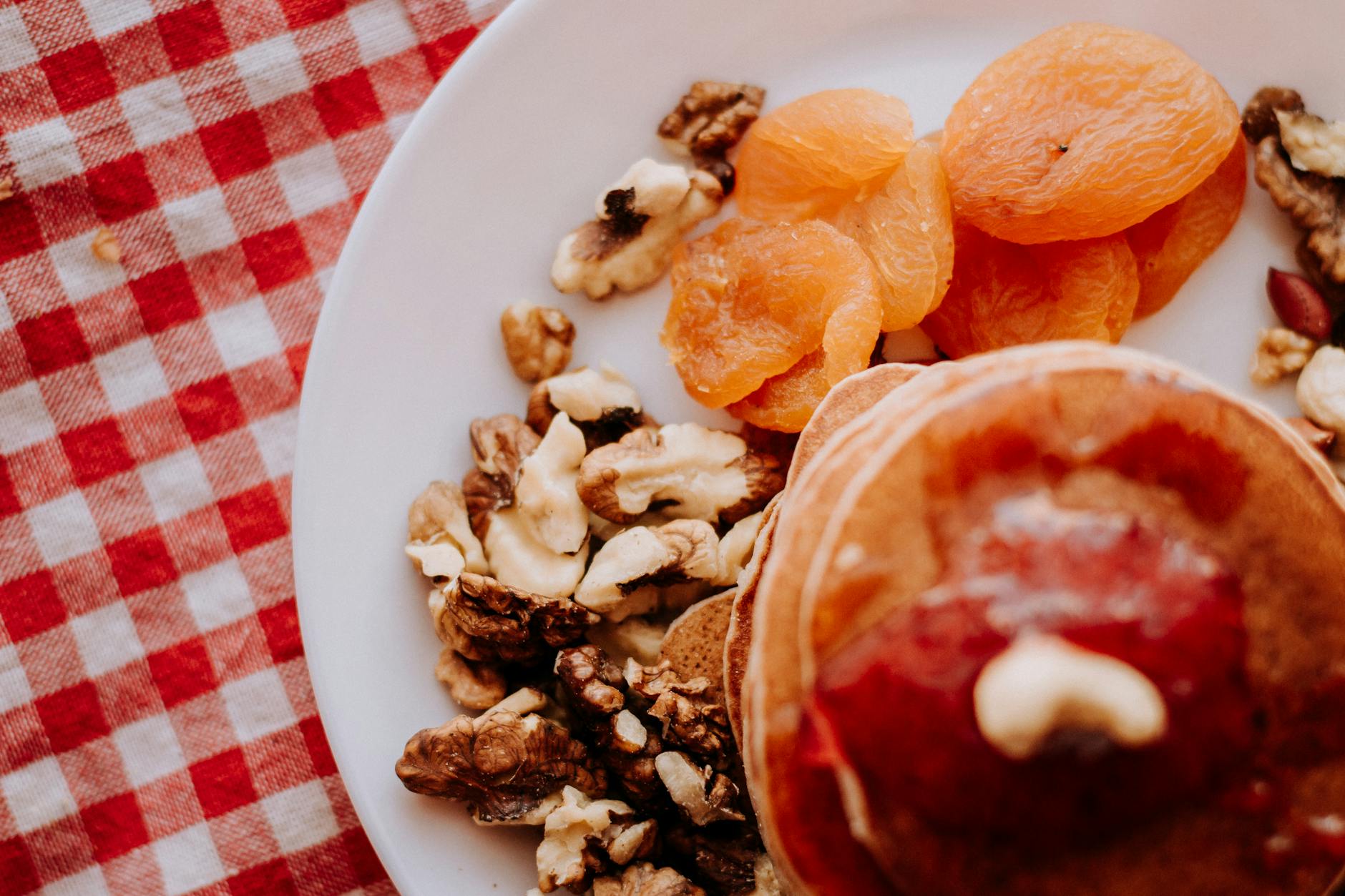
You can also serve these pancakes with roasted apples, Greek-style yogurt, toasted pecans, or a spoonful of berry compote. Simple toppings keep the texture of the pancakes at the centre of the meal.
Conclusion
This Flapjacks Recipe gives you tender, golden pancakes with everyday ingredients and a straightforward method. The key details are gentle mixing, medium-low heat, and waiting for bubbles before flipping. Serve the stack with butter and maple syrup, or add fresh fruit and yogurt for a brighter plate. If you make them, leave a comment or rating and share which toppings you enjoyed most.
FAQs
When is the best time to eat Flapjacks Recipe?
The best time to eat Flapjacks Recipe is at breakfast or brunch, while the pancakes are still warm from the skillet. They suit relaxed weekend mornings and busy weekdays, since the batter cooks in about 15 minutes. Serve them with butter, maple syrup, berries, or sliced bananas for a balanced start to the day.
Can I make the Flapjacks Recipe batter ahead of time?
You can prepare the batter shortly before cooking, but it is best made fresh. Baking powder loses some lift as batter sits, so the pancakes may be less light if it waits too long. If you must prepare it ahead, cover it, refrigerate it, and stir gently before cooking.
How do I store and reheat leftover flapjacks?
Store leftover flapjacks in an airtight container in the refrigerator once they have fully cooled, and eat them within a few days. To reheat, warm them in a toaster, a dry skillet, or a microwave until hot all the way through. Freezing pancakes with parchment between layers also works well for later breakfasts.
Can I make Flapjacks Recipe dairy-free?
Yes, you can make Flapjacks Recipe dairy-free by swapping the whole milk for a fortified plant milk and the butter for a dairy-free butter or a neutral oil. The pancakes may brown slightly differently and have a softer texture. Check ingredient labels, since plant milks and spreads vary in their ingredients.
Why are my flapjacks flat or tough?
Flat or tough pancakes usually come from old baking powder, overmixing, or pressing them down after flipping. Test the baking powder in hot water, where it should fizz right away. Mix the batter until just combined, keep it slightly lumpy, and let the pancakes cook without pressing them.