Why Chinese Traditional Wedding Tea Ceremony Matters
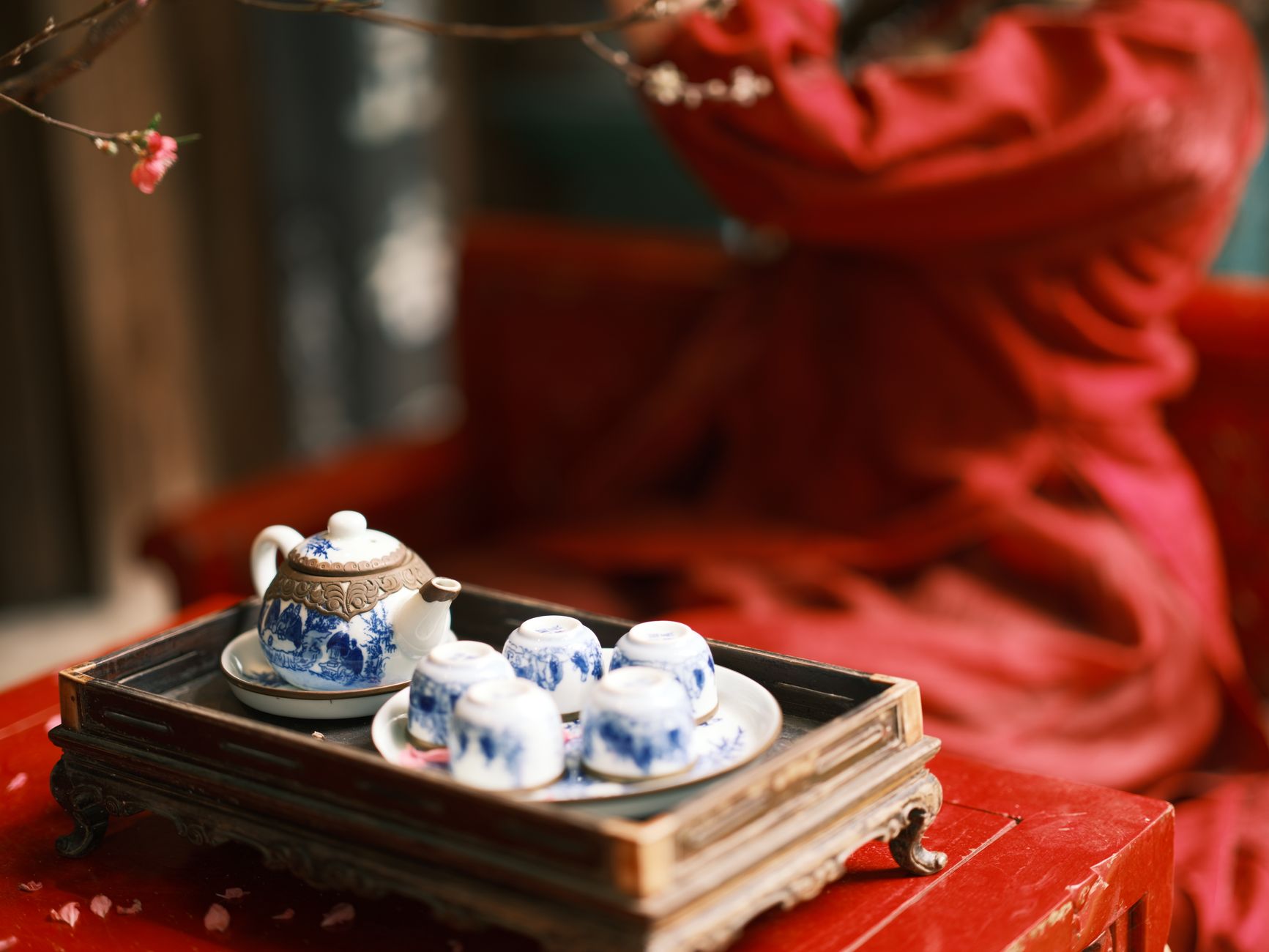
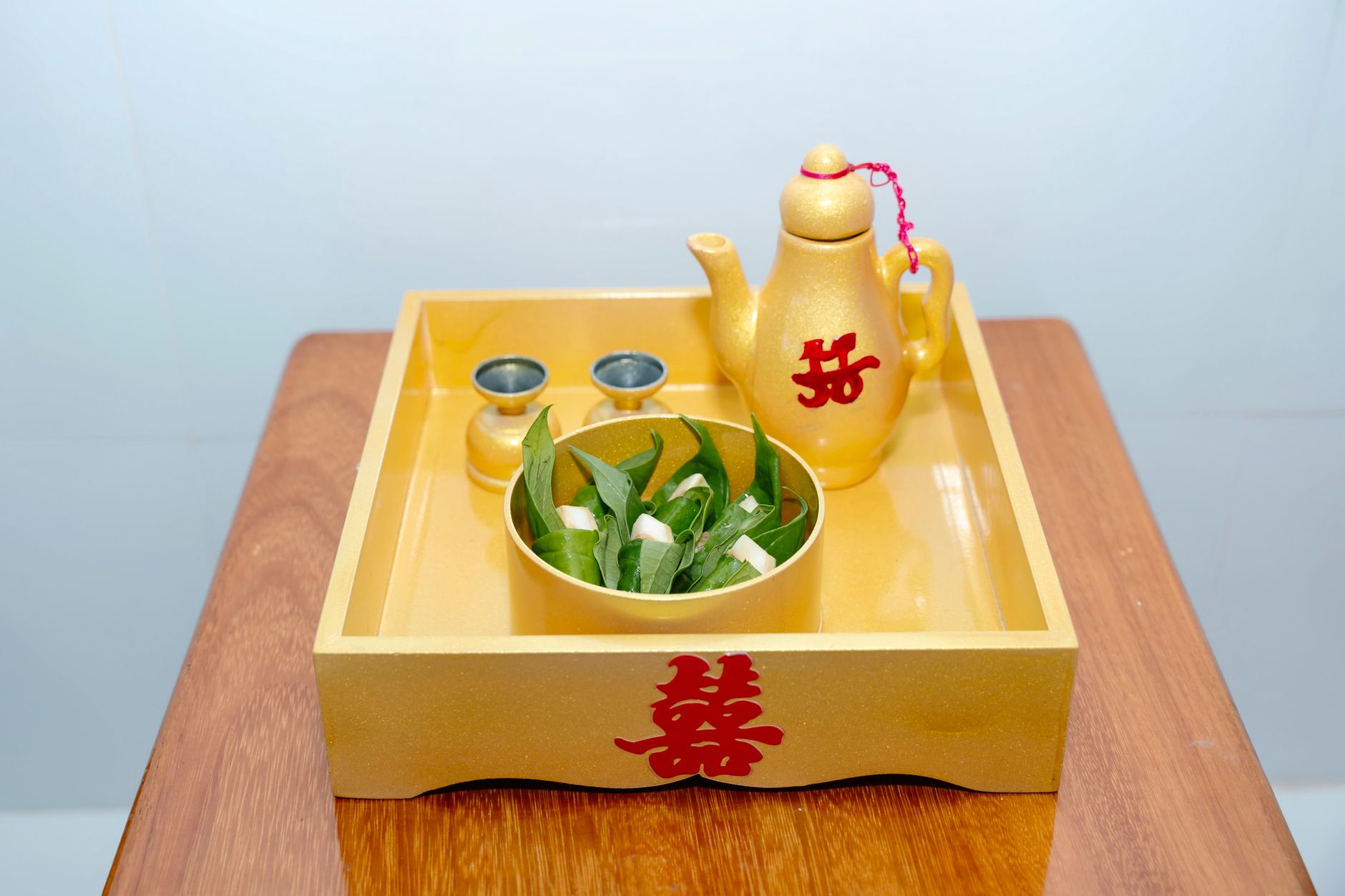
The soft clink of porcelain, warm tea aroma, and quiet smiles can make a wedding room feel suddenly intimate. A Chinese Traditional Wedding Tea Ceremony is a wedding custom in which the couple serves tea to parents and senior relatives as a gesture of respect, gratitude, and family welcome.
The ceremony represents more than serving a drink. It acknowledges the people who raised and supported the couple, while giving both families a meaningful moment to recognize the marriage. Customs vary between families, regions, and Chinese communities, so there is no single correct script. Some couples kneel, others bow, and many adapt the order to suit elderly relatives, blended families, or different cultural backgrounds.
What matters most is thoughtfulness. Fresh tea, clean cups, a calm schedule, and a family member who understands the order can make the experience feel graceful rather than rushed.
Health Benefits & Nutrition
Tea is part of the ritual, but the ceremony itself is not a health treatment or nutrition-focused meal. The drink is usually served in small portions, and the emotional meaning matters more than its nutritional content.
- Tea provides hydration. Unsweetened tea contributes fluid, although it should not replace water throughout the day.
- Green and black tea contain caffeine. The amount varies with the tea type, leaf quantity, and steeping time. People who are sensitive to caffeine may prefer a shorter infusion or caffeine-free herbal tea if the family accepts that choice.
- Unsweetened tea keeps the ritual simple. Traditional service usually does not require milk, cream, or a large amount of sugar, which keeps the flavor clear and the serving light.
- Shared tea can support connection. Offering and receiving the cups creates a deliberate pause for family members to speak, bless the couple, and exchange gifts.
Caffeine deserves extra attention when pregnant guests, children, older adults, or people taking medication are involved. Tea can also trigger allergies or sensitivities in some people, especially when flavored blends contain flowers, herbs, or added ingredients. Ask guests about dietary or medical concerns, and consult a doctor or dietitian for personal guidance.
Ingredients & Preparation
Recipe Card
This is a ceremony planning card rather than a food recipe. The times below cover preparing the tea and arranging the service. The ceremony itself may take longer depending on the number of relatives.
| Prep time | Cook time | Total time | Servings | Calories (approx) | Diet tags |
|---|---|---|---|---|---|
| 15 minutes | 5 minutes | 20 minutes | 8 small servings | 0–5 per serving, unsweetened | Vegetarian, vegan, dairy-free, gluten-free |
Tea and Ceremony Supplies
- 8 teaspoons loose-leaf tea, such as oolong, black tea, or green tea
- 4 cups boiling water, approximately 200°F to 205°F (93°C to 96°C)
- 8 small tea cups, preferably matching or coordinated
- 1 teapot with a capacity of at least 4 cups
- 1 tea tray with raised edges
- 1 kettle
- 2 clean tea towels
- 8 small saucers, optional
- Red envelopes or prepared family gifts, optional
- 1 written serving order
- 4 to 8 cushions, depending on the chosen etiquette and family needs
These quantities make eight small servings, but you can scale them to your guest list. Use approximately 1 teaspoon of loose-leaf tea for each cup of water. For a larger group, brew several small batches instead of allowing one pot to sit for a long time.
Equipment Needed
- Electric kettle or stovetop kettle
- Teapot or small brewing pot
- Timer
- Thermometer, optional but useful
- Serving tray
- Small bowl for used tea leaves
- Extra napkins or towels for spills
- Chair or low stool for relatives who cannot stand or kneel comfortably
Tips for Choosing Quality Ingredients
Choose tea that the couple and senior relatives will actually enjoy. A lightly roasted oolong offers a rounded, floral cup. Black tea has a stronger aroma and color. Green tea is fresh and grassy but can taste bitter when brewed too hot. Ask both families before choosing a rare or strongly flavored tea.
Fresh, clean water makes a noticeable difference. Filtered water is helpful when tap water has a strong chlorine smell. Avoid tea with a dusty aroma, faded color, or stale cardboard scent. Loose leaves are easy to portion and usually give you more control than individual bags, although quality tea bags are perfectly practical for a busy wedding morning.
For a modern tea station, you can offer a second caffeine-free option. A plain floral or roasted grain infusion may work, but label it clearly so guests know what they are receiving.

Step-by-Step Instructions
1. Confirm the family order 24 hours before the ceremony
Write the serving order before the wedding day and confirm each person’s preferred title. A common arrangement begins with the groom’s parents, followed by the bride’s parents, then grandparents and other senior relatives. Families may use a different order, so follow the couple’s household customs.
2. Set the tea table for 10 minutes
Place the teapot, cups, tray, towels, kettle, and used-leaf bowl on a stable table. Keep the tray close to the person pouring tea, but leave a clear path for the couple. Put gifts and red envelopes in a separate area so they do not crowd the serving space.
3. Heat the water to 200°F to 205°F for 5 minutes
Bring the water to a boil, then use it immediately for black tea or lightly cooled water for delicate green tea. I found that water poured straight from a vigorous boil made green tea taste sharp, so cooling it for about 3 minutes produced a smoother cup. Warm the teapot and cups with a small splash of water, then discard it.
4. Brew the first pot for 3 minutes
Add 8 teaspoons of loose-leaf tea to the teapot and pour in 4 cups of hot water. Set a timer for 3 minutes. The finished tea should smell fragrant and look clear, not cloudy or murky. The first time I prepared a full tray, I steeped the leaves too long while organizing the cups; the tea became harsh and astringent. Use a timer and pour promptly.
5. Serve each relative with two hands
Pour the tea into small cups, leaving enough space to carry them safely. The couple presents each cup with both hands while kneeling on cushions or standing and bowing, depending on family preference. Allow about 1 minute per relative for receiving the cup, offering thanks, and accepting a gift.
After the first round, brew a fresh pot rather than topping up old tea with hot water. A warm honey-colored cup and a clean floral or roasted aroma signal that the tea is ready to serve.
Variations & Substitutions
- Use oolong instead of black tea: Replace the 8 teaspoons of black tea with 8 teaspoons of oolong. Brew at approximately 195°F to 205°F (91°C to 96°C) for 3 minutes.
- Use green tea: Substitute 8 teaspoons of green tea and use water at approximately 175°F to 185°F (79°C to 85°C). Brew for 2 minutes, then taste before extending the time.
- Offer a caffeine-free option: Prepare a separate pot using 8 teaspoons of roasted barley or another family-approved caffeine-free infusion with 4 cups of hot water. Keep the pot clearly labeled.
- Serve seated instead of kneeling: Replace floor cushions with two stable chairs if anyone has mobility concerns. The couple can bow slightly and present the cups with both hands.
- Include blended families: Serve stepparents, guardians, or chosen elders according to the couple’s relationships rather than following a rigid family chart.
- Make the ceremony alcohol-free: Use tea for every relative, including guests who do not drink alcohol. Do not add alcohol to the teapot, because it changes the ritual and creates avoidable safety concerns.
If you are planning a larger Asian-inspired drink station after the ceremony, a separate Strawberry milk tea can be served later. Keep it apart from the ceremonial tea so the traditional presentation remains clear.
Storage & Shelf Life
Freshly brewed tea is best served immediately. At room temperature, discard brewed tea after 2 hours, especially if it has been sweetened or handled repeatedly. If necessary, transfer plain tea to a clean, covered container and refrigerate it for up to 24 hours.
Do not freeze brewed tea for a ceremony. Freezing can dull the aroma and create an unpleasant texture when thawed. Instead, store unopened dry tea in an airtight container in a cool, dark cupboard. Most dry tea is best used within 6 to 12 months after opening for a bright aroma.
Discard tea if it develops mold, a sour smell, unusual cloudiness, a sticky surface, or a flavor that seems fermented in an unpleasant way. Wash and dry cups, teapots, and trays completely before storing them. Lingering moisture can create odors and damage some wooden or woven trays.
Pro Tips
Prepare a written chart with names, titles, relationship, serving order, and whether each person prefers a full or partial cup. Give one copy to the coordinator and one to the person pouring tea. This prevents whispered confusion when the room becomes busy.
Use small cups rather than standard mugs. They are easier to carry with two hands and allow the couple to serve several relatives from one small pot. Fill each cup only two-thirds full, leaving room to move without sloshing.
Keep the couple’s hands free whenever possible. One helper can pour, another can pass cups, and a third can collect used cups. The couple should focus on greeting relatives rather than balancing a tray, kettle, and gifts.
Protect clothing and furniture with a tray that has raised edges. Keep one folded towel underneath the teapot and another beside the kettle. I found that placing the towel beside the tray worked better than tucking it under the pot, where it made the teapot wobble.
Do not treat kneeling as a test of respect. If the couple or an elder cannot kneel safely, standing bows or seated service can carry the same meaning. Explain the plan to both families before the day so nobody feels surprised.
For a richer tea aroma, warm the teapot first and avoid leaving the lid open between batches. For a gentler flavor, reduce the leaf quantity by 1 teaspoon rather than adding extra water after brewing. Dilution can make the cup taste thin, while a smaller leaf adjustment keeps the aroma balanced.

Questions & Answers
When is the best time to use Chinese Traditional Wedding Tea Ceremony?
The best time is usually on the wedding day, either before the formal ceremony or during a private family gathering afterward. Many couples serve tea at each family home in the morning, while others hold one combined session at the reception venue. Choose a time when senior relatives are rested and the schedule allows unhurried conversation.
Who should receive tea during the ceremony?
Parents and grandparents usually receive tea first, followed by older relatives and other family members chosen by the couple. The list can include stepparents, guardians, aunts, uncles, or family friends who hold a parent-like role. The couple should decide the order together and explain it to the coordinator in advance.
What kind of tea is traditionally served?
Oolong, black tea, and green tea are all suitable choices, depending on family tradition and personal taste. Some families prefer a sweet tea with dates or longan, while others serve plain brewed tea. Ask the senior relatives before choosing, especially if anyone avoids caffeine or strongly flavored ingredients.
Do the bride and groom have to kneel?
No, kneeling is customary in some families but not required for every ceremony. Couples may bow while standing or serve relatives while seated if kneeling is uncomfortable or impractical. Respectful posture, two-handed presentation, eye contact, and sincere thanks communicate the ceremony’s meaning without creating a physical strain.
What gifts are given after tea is served?
Common gifts include red envelopes, jewelry, watches, or family heirlooms, but gifts are not mandatory. The appropriate choice depends on the family’s customs and budget. If jewelry is presented, the couple may put it on during the ceremony as a gesture of appreciation. A coordinator should quietly collect envelopes and record who gave them.
Can a non-Chinese partner take part?
Yes, a non-Chinese partner can participate fully after receiving a simple explanation of the order and gestures. Practice holding the cup with both hands, offering a small bow, and using each relative’s preferred title. The ceremony can also include customs from the other partner’s family when both sides want a shared tradition.
How can the ceremony include relatives with mobility limitations?
Use stable chairs, a higher table, and a clear walkway for relatives who cannot kneel or stand for long. The couple can serve at eye level and offer smaller cups that are easy to hold. Tell the photographer and wedding coordinator about these arrangements so the adaptation feels planned, comfortable, and respectful.
More Recipes You Will Love
After the family ceremony, serve a relaxed selection of drinks for guests who want something cold or sweet. The Strawberry milk tea works well as a dessert-style option, especially for younger guests.
If you are building a broader Asian-inspired wedding menu, a homemade Gochujang paste recipe can add depth to savory dishes served later. Keep bold sauces and heavily seasoned foods away from the tea table so the ceremony remains calm and uncluttered.
For a simple spread, pair fresh fruit, small pastries, plain cakes, and mild savory bites with the tea. Choose foods that can be eaten neatly between greetings and photographs.
Conclusion
A Chinese Traditional Wedding Tea Ceremony creates a quiet space inside a busy wedding day. The tea may take only a few minutes to brew, but serving it thoughtfully can honor parents, welcome new family members, and make older relatives feel included. Adapt the posture, menu, timing, and guest list to fit your families. A clear plan and fresh tea will help the moment feel warm rather than hurried. Share your family’s version in the comments, or rate this guide if it helped with your planning.
FAQs
When is the best time to use Chinese Traditional Wedding Tea Ceremony?
The best time is on the wedding day, when both families are present and the room is calm. Many couples hold the ceremony before the reception or banquet, so parents and senior relatives can receive the tea and offer their blessings without interruption. Timing varies by family and region, so confirm the schedule with elders in advance.
How long does a Chinese wedding tea ceremony usually take?
Preparing the tea and arranging the service usually takes about 20 minutes. The ceremony itself depends on how many relatives are served, since each cup is offered and received with greetings. Planning a calm schedule with enough time for each family group helps the ceremony feel unhurried.
Can I use green tea for a Chinese wedding tea ceremony?
Yes, green, black, and oolong teas are all commonly used in wedding tea service. Green and black teas contain caffeine, so guests who are sensitive to it may prefer a shorter steep or a caffeine-free herbal option if the family agrees. Choose a tea that suits the guests and the family's preferences.
How should I store leftover loose-leaf tea after the ceremony?
Store leftover loose-leaf tea in an airtight container away from light, heat, and strong odors. A cool, dry cabinet works well for most teas. Keeping the leaves sealed helps preserve their aroma for later use, though flavor gradually fades over time.
Do I need to kneel during the Chinese wedding tea ceremony?
No single rule applies to every family. Some couples kneel, others bow, and many adjust the gesture to suit elderly relatives or medical needs. Discussing the preferred style with both families beforehand lets everyone take part comfortably and respectfully.