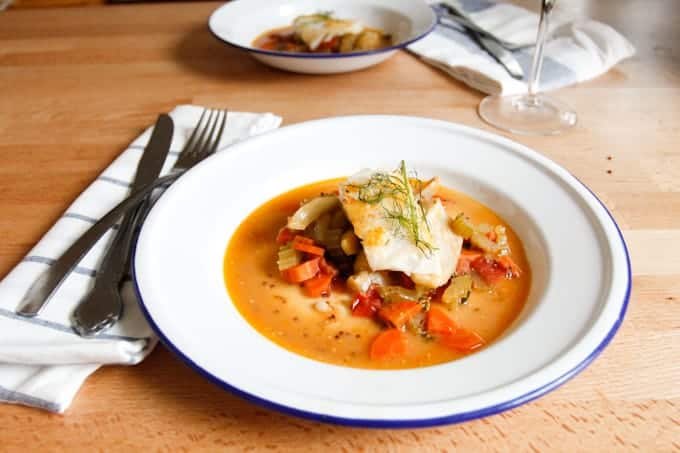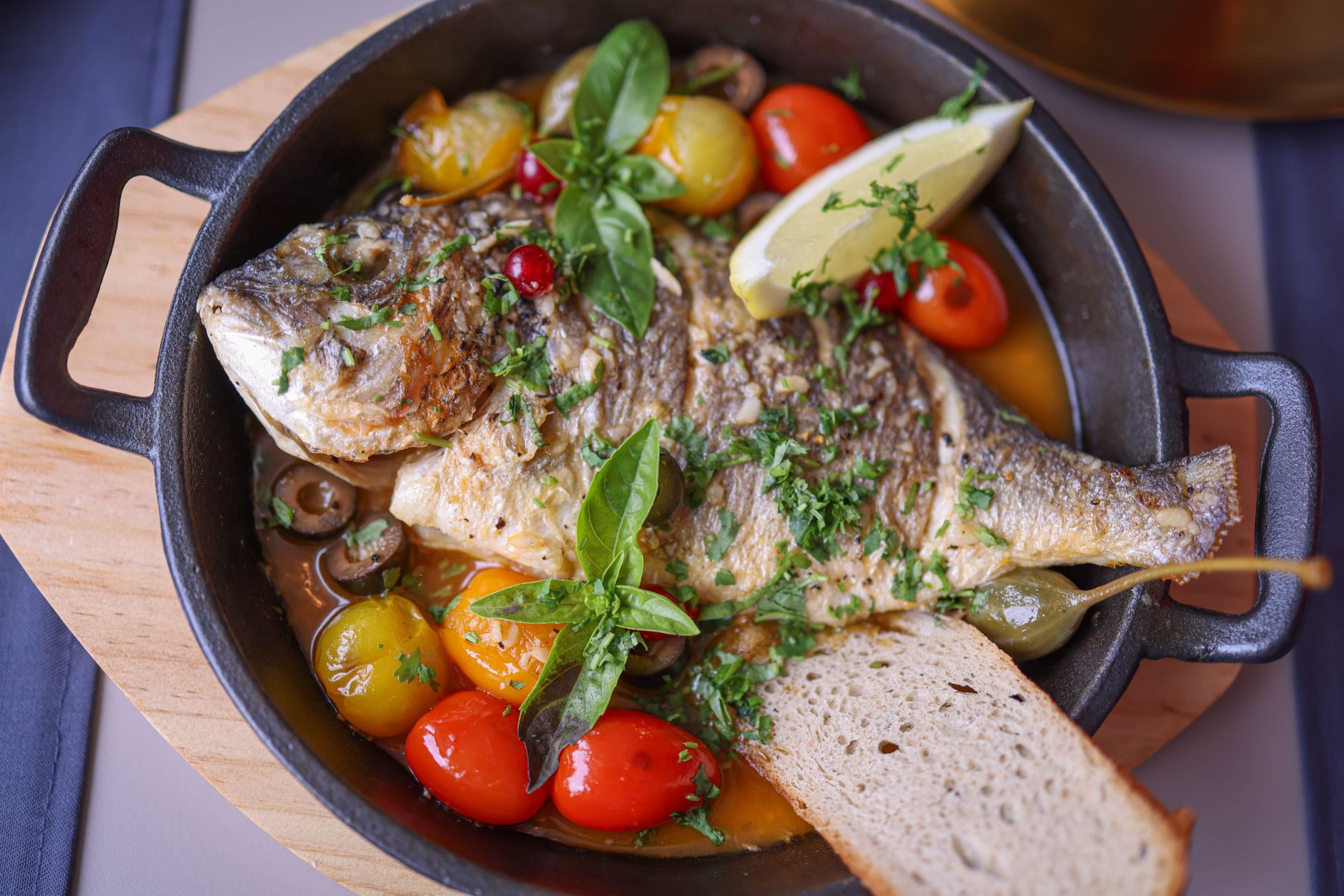
Why Cast Iron Blackened Grouper with Grilled Seasonal Asparagus, Morels, Roasted Fingerlings, and Watercress Cream?
Imagine the sizzle of a hot cast iron skillet as the aromatic blackening spices brown a tender grouper fillet. This dish offers a vibrant combination of smoky, earthy, and fresh flavors—each bite bursting with contrast. The crispy roasted fingerling potatoes and the lively watercress cream create a luscious balance with the tender, flaky fish. Featuring grilled seasonal asparagus and morels, this recipe celebrates the garden’s best while bringing that irresistible char and depth only cast iron cooking can deliver. Your taste buds will love the mingling of textures and bold seasoning found in this Cast Iron Blackened Grouper with Grilled Seasonal Asparagus, Morels, Roasted Fingerlings, and Watercress Cream.
Health Benefits & Nutrition
This hearty seafood dish is as nutritious as it is flavorful. Grouper is a high-protein, low-fat fish rich in omega-3 fatty acids, which benefit heart health and brain function, according to research by the American Heart Association. The morel mushrooms bring in antioxidants and vitamin D, supporting immune health and bone strength.
Asparagus adds a boost of folate and vitamin K, essential for cellular repair and blood clotting. Meanwhile, fingerling potatoes provide complex carbohydrates and potassium, helping regulate blood pressure. The watercress cream, made from nutrient-dense watercress and heavy cream, offers vitamins A and C along with calcium.
Note: If you have allergies to shellfish or mushrooms, exercise caution with morels. Pregnant individuals should consult their healthcare provider before consuming higher-fat dishes like this one due to the cream content.
Ingredients & Preparation
Recipe Card
| Prep Time | 20 minutes |
|---|---|
| Cook Time | 35 minutes |
| Total Time | 55 minutes |
| Servings | 4 |
| Calories per Serving | 1067 kcal |
| Diet Tags | Gluten-Free, High-Protein |
Full Ingredient List
- 2 pounds grouper fillet, skin-on, cut into 4 portions
- 12 fingerling potatoes
- 8 white asparagus spears, peeled
- 8 green asparagus spears, peeled
- ½ pound fresh morel mushrooms
- ½ cup sugar snap peas, pods removed
- 3 tablespoons unsalted butter
- 3 bunches watercress, roughly chopped
- 2 cups heavy cream
- 4 tablespoons grapeseed oil, divided
- Blackening Spice:
- 1 tablespoon black peppercorns
- 1 tablespoon coriander seed
- 1 teaspoon cayenne pepper
- 1 teaspoon Spanish paprika
- Zest of 2 lemons, dried
- Zest of 2 oranges, dried
- Salt and pepper, to taste
Equipment Needed
- Cast iron skillet
- Roasting pan or baking sheet
- Large pot for blanching vegetables
- Blender or food processor
- Mixing bowls
- Sharp chef’s knife
Tips for Choosing Quality Ingredients
Look for fresh grouper fillets with firm flesh and shiny skin. Seasonal asparagus should be crisp and vibrant in color—lean towards thinner spears for tenderness. Morels must be clean without dirt or grit; purchase from trusted markets during their peak season. Choose fingerlings that are firm and blemish-free. Pick bright green watercress with no yellowing leaves to ensure freshness. Opt for high-quality grapeseed oil and fresh citrus zests to maximize flavor.
Step-by-Step Instructions
Step 1: Prepare the Blackening Spice (10 minutes)
Place black peppercorns, coriander seeds, cayenne pepper, Spanish paprika, dried lemon and orange zest, salt, and pepper into a spice grinder. Grind for one full minute until fine and fragrant. Set aside.
Step 2: Roast the Fingerling Potatoes (15 minutes at 350°F)
Preheat your oven to 350°F (175°C). Wash fingerling potatoes and place them whole on a baking sheet. Roast for 15 minutes or until tender when pierced with a fork. Remove and keep warm.
Step 3: Blanch and Prepare Vegetables (8 minutes)
Bring a large pot of salted water to a boil. Blanch white and green asparagus for 3 to 4 minutes until just tender but still crisp. Immediately plunge into ice water to halt cooking. Drain and set aside. Also, blanch sugar snap peas for 2 minutes, then shock them in ice water.
Step 4: Sauté Morels and Snap Peas (7 minutes)
Melt butter in a skillet over medium heat. Add morels and sugar snap peas. Sauté gently until the mushrooms release their earthy aroma and become tender, about 5 to 7 minutes. Remove from heat.
Step 5: Prepare Watercress Cream (5 minutes)
In a blender, combine watercress, heavy cream, and 2 tablespoons grape seed oil. Blend on high for 45 seconds until silky smooth. Transfer to a saucepan and warm gently over low heat, stirring occasionally.
Step 6: Blacken and Finish the Grouper (10-12 minutes total)
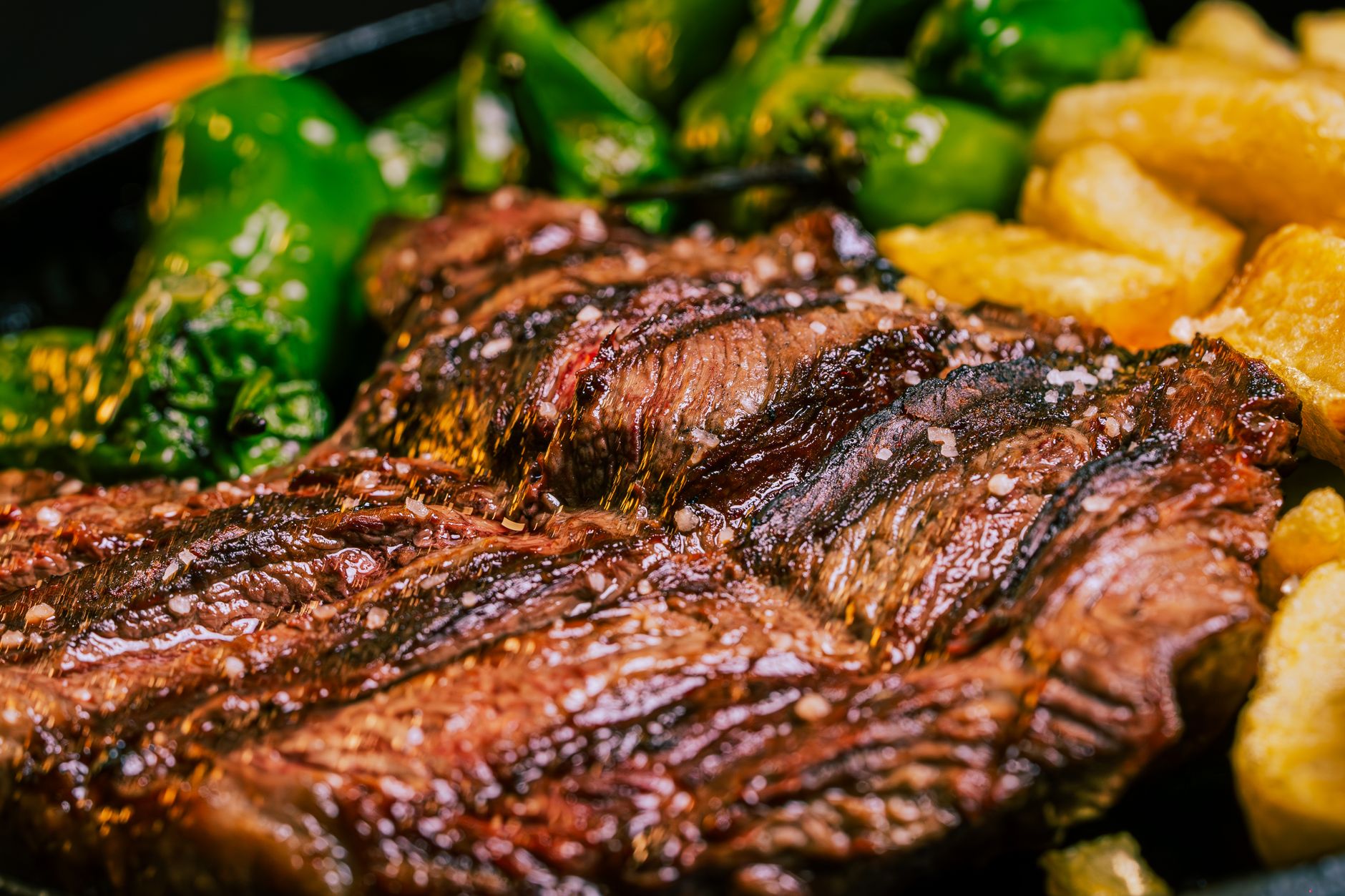
Pat the grouper fillets dry. Rub the blackening spice generously over the flesh side of each fillet. Heat the remaining 2 tablespoons grapeseed oil in a cast iron skillet over high heat until it just begins to smoke. Carefully place fillets flesh-side down. Sear until a deep, smoky crust forms, about 2 to 3 minutes. Flip and cook the skin side for 1 minute. Transfer skillet to oven and bake at 350°F for 8 more minutes until cooked through and flaky.
Variations & Substitutions
- Fish Choice: Substitute grouper with blackened snapper, mahi-mahi, or even swordfish steaks for similar texture and flavor profiles.
- Mushrooms: Swap morels with chanterelles or cremini mushrooms if fresh morels are unavailable. Dry morels can be rehydrated but adjust cooking time accordingly.
- Vegetables: Replace asparagus with grilled broccolini or sautéed green beans for a seasonal twist.
- Dairy-Free: Use coconut cream or cashew cream instead of heavy cream to make the watercress puree dairy-free and vegan-friendly.
Storage & Shelf Life
Refrigeration: Store leftovers in airtight containers in the fridge for up to 2 days. To retain crispness of vegetables, keep the watercress cream separate until serving.
Freezing: Cooked fish and roasted fingerlings freeze well in sealed containers or vacuum bags for up to 1 month. Avoid freezing the watercress cream as it may separate.
Signs of spoilage: Discard any leftovers with off-odors, slimy texture, or color changes. The fish should smell fresh and mild, not fishy when raw or cooked.
Pro Tips
- Use a well-seasoned cast iron skillet for that authentic blackened crust and even heat distribution.
- Dry the fish thoroughly before applying spices to ensure maximum crust formation and prevent steaming.
- Use dried citrus zest for more intense flavor in blackening spice; fresh zests can make the blend too moist.
- Blanch vegetables quickly and shock in ice water to preserve vibrant color and crisp texture.
- Warm the watercress cream gently—avoid boiling, which can alter its fresh, peppery flavor and cause separation.
- Reheat sautéed mushrooms and fingerlings just before plating to maintain texture and temperature.
When is the best time to eat Cast Iron Blackened Grouper with Grilled Seasonal Asparagus, Morels, Roasted Fingerlings, and Watercress Cream?
This dish shines during spring and early summer when asparagus and morel mushrooms are at their peak freshness. It’s perfect for elegant dinners or weekend gatherings when you have a bit of extra time to savor flavors. The seasonal produce elevates the dish, but it can be enjoyed any time fresh ingredients are available.
Can I prepare the blackening spice in advance?
Absolutely. The blackening spice can be made weeks ahead and stored in an airtight container in a cool, dark place. This allows the flavors to meld, making the seasoning even more robust when applied to your grouper.
How do I know when the grouper is properly cooked?
The fish should flake easily with a fork and have an opaque, firm texture. Generally, after blackening in the skillet and finishing in a 350°F oven for 8-10 minutes, the grouper reaches an internal temperature of 145°F, which is safe to eat.
Can I substitute the grapeseed oil with another oil?
Yes, light oils with high smoke points such as avocado oil or refined sunflower oil work well for blackening, as they tolerate high heat without burning and maintain neutral flavors.
What is the best way to clean morel mushrooms?
Gently brush morels with a soft brush or rinse quickly under cold water. Avoid soaking them because morels are porous and can absorb water, diluting their flavor and affecting texture.
Is the watercress cream spicy?
No, the watercress cream offers a peppery, fresh flavor that complements the rich, spicy blackened grouper without overwhelming heat. It provides a creamy, tangy contrast enhancing the overall dish.
Can I make this recipe gluten-free?
Yes, this recipe is naturally gluten-free as it contains no wheat or gluten-containing ingredients. Just ensure that all spices and additional sauces you use are gluten-free.
What are alternatives for the fingerling potatoes?
If fingerlings are unavailable, baby Yukon Gold or red potatoes work well roasted to a crispy, golden finish. Choose small, waxy potatoes for the best texture.
More Recipes You Will Love
If you enjoy this bold and fresh seafood creation, you might also appreciate the bright zest and delicate textures in our Peruvian fish ceviche recipe. It offers a completely different, uncooked preparation that highlights citrus and spice in a refreshing way.
For an elegant yet comforting meal, the Roasted salmon with scallops and mustard butter recipe delivers rich flavors and buttery sauce techniques that would complement your seafood repertoire beautifully.

Conclusion
With its smoky crust, creamy watercress sauce, and vibrant seasonal vegetables, this Cast Iron Blackened Grouper with Grilled Seasonal Asparagus, Morels, Roasted Fingerlings, and Watercress Cream will quickly become a favorite for any seafood lover. The layers of flavor and texture make every bite memorable. Give this recipe a try, and don’t hesitate to share your experience or tips in the comments below. Your culinary adventure awaits!
FAQs
When is the best time to eat Cast Iron Blackened Grouper With Grilled Seasonal Asparagus Morels Roasted Fingerlings And Watercress Cream?
This dish is perfect for spring and summer when asparagus and morel mushrooms are in season, offering fresh, vibrant flavors that complement the blackened grouper perfectly.
Can I substitute other types of fish for grouper in this recipe?
Yes, firm white fish like snapper, sea bass, or halibut can work well. Just ensure the fish is thick enough to handle blackening without falling apart during cooking.
How do I make the watercress cream sauce dairy-free?
To make the sauce dairy-free, substitute heavy cream with coconut cream or a cashew cream alternative while keeping the watercress for its fresh, peppery flavor.
Are there any tips for perfectly blackening the fish in a cast iron skillet?
Preheat the skillet thoroughly over medium-high heat, use enough oil to prevent sticking, and press the fish gently into the spice mix before cooking for an even, flavorful crust.
What can I serve as side dishes with this recipe?
The grilled seasonal asparagus, roasted fingerlings, and sugar snap peas included in the recipe provide a balanced, colorful plate. A light salad or crusty bread also pairs nicely.