Why Bruschetta Pasta Salad with Chicken?
Juicy tomatoes, fragrant basil, creamy mozzarella, and tangy balsamic dressing make every forkful taste like summer. Bruschetta Pasta Salad with Chicken turns those familiar flavors into a filling meal that works warm, chilled, or at room temperature.
Bruschetta Pasta Salad with Chicken is a complete, easy meal made with short pasta, tomatoes, mozzarella, cooked chicken, basil, artichokes, olives, Parmesan, and a honey-balsamic dressing. The salad takes about 35 minutes from start to finish and can be served immediately or refrigerated for up to three days.
I first made this for a casual lunch and quickly learned that the pasta absorbs dressing as it cools. Reserving a little dressing for later keeps the salad lively instead of dry. It also makes this recipe especially useful for meal prep, picnics, potlucks, and busy weeknight dinners.
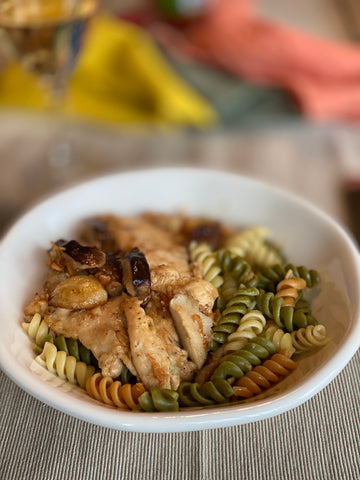
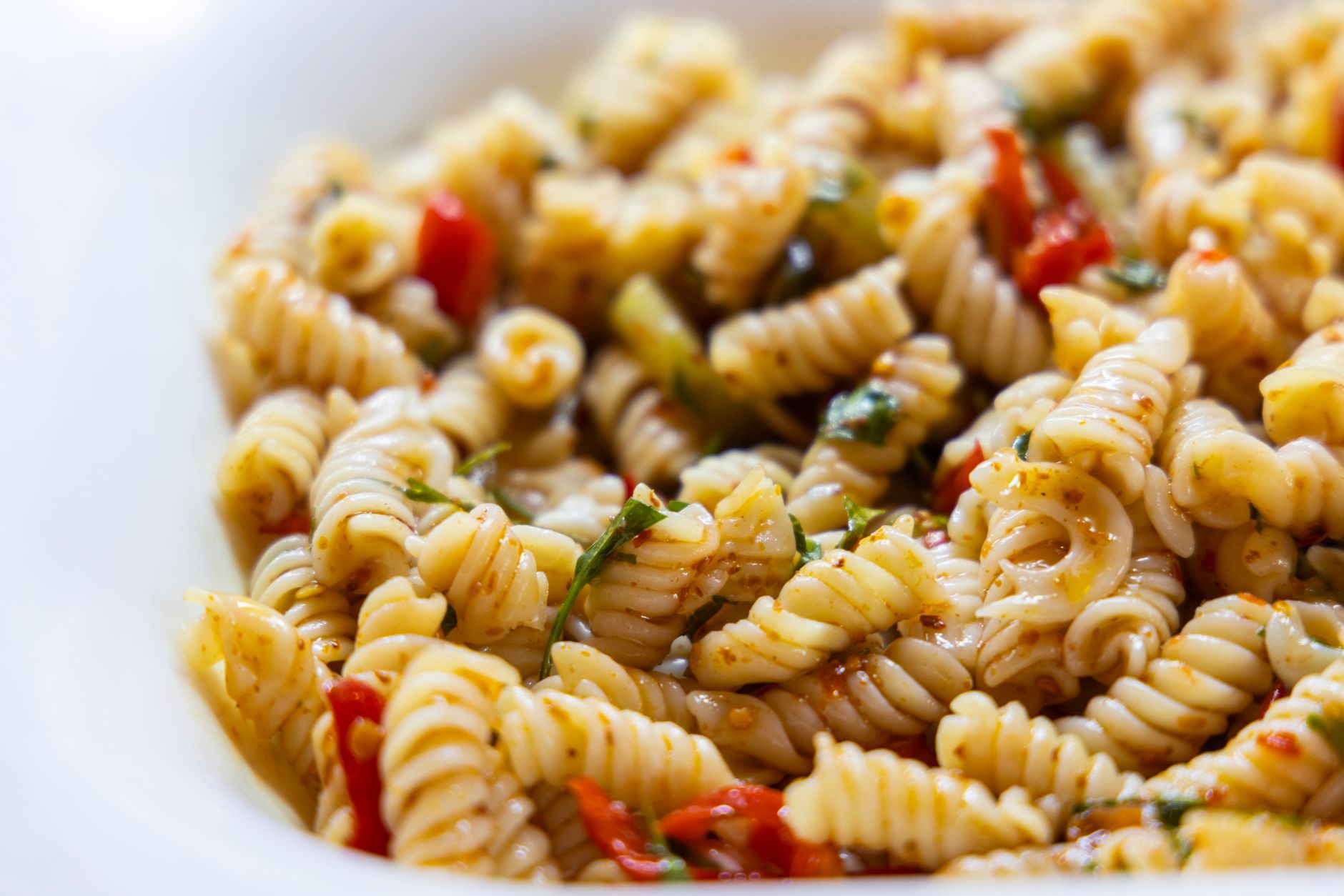
The finished salad has contrasting textures: tender pasta, juicy tomatoes, chewy chicken, soft mozzarella, and a light bite from artichokes and olives. Use rotisserie chicken when you want the fastest route to the table.
Health Benefits & Nutrition
This pasta salad includes a useful mix of protein, carbohydrates, vegetables, and fats. It is satisfying enough for lunch while still tasting bright and fresh.
- Chicken provides protein: Cooked chicken helps make this dish more filling and supports the body’s normal maintenance and repair processes.
- Tomatoes add produce and flavor: Tomatoes contribute water, fiber, and natural sweetness without making the salad heavy.
- Basil and artichokes add variety: Fresh basil brings a strong herbal aroma, while artichoke hearts add a tender, slightly tangy vegetable component.
- Olive oil contributes unsaturated fat: Extra-virgin olive oil gives the dressing a smooth texture and helps carry the flavor of garlic and balsamic vinegar.
Because the recipe includes mozzarella, Parmesan, olives, and prepared artichokes, the sodium can vary considerably between brands. Choose lower-sodium versions if that suits your needs, and season the dressing gradually. People with dairy, gluten, or other food allergies should check package labels and make appropriate substitutions. For personal dietary or medical advice, consult a qualified doctor or dietitian.
A serving is approximately 510 calories, with about 23 grams of protein, 52 grams of carbohydrates, and 24 grams of fat. These figures are estimates and will change with the chicken, pasta, cheese, and dressing brands you use.
Ingredients & Preparation
Recipe Card
| Prep time | 15 minutes |
|---|---|
| Cook time | 20 minutes |
| Total time | 35 minutes |
| Servings | 8 |
| Calories | Approximately 510 per serving |
| Diet tags | High-protein, make-ahead, omnivore |
Full ingredient list
- 1 pound uncooked short pasta, such as gemelli or bow ties
- 3 cups diced tomatoes
- 1 cup mini mozzarella balls, halved
- 2 cups diced cooked chicken
- 1 cup fresh basil leaves
- 1/2 cup marinated artichoke hearts, quartered
- 1/3 cup sliced black olives
- 1/3 cup shredded Parmesan cheese
- 1/4 cup balsamic vinegar
- 2 garlic cloves, minced
- 1 tablespoon honey
- 1/2 cup extra-virgin olive oil
- 1 teaspoon kosher salt, plus more for the pasta water
- 1/2 teaspoon freshly ground black pepper
Equipment needed
- Large pot for cooking the pasta
- Colander
- Large mixing bowl
- Small bowl or glass measuring cup for the dressing
- Whisk
- Chef’s knife and cutting board
Tips for choosing quality ingredients
Choose short pasta with ridges, folds, or curves. Gemelli, bow ties, fusilli, and rotini all hold the dressing well. Avoid very smooth shapes, which can leave most of the vinaigrette at the bottom of the bowl.
Small ripe tomatoes are ideal because they are sweet and easy to cut into bite-size pieces. If tomatoes feel very watery, remove some of the seeds before dicing. Fresh basil should have vibrant green leaves without dark, wilted edges.
For the chicken, use leftover roasted chicken, poached chicken, or a rotisserie bird. I prefer a mix of breast and thigh meat because the darker meat stays moist after refrigeration. Mini mozzarella balls save time, but a fresh mozzarella log cut into small pieces works just as well.
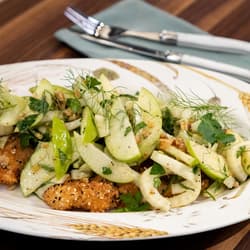
For a visual guide to another chicken-centered meal, see this Spatchcocked cornish hen with baby leaf salad and sourdough croutons recipe 2118667.

Step-by-Step Instructions
1. Cook the pasta for 10 to 12 minutes
Bring a large pot of water to a rolling boil over high heat. Add enough kosher salt for the water to taste lightly seasoned, then add the pasta. Cook according to the package directions, usually 10 to 12 minutes, until al dente.
The pasta should be tender in the center but still offer slight resistance when you bite it. Drain immediately. Do not rinse unless you plan to serve the salad very cold, because a little surface starch helps the dressing cling.
2. Cool the pasta for 10 minutes
Transfer the drained pasta to a large mixing bowl and let it cool for 10 minutes at room temperature. Stir once or twice so steam can escape. The pasta should feel warm rather than hot before the cheese and basil go in.
The first time I made this, I tossed everything together while the pasta was steaming. The mozzarella softened too much, and the basil darkened quickly. A brief cooling period prevents both problems.
3. Combine the salad ingredients for 5 minutes
Add the diced tomatoes, halved mozzarella, cooked chicken, basil, artichoke hearts, sliced olives, and Parmesan to the warm pasta. Toss gently for about 1 minute, just until the ingredients are evenly distributed.
Use a light hand with the basil. Large leaves can be torn in half, while smaller leaves can remain whole. The tomatoes should stay intact rather than becoming crushed against the warm pasta.
4. Whisk the dressing for 3 minutes
In a small bowl, whisk together the balsamic vinegar, minced garlic, honey, kosher salt, and black pepper for 30 seconds. Slowly pour in the olive oil over the next 60 to 90 seconds while whisking continuously.
The dressing is ready when it looks slightly thickened and glossy, with no large layer of oil sitting on top. You should smell the sharp balsamic aroma first, followed by the garlic and fruity olive oil.
5. Dress and rest the salad for 5 minutes
Pour the dressing over the pasta mixture and toss for 1 to 2 minutes. Let the salad stand for 5 minutes before serving so the pasta can absorb some of the vinaigrette. Serve warm, at room temperature, or chilled.
If making it ahead, reserve 2 tablespoons of dressing before tossing. Add that reserved dressing just before serving, especially if the salad has been refrigerated overnight.

Variations & Substitutions
- Use different chicken: Replace the 2 cups of cooked chicken with 2 cups of shredded turkey, grilled chicken, or leftover lemon-roasted chicken. Avoid using raw chicken in this assembly recipe; cook it separately until fully done, then cool and dice it.
- Make it vegetarian: Omit the chicken and add 1 1/2 cups of drained chickpeas or an extra 1 cup of mozzarella. The chickpeas add substance without changing the dressing ratio.
- Swap the pasta: Use 1 pound of whole-wheat rotini, chickpea pasta, or gluten-free short pasta. Gluten-free pasta can become soft more quickly, so begin checking it 2 minutes before the package’s suggested time.
- Change the tomatoes: Substitute 3 cups of halved cherry or grape tomatoes for the diced tomatoes. Very large tomatoes can release excess juice, so drain them briefly after cutting.
- Adjust the cheese: Replace the mozzarella with 1 cup of crumbled feta. Feta is saltier, so reduce the added kosher salt to 1/2 teaspoon and taste before adding more.
- Make it more herb-forward: Add 2 tablespoons of chopped fresh parsley with the basil. You can also replace up to 1/4 cup of the basil with parsley, but do not replace all the basil if you want the classic bruschetta flavor.
- Use a sweeter dressing: Increase the honey from 1 tablespoon to 1 1/2 tablespoons if your balsamic vinegar is especially sharp. Add the extra honey only after tasting the mixed dressing.
Storage & Shelf Life
Store the finished salad in an airtight container in the refrigerator for up to 3 days. Keep the refrigerator at 40°F or below, and refrigerate the dish within 2 hours of serving. If the room is above 90°F, refrigerate it within 1 hour.
For the best texture, store the basil separately when preparing the salad more than a few hours ahead. Add fresh basil and a splash of reserved dressing immediately before serving. The pasta firms up when cold, so let the salad sit at room temperature for 15 to 20 minutes and toss again before eating.
Freezing is not recommended. The tomatoes become watery, mozzarella can turn rubbery, and the dressing may separate after thawing. If you need to work ahead, cook the pasta and chicken separately, refrigerate them, and assemble the salad within 24 hours.
Discard the salad if it develops a sour or unpleasant odor, slimy chicken, mold, bubbling, or an unusual change in color. Do not taste food to determine whether it is safe.
Pro Tips
Salt the pasta water well. The noodles are seasoned from the inside as they cook. This creates a more balanced salad than adding a large amount of salt to the finished dressing.
Cool without over-chilling. Warm pasta absorbs flavor efficiently, but very hot pasta damages basil and softens mozzarella. Ten minutes in a wide bowl gives you a useful middle ground.
Cut ingredients to similar sizes. Aim for tomato, chicken, and artichoke pieces that are close to the size of the pasta. This makes each serving easier to eat and distributes the dressing more evenly.
Whisk the oil in slowly. Adding olive oil in a thin stream helps the vinegar, honey, and oil combine into a smoother dressing. If the vinaigrette separates later, whisk it again for 10 seconds before using.
Protect the basil from staining. Tear or slice the leaves shortly before serving. Acidic balsamic dressing can darken cut basil, especially when the leaves sit in the salad overnight.
Balance before serving. Taste after the salad has rested for 5 minutes. Add a splash of balsamic vinegar for brightness, a drizzle of olive oil for softness, or black pepper for warmth. Add salt carefully because Parmesan, olives, and artichokes already contribute saltiness.
Do not drown the pasta. The amount of dressing is enough for a well-coated salad. Adding extra oil before the pasta has absorbed the first coating can make the finished dish greasy rather than flavorful.
Questions & Answers
When is the best time to eat Bruschetta Pasta Salad With Chicken?
The best time to eat this salad is after it rests for 5 minutes, either warm, at room temperature, or chilled. Serving it immediately gives the brightest tomato flavor, while refrigerating it for several hours allows the dressing to soak into the pasta. Add reserved dressing and fresh basil before serving.
Can I make this pasta salad the day before?
Yes, you can make it up to 1 day ahead and store it covered in the refrigerator. For the freshest result, leave out the basil and reserve 2 tablespoons of dressing. Stir both into the salad shortly before serving, then taste and adjust the seasoning.
Can I use rotisserie chicken?
Yes, rotisserie chicken is a convenient choice for this recipe. Remove the skin and bones, then measure 2 cups of diced meat. A mixture of breast and thigh meat provides good flavor and moisture, but either cut works on its own.
Should I rinse the pasta for this salad?
You do not need to rinse the pasta if you are serving the salad warm or at room temperature. Draining it well preserves a little surface starch, which helps the dressing cling. For a very cold salad, a quick rinse under cool water can stop cooking and prevent sticking.
What pasta shape works best?
Gemelli, rotini, fusilli, bow ties, and small shells work especially well. Their curves and ridges catch the balsamic dressing, herbs, and small vegetable pieces. Avoid long spaghetti or linguine because the ingredients will not distribute as evenly.
How can I keep the mozzarella from becoming soft?
Let the pasta cool for about 10 minutes before adding the mozzarella. Using chilled mini mozzarella balls also helps. If your pasta is still hot enough to produce visible steam, wait a few more minutes before combining the ingredients.
Can I serve this without chicken?
Yes, you can omit the chicken for a vegetarian pasta salad. Add 1 1/2 cups of drained chickpeas, extra mozzarella, or white beans to maintain a hearty texture. Keep the dressing quantities the same, then adjust salt after adding the replacement ingredient.
More Recipes You Will Love
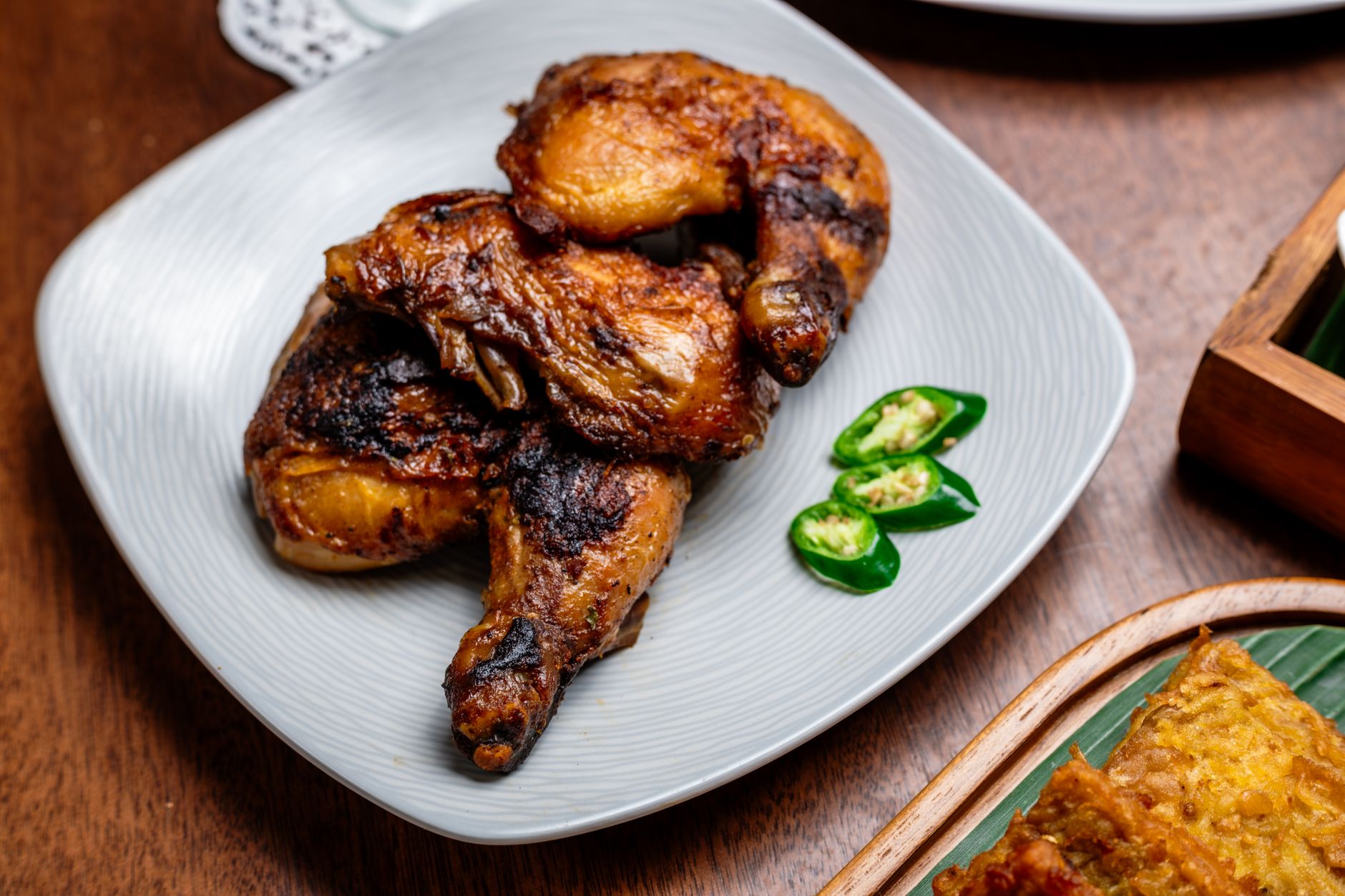
If you enjoy fresh herbs, savory chicken, and a colorful plate, try this Baked chicken with green spinach horseradish sauce recipe 1946949. It brings a bolder sauce and warm, oven-baked comfort to the table.
For another meal with crisp greens and hearty chicken, the Spatchcocked cornish hen with baby leaf salad and sourdough croutons recipe 2118667 is a satisfying option for a weekend dinner.
You can also use the same balsamic dressing with roasted vegetables, white beans, or a simple green salad. Its sweet-tangy flavor is versatile enough for several easy lunches.
Conclusion
Bruschetta Pasta Salad with Chicken brings together ripe tomatoes, basil, mozzarella, tender chicken, and a glossy balsamic dressing in one generous bowl. The recipe is flexible, make-ahead friendly, and easy to adapt with the ingredients already in your kitchen. Let the pasta cool briefly, reserve a little dressing, and add the basil near serving time for the freshest texture. If you make it, leave a comment or rating and share which variation you tried.
FAQs
When is the best time to eat Bruschetta Pasta Salad With Chicken?
The best time to eat Bruschetta Pasta Salad With Chicken is for lunch, a picnic, or a weeknight dinner, served warm, chilled, or at room temperature. The salad is designed to taste good at any of those temperatures. Because the pasta absorbs dressing as it cools, add a little reserved dressing before serving. For the best flavor and texture, eat it within three days of making it.
Can you make Bruschetta Pasta Salad With Chicken ahead of time?
Yes, you can make Bruschetta Pasta Salad With Chicken ahead and refrigerate it for up to three days. Store it in an airtight container and keep back some of the dressing. Pasta soaks up liquid as it sits, so stir in the reserved dressing and a splash of olive oil before serving. Add the basil just before serving so it stays bright and fresh.
Why does pasta salad get dry in the fridge?
Pasta salad gets dry in the fridge because the pasta keeps absorbing dressing as it cools. To fix this, stir in a spoonful of reserved dressing or a little extra olive oil before serving. Letting the salad sit at room temperature for a short time before serving also helps the flavors loosen up and feel fresher.
Can I substitute rotisserie chicken in Bruschetta Pasta Salad With Chicken?
Yes, rotisserie chicken is a good substitute for cooked chicken in Bruschetta Pasta Salad With Chicken and is the fastest option. Remove the skin and bones, then dice or shred about 2 cups of meat. Choose a plain or lightly seasoned variety so it does not overpower the balsamic and honey dressing.
Is Bruschetta Pasta Salad With Chicken gluten-free or dairy-free?
No, Bruschetta Pasta Salad With Chicken is not gluten-free or dairy-free as written, because it contains wheat pasta, mozzarella, and Parmesan. You can use gluten-free pasta and omit or swap the cheeses to adjust it. Check package labels on artichokes, olives, and dressing ingredients, and consult a doctor or dietitian for personal dietary needs.