Most people dont realize that a brown bolete isnt just another fuzzycap you stumble on while hiking its a mushroom you can actually eat, if you know how to spot it and handle it right. In the next few minutes youll get the quick facts you need to identify, judge safety, and cook this browncapped friend without guessing. No fluff, just what you asked for.
Quick Overview
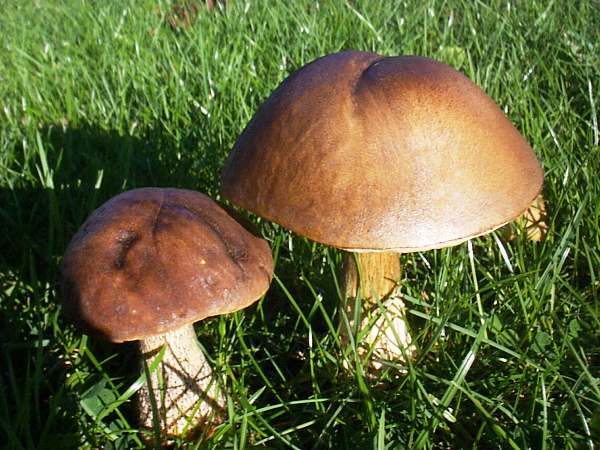
The brown bolete, commonly called the brown birch bolete or Leccinum scabrum, is a friendly mushroom that loves hanging out under birch trees in early summer. Its cap ranges from light tan to deep chocolate, and the stem is covered in tiny, dark, warty scabs that feel like sandpaper. Foragers love it because its abundant, cheap, and, when cooked properly, surprisingly tasty.
How to Identify
Key Visual Clues
When youre walking a birchlined trail, keep an eye out for these hallmarks:
- Cap: 515cm wide, brownorange, smooth when dry but often a bit sticky after rain.
- Pores: Tiny, offwhite pores that turn a darker brown when you press them. They never turn blue a handy notoxic sign.
- Stem: Dark brown, sturdy, and covered in fine, raised scabs (the scabrous texture that gives the genus Leccinum its name).
- Habitat: Grows in loose, loamy soil under birch (Betula) sometimes also under aspen.
Confirming Birch Association
The simplest test is to look at the surrounding trees. If youre under a stand of birch and see the scabstudded stem, youre likely looking at a brown birch bolete. A quick check with a hand lens (10 magnification) will reveal the tiny scabs that set it apart from lookalikes.
Tools That Help
A pocketsize field guide, a reliable mushroomidentification app, or even a fresh sporeprint can boost confidence. When you rub the pores onto a piece of white paper, they should leave a light, brownish imprint another nontoxic clue.
Photo Checklist (Insert images when publishing)
| Feature | What to Look For |
|---|---|
| Cap Color | Light tan deep chocolate |
| Pore Reaction | Turns darker brown when bruised |
| Stem Texture | Fine sandpaperlike scabs |
| Tree Partner | Birch, occasionally aspen |
LookAlikes Guide
Even seasoned foragers can be fooled by mushrooms that wear a similar coat. Heres a quick rundown of the most common doppelgngers and how to keep them from crashing your dinner.
Typical Confusers
- Bitter Bolete: Similar cap, but pores turn pinkish when bruised and the taste is sharply bitter.
- Orange Birch Bolete: Brighter orange cap, slightly lilactinged pores edible, but distinct.
- Bay Bolete (Imleria badia): Darker, almost blackish cap, and a more rubbery stem.
- Beech Bolete: Grows under beech, not birch, and shows a lighter, almost pinkish stem.
RedFlag Test
If youre unsure, give a tiny piece a chew. A bitter or metallic flavor means stop. Spit it out this oldschool test has saved many a forager from an upset stomach.
Comparison Table
| Feature | Brown Bolete | Bitter Bolete | Orange Birch Bolete | Bay Bolete |
|---|---|---|---|---|
| Cap Color | Tanbrown | Browngray | Bright orange | Dark brownblack |
| Pore Bruise | Darkens | Turns pink | Lightens | No change |
| Stem Scabs | Present | Fewer | Present | Absent |
| Tree Partner | Birch | Various | Birch | Beech |
Edibility & Benefits
Is It Truly Edible?
Yes! The brown birch bolete is widely regarded as a good edible mushroom. Sources such as regional forestry guides and reputable mycological societies list it as safe when cooked. The flavor is mild, nutty, and best described as earthy broth perfect for soups and stews.
Nutritional Highlights
While not a superfood, it still packs a respectable punch: roughly 3g of protein per 100g, a solid dose of Bvitamins, and antioxidants that help fight free radicals. A study from the nutrition database notes that many wild mushrooms, including boletus species, provide more micronutrients per calorie than most cultivated vegetables.
Common Pitfalls
The biggest mistake is undercooking. The stem can stay rubbery and may cause mild stomach upset if eaten raw or only lightly sauted. A good rule of thumb: give the mushrooms at least 10minutes of boiling or simmering before any finishing touches.
Chefs Tip
Always parboil for 10minutes before sauting it softens the fibrous stem and releases the best flavor, says a seasoned foragerturnedchef.
Cooking Safely
Drying vs. Fresh
Drying extends shelflife and intensifies the nutty notes. If you have a food dehydrator, set it to 45C for 68hours. Rehydrate the dried caps in warm water for 15minutes before cooking. Fresh mushrooms are tender but have a higher water content, which can dilute sauces.
Simple Starter Recipe
Cream of Brown Bolete Soup
- Parboil 300g of sliced brown boletus for 10minutes, drain.
- Saut a diced onion and two garlic cloves in butter until translucent.
- Add the boiled mushrooms, a splash of white wine, and simmer 5minutes.
- Stir in 500ml vegetable broth, 100ml cream, and a pinch of thyme.
- Blend until smooth, season with salt, pepper, and a drizzle of olive oil.
The result is a velvety, earthy bowl that will make you wonder why you ever bought storebought soup.
Advanced Dishes
If youre feeling fancy, swap the mushroom in a classic risotto for brown bolete ceps. The scabstudded stems add a pleasant bite. You can also blend sauted caps into a pesto for a forestflavored pasta sauce, or toss thin slices into a stirfry with soy, ginger, and sesame oil for an Asian twist.
Harvesting Responsibly
Best Time to Pick
MidJune to earlyJuly, after a light rain, is prime time. Look for caps that are still slightly closed they havent released all their spores yet, which means the flesh is firm.
Leave No Trace
Cut the stem cleanly at the base with a sharp knife, leaving a small portion of the mushroom behind. This practice helps the mycelium keep producing new fruiting bodies. Rotate your foraging spots so the forest isnt overharvested in any one area.
Legal Notes
Many parks require a permit for mushroom collection, and some reserves ban it altogether. Always check local regulations a quick phone call to the park office can save you a fine.
Common Questions
Can I Eat It Raw?
Nope. The brown bolete must be cooked. Raw tissue contains heatlabile compounds that can irritate the gut.
How Does It Differ From Porcini?
Porcini (Boletus edulis) is larger, with a more robust, chestnutbrown cap and a thick, spongy stem. Flavorwise, porcini is richer and more aromatic, while brown bolete is milder and slightly nutty.
Is brown birch bolete edible the Same As brown birch bolete edible?
Exactly theyre just two ways of phrasing the same query. The consensus remains: yes, its edible when cooked.
Can I Store Fresh Boletes in the Fridge?
Yes, but only for up to three days. For longer storage, slice and freeze them in a single layer, or dry them as described above.
Trusted Sources & Further Reading
For deeper dives, consult the mycological resources and reputable field guides such as Mushrooms of the Northeast by Miller. Government resources like the USDA Forest Service also provide regionspecific foraging maps and safety guidelines.
Conclusion
To sum it all up: identify the brown bolete confidently by its brown cap, scabbed stem, and birch partnership; respect its edibility limits by cooking it thoroughly and avoiding raw consumption; and forage responsibly by picking at the right time, leaving part of the mushroom behind, and obeying local rules. Next time youre under a birch, keep an eye out you might just spot a brown bolete waiting to become a delicious part of your kitchen.
FAQs
How can I be sure the mushroom I found is a brown bolete?
Check for a brown to tan cap, fine sandpaper‑like scabs on the stem, off‑white pores that darken when bruised, and growth under birch trees.
Is it safe to eat brown bolete raw?
No. The brown bolete must be cooked because raw tissue contains heat‑labile compounds that can irritate the gut.
What is the best way to cook brown bolete to avoid stomach upset?
Parboil the mushrooms for at least 10 minutes before sautéing or adding them to soups and stews to soften the stem and remove any irritating substances.
Can I dry brown bolete for later use?
Yes. Dry at about 45 °C (113 °F) for 6–8 hours, then rehydrate in warm water for 15 minutes before cooking.
When is the ideal time of year to harvest brown bolete?
Mid‑June to early July, after a light rain, when caps are still slightly closed and the flesh is firm.