Why Choose This Baked Potatoes Recipe?
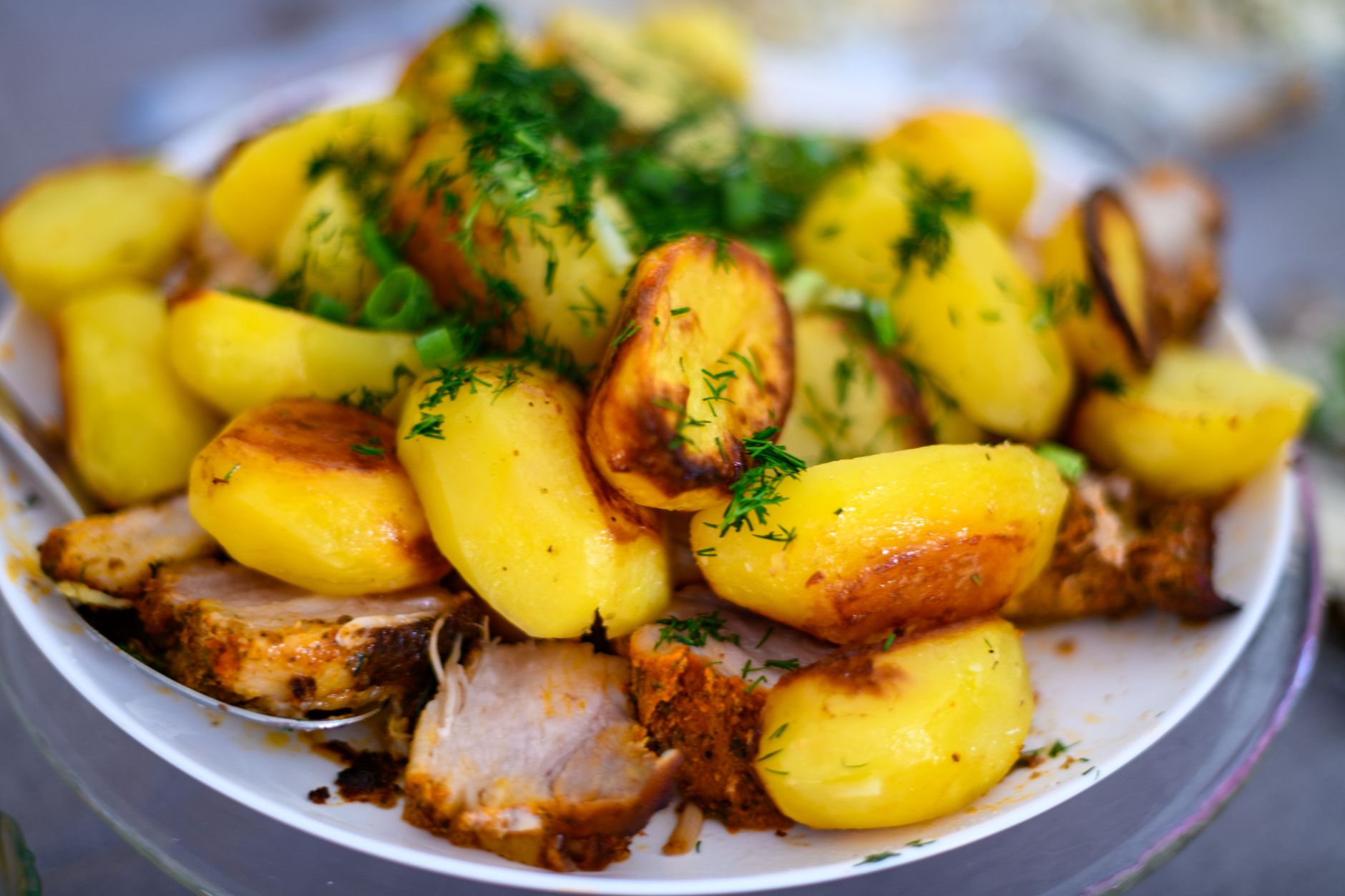
Imagine biting into a baked potato with a crispy, golden skin that crackles softly, giving way to a warm, fluffy inside bursting with buttery goodness. This baked potatoes recipe captures that perfect balance, elevating a humble spud into a comforting dish. Whether you‘re craving a simple side or a hearty snack, these tender potatoes bring out natural earthy flavors with an irresistible aroma that fills your kitchen. Baking, rather than microwaving or boiling, locks in moisture while creating a delectably crisp crust that makes every bite satisfying.
Health Benefits & Nutrition
Baked potatoes are far more than just comfort food. They‘re packed with nutrients and provide several health benefits:
- Rich in fiber: The skin offers about 3 grams of dietary fiber, promoting healthy digestion and supporting heart health (American Journal of Clinical Nutrition).
- High in potassium: A single medium potato contains nearly 20% of your daily potassium needs, essential for blood pressure regulation.
- Source of Vitamin C: Potatoes contain immune-boosting vitamin C, aiding collagen synthesis and skin health.
- Natural energy: Their complex carbohydrates provide steady energy release, making them a smart choice for sustained fuel.
For those with specific conditions, such as kidney disease, it‘s important to monitor potassium intake. Otherwise, baked potatoes are generally safe, gluten-free, and suitable for many diets.
Ingredients & Preparation
Recipe Card
| Prep Time | Total Time | Servings | Calories | Diet Tags |
|---|---|---|---|---|
| 5 minutes | 1 hour 5 minutes | 4 | 219 kcal per serving | Gluten-Free, Vegetarian |
Full Ingredient List
- 4 large Idaho russet potatoes
- Unsalted butter (to taste)
- Kosher salt
- Freshly ground black pepper
Equipment Needed
- Conventional oven
- Baking rack or oven-safe wire rack
- Skewer or fork for testing doneness
- Knife for slicing
Tips for Choosing Quality Ingredients
Pick Idaho russet potatoes that are firm with no green spots or sprouts, ensuring fluffy flesh after baking. The skin should be dry and unblemished for crispiness. Use high-quality unsalted butter to control salt levels and enhance creaminess. Freshly ground black pepper offers a sharper, brighter flavor than pre-ground options. Kosher salt’s coarse grain helps season the skin evenly without overpowering.
Step-by-Step Instructions
Step 1: Preheat Oven to 350°F (177°C)
Allow your oven to reach a steady 350 degrees before placing the potatoes inside. This temperature gently cooks the tubers evenly, ensuring fluffy centers.
Step 2: Prepare Potatoes
Wash and scrub the potatoes thoroughly under cold water to remove dirt. Dry them completely — moisture prevents crispy skin.
Step 3: Bake on Rack for 45 to 60 Minutes
Place potatoes directly on the oven rack or on a wire rack placed over a baking sheet. Bake for 45 to 60 minutes, depending on size, until a skewer slides in easily without resistance.
Step 4: Slice, Season, and Serve
Remove potatoes and slice lengthwise down the center. Gently squeeze each end to fluff the interior. Add a pat of unsalted butter, sprinkle kosher salt and freshly ground pepper to taste. Serve hot for the best experience.
Variations & Substitutions
- Loaded Baked Potatoes: Top with sour cream, shredded cheese, chopped green onions, and crispy bacon for a hearty twist.
- Herb Butter: Mix softened butter with fresh herbs like chives or rosemary to add fragrant notes.
- Sweet Potato Substitution: Swap russet for sweet potatoes for a naturally sweeter flavor and higher vitamin A content. Bake at 375°F (190°C) for about 50 minutes.
- Vegan Version: Replace butter with olive oil or vegan margarine for a dairy-free option.
Storage & Shelf Life
In the Refrigerator: Cooked baked potatoes can be stored in an airtight container for up to 4 days. Cool them completely before refrigerating.
Freezing: Though not ideal for preserving crispiness, you can freeze scooped potato flesh mixed with butter in freezer-safe containers for up to 3 months. Thaw overnight and reheat gently.
Signs of Spoilage: Avoid eating potatoes with black spots, sour smell, or slimy texture. Sprouts indicate age but can be cut off if the rest of the potato is firm.
Pro Tips for Perfect Baked Potatoes
- Dry Skin Means Crisp Skin: After washing, pat potatoes completely dry to help the skin crisp.
- Pierce or Not? Avoid piercing before baking; intact skin holds moisture while baking for fluffier insides.
- Coat with Oil: Lightly rubbing the skin with olive oil before baking enhances crackly texture if you prefer extra crispness.
- Test Doneness with a Skewer: When pierced easily through the middle, potatoes are perfectly cooked.
- Flavor Boost: Finish baked potatoes with compound butters—mix herbs, garlic, or spices into softened butter for fresh aromas.

When is the best time to eat Baked Potatoes Recipe?
The best time to eat baked potatoes is fresh out of the oven when the skin is crisp and the inside is steaming fluffy. This ensures the ideal texture and flavor. They work wonderfully as a side during lunch or dinner or as a satisfying snack in between meals.
Can I prepare baked potatoes ahead of time?
You can bake potatoes a day in advance and refrigerate them. Reheat in the oven at 350°F for about 15 minutes to restore crispness. Avoid microwaving to prevent soggy skins.
Are there specific potato varieties best for baking?
Russet potatoes are preferred for baking due to their high starch content and thick skin. This results in a fluffy interior with a crispy outer shell.
How do I keep the potato skin crispy after baking?
After baking, keep potatoes warm directly on the oven rack uncovered to maintain crispness. Wrapping in foil will soften the skin.
Can I use sweet potatoes instead?
Yes, sweet potatoes offer a delicious alternative. Bake at a slightly higher temperature (375°F) for around 50 minutes. Their texture is softer, and flavor sweeter.
Is it necessary to add butter?
Butter enriches flavor and adds moisture, but you can substitute with olive oil or plant-based butter for dairy-free options.
How long can baked potatoes sit out safely?
Do not let baked potatoes sit at room temperature for more than 2 hours to prevent bacterial growth. Refrigerate promptly.
Can I freeze whole baked potatoes?
Freezing whole baked potatoes is not recommended because it alters texture. Scooped potato flesh freezes better, especially when mixed with butter or cream.
More Recipes You Will Love
After enjoying this baked potatoes recipe, try experimenting with delicious sides like the Best ever shortcrust pastry recipe for savory pies, a perfect pairing to your potato dish. For a savory history dive, learn Who invented meat pies—another classic staple worthy of your kitchen adventures.
Conclusion
This baked potatoes recipe brings simple ingredients together in a way that delights your senses with every bite. Crispy skin, fluffy insides, and customizable toppings make it a timeless favorite. Share your tweaks and results in the comments below—we’d love to hear how you make this recipe your own. Happy baking!
FAQs
When is the best time to eat Baked Potatoes Recipe?
The best time to enjoy baked potatoes is as a comforting side dish for lunch or dinner. They also make a hearty snack. Their warmth and fullness make them ideal during cooler months or whenever you want a satisfying, nutritious meal.
How can I tell when baked potatoes are fully cooked?
Baked potatoes are done when a skewer or fork slides in easily without resistance. The skin should be crispy and golden while the inside turns soft and fluffy. Cooking time usually ranges between 45 to 60 minutes depending on potato size.
Can I prepare baked potatoes ahead of time?
Yes, you can bake potatoes ahead and warm them up before serving. Store cooled baked potatoes wrapped in foil in the refrigerator for up to 3 days. Reheat in the oven at 350°F for about 15-20 minutes to restore crispiness.
What are some healthy toppings for baked potatoes?
Healthy toppings include plain Greek yogurt instead of sour cream, steamed veggies, fresh herbs, or a small amount of olive oil and spices. These additions boost nutrition without heavy calories or saturated fats.
Is baking better than microwaving potatoes?
Baking produces crispier skins and fluffier interiors by cooking evenly with dry heat, whereas microwaving tends to produce softer skins and less flavor depth. Baking also locks in moisture without becoming soggy.