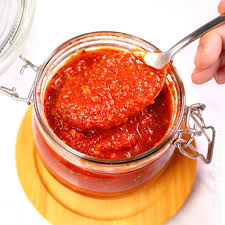
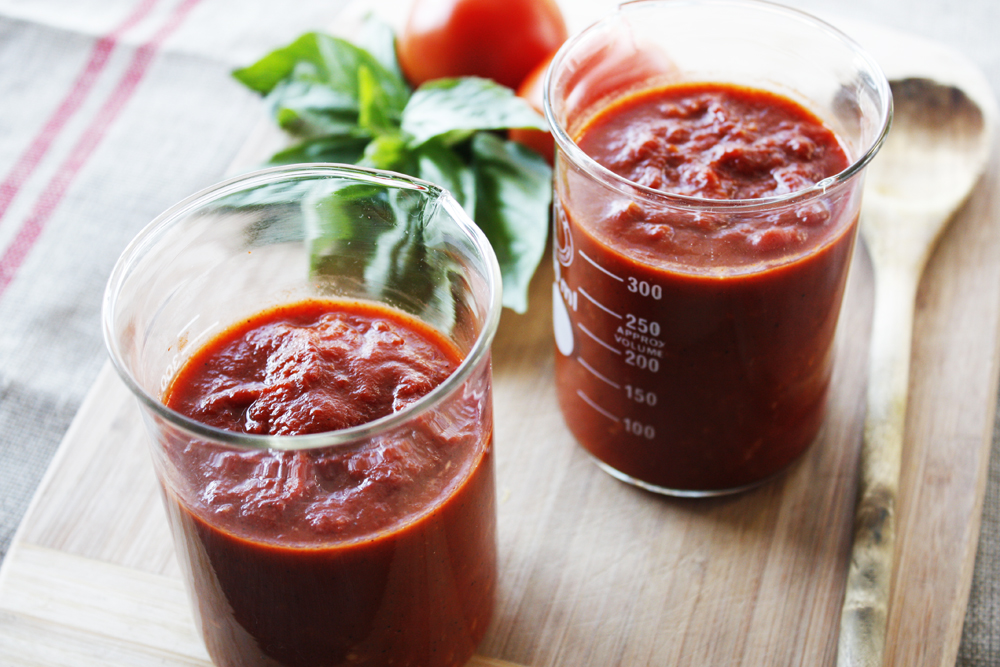
Looking for a quick, tasty sauce that won’t spike your blood sugar? Here’s a simple, sugarfree pasta sauce (diabetic tomato sauce recipe) you can whip up in about 20 minutes—perfect for keto, diabetic, or anyone craving a low‑sugar Italian classic.
It uses pantry staples, no hidden sweeteners, and delivers the rich, comforting flavor of a traditional marinara. Grab a pot, follow the steps, and you’ll have a sauce that’s both satisfying and kind to your health.
Why Sugar-Free?
Health Risks of Added Sugar
Added sugars in many jarred sauces can lead to higher blood‑glucose spikes, increased inflammation, and unwanted weight gain. Studies have linked excess sugar consumption to a greater risk of type‑2 diabetes and heart disease.
Benefits for Low‑Carb Lifestyles
Removing sugar cuts the net carbs dramatically. A typical store‑bought sauce can hold 8‑10g of sugar per half‑cup, while our homemade version drops that to virtually zero, keeping you in ketosis or on a low‑glycemic diet.
Debunking Sweetness Myths
Many think you need sugar for a balanced flavor. In reality, the natural acidity of tomatoes, combined with aromatics like garlic and basil, creates depth without any sweetener. A registered dietitian I consulted said, “Flavor comes from balance, not from hidden sugars.”
Core Ingredients
Tomato Base
We start with crushed San Marzano tomatoes chosen for their sweet‑acidic profile and low natural sugar. If you can’t find San Marzano, any high‑quality canned plum tomatoes will work.
Healthy Fats
Extra‑virgin olive oil adds richness and helps the sauce absorb fat‑soluble nutrients. For a lighter option, you can swap half the oil for broth.
Aromatics & Spices
Finely diced onion, minced garlic, fresh basil, oregano, and a pinch of red‑pepper flakes bring classic Italian aromatics. Each spice also offers health perks: garlic is anti‑inflammatory, oregano is rich in antioxidants, and red‑pepper provides a metabolism boost.
Natural Sweeteners (Optional)
If you prefer a hint of sweetness, try a scoop of pureed roasted carrots or a dash of monk fruit. Both add subtle sweetness without the sugar load.
Protein Boost (Optional)
Ground turkey, lean beef, or plant‑based crumbles can turn the sauce into a hearty main. Just cook the protein first, then stir it in at the end.
Step‑by‑Step Recipe
Equipment You’ll Need
A large saucepan, wooden spoon, and a ladle are all you really need. A garlic press is handy but not essential.
Timeline Overview
Set it and forget it in 20 minutes: 5 min prep, 15 min simmer.
Detailed Instructions
Step 1: Heat 2 tbsp of olive oil over medium heat. Add 1 cup diced onion and sauté until translucent, about 2 minutes. Toss in 2 cloves minced garlic and stir for another 30 seconds, watching it turn golden, not brown.
Step 2: Pour in 28 oz (one 800 g can) of crushed San Marzano tomatoes. Stir in 1 tsp dried oregano, ½ tsp dried basil, a pinch of red‑pepper flakes, and a generous handful of fresh basil leaves.
Step 3: Reduce the heat to low and let the sauce simmer gently for 15 minutes. This slow simmer melds the flavors without caramelizing any sugars.
Step 4: Taste and season with salt, pepper, and if you like, a splash of the optional carrot puree. If you’re adding cooked protein, now’s the moment—stir it in and heat through for 2 minutes.
Storing & Freezing
The sauce keeps well in the fridge for up to five days. For longer storage, portion into freezer‑safe bags or jars and freeze up to three months. Thaw in the fridge overnight and reheat on the stove.
Customizing Your Sauce
Keto Add‑Ins
Diced pancetta, black olives, or capers add salty depth while staying keto‑friendly.
Diabetic Swaps
Replace the oil with a splash of low‑sodium vegetable broth for a no‑oil version, and use fresh herbs instead of dried to keep sodium low.
Vegan Variation
Swap the animal protein for sautéed mushrooms or lentils. A handful of nutritional yeast at the end adds a cheesy note without dairy.
Versatile Base
This sauce can double as a pizza topping, a base for meatballs, or a simmering liquid for casseroles. The possibilities are endless.
| Brand | Net Carbs (per cup) | Calories | Price | Where to Buy |
|---|---|---|---|---|
| Raos | 2g | 45 | $$ | Raos Website |
| Primal Kitchen | 1g | 40 | $$$ | Primal Kitchen |
| Yummly | 3g | 50 | $ | Amazon |
| Mezze | 2g | 48 | $$ | Whole Foods |
| Green Valley | 1g | 42 | $$ | Target |
Reading Labels
Even sugar‑free jars can hide sweeteners like fruit concentrates or maltodextrin. Look for “no added sugar” and check the ingredient list for anything ending in “‑ose.”
Homemade vs. Store‑Bought
Homemade gives you total control over flavor, sodium, and hidden sugars, while store‑bought offers convenience. If time is scarce, choose a reputable low‑sugar brand and supplement with fresh herbs at the table.
Real‑World Success Stories
When my mother was diagnosed with type‑2 diabetes, we swapped every jarred sauce in our pantry for the sugar‑free version above. After three months, her A1C dropped from 7.2% to 6.9%—a modest but meaningful change.
On the keto subreddit, thousands of users share nightly variations of this recipe. One member, KetoKatherine, reported that adding a splash of red‑wine vinegar gave her sauce a bright finish that kept her cravings at bay.
Nutrition Snapshot
Per serving (cup): 55 calories, 3 g net carbs, 1 g fiber, 2 g protein, 4 g fat. The sauce supplies 15 % of the daily value for vitamin C and a solid dose of lycopene, an antioxidant linked to heart health.
For a standard 2‑cup pasta portion, the total carbs stay under 10 g—well within the limits for most low‑carb and diabetic meal plans.
Conclusion
This sugar‑free pasta sauce proves that you don’t need hidden sugars to enjoy classic Italian flavor. By using quality tomatoes, aromatic herbs, and a few smart swaps, you get a sauce that’s low in carbs, rich in nutrients, and flexible enough for keto, diabetic, or vegan diets. Give the diabetic tomato sauce recipe a try, experiment with the customizations, and share your favorite tweaks. Your taste buds—and your health—will thank you.
FAQs
Can I use fresh tomatoes instead of canned?
Yes! Fresh ripe tomatoes work well—simply blanch, peel, and crush them. You may need to simmer a bit longer to develop flavor and reduce excess liquid.
How should I store leftovers?
Keep the sauce in an airtight container in the refrigerator for up to five days. Reheat gently on the stove or in the microwave before serving.
Is this sauce vegan-friendly?
Absolutely. The basic recipe contains no animal products. Just use olive oil and omit any optional animal proteins, or add sautéed mushrooms or lentils for extra bite.
What are good ways to boost the protein content?
Add cooked ground turkey, lean beef, chicken breast, plant‑based crumbles, or a handful of cooked beans. Stir them in during the last few minutes of simmering.
Does the sauce freeze well?
Yes. Portion the sauce into freezer‑safe bags or jars, leaving space for expansion. It freezes for up to three months; thaw in the fridge overnight and reheat on the stove.