Why Sfogliatella Recipe Is a Must-Try
The first bite of a sfogliatella is an experience of textures and flavors that dance across your palate. Imagine paper-thin, golden layers of dough hugging a creamy, fragrant ricotta filling infused with citrus and cinnamon. This traditional Neapolitan dessert, crafted with delicate care, offers a crispy exterior that crackles to reveal a luscious, aromatic center. A sfogliatella recipe delivers a unique blend of crunchy and creamy that few pastries can match, making it a treasured favorite for dessert lovers chasing that perfect balance of flavor and texture.
Health Benefits & Nutrition
While sfogliatella is unquestionably a treat, it carries modest nutritional benefits when enjoyed mindfully. Ricotta cheese provides a good source of protein and calcium, essential for muscle health and bone strength (Harvard T.H. Chan School of Public Health). The use of semolina flour adds some dietary fiber, supporting digestive health. Additionally, the incorporation of citrus peel offers small amounts of antioxidants that may help reduce inflammation. However, due to its rich butter content and sugar, it is wise to enjoy sfogliatella in moderation, especially for those monitoring cholesterol or blood sugar levels.
Note: This dessert is generally safe but should be approached cautiously by people with dairy allergies or lactose intolerance.
Ingredients & Preparation
Recipe Card
| Prep Time | 1 hour |
|---|---|
| Inactive Time | 3 hours |
| Cook Time | 40 minutes |
| Total Time | 4 hr 40 min |
| Servings | 15–18 pastries |
| Calories (per serving) | 293 kcal |
| Diet Tags | Vegetarian |
Full Ingredient List
- Dough:
- 2 cups all-purpose flour
- 1 cup semolina flour
- 1/8 teaspoon kosher salt
- 1 cup unsalted butter, chilled and cubed
- 1/2 cup water
- 1/4 cup vegetable shortening
- 1 egg, beaten with 1 tablespoon water (for egg wash)
- About 1/2 cup confectioners‘ sugar
- Filling:
- 1 cup whole milk
- 1/4 cup semolina flour
- 1 cup ricotta cheese
- 1 egg
- 1/4 cup granulated sugar
- 2 tablespoons finely chopped candied orange and lemon peel
- Ground cinnamon for dusting
Equipment Needed
- Large mixing bowl
- Food processor (optional for dough mixing)
- Medium saucepan
- Wooden spoon or whisk
- Rolling pin
- Sharp knife
- 2 nonstick baking sheets
- Plastic wrap
- Basting brush
Tips for Choosing Quality Ingredients
- Select fresh ricotta with a creamy, smooth texture for the best filling.
- Use high-quality unsalted butter, as it impacts both flavor and dough flakiness.
- Choose candied citrus peels that are finely chopped and free from excessive artificial coloring.
- Organic or finely milled semolina lends a more delicate texture to both dough and filling.
Step-by-Step Instructions
Step 1: Prepare the Dough (1 hour prep + chilling)
Sift together 2 cups all-purpose flour, 1 cup semolina flour, and 1/8 teaspoon kosher salt in a large bowl. Using your fingers, work in 1 cup chilled, cubed unsalted butter until the mixture resembles coarse peas. Alternatively, pulse dry ingredients with butter in a food processor until blended. Gradually add 1/2 cup water while mixing until a smooth dough forms. Shape into a flat disc, wrap with plastic, and refrigerate for at least 1 hour.
Step 2: Make the Filling (15 minutes + cooling)
Bring 1 cup whole milk to a gentle simmer over medium heat. Slowly whisk in 1/4 cup semolina flour, stirring constantly for 3 to 5 minutes until thickened and smooth. Remove from heat and let cool about 10 minutes. Stir in 1 cup ricotta, 1 egg, 1/4 cup granulated sugar, and 2 tablespoons finely chopped candied citrus peel. Sprinkle with ground cinnamon and mix gently. Chill until ready to use.
Step 3: Form the Dough Rolls (2+ hour chill)
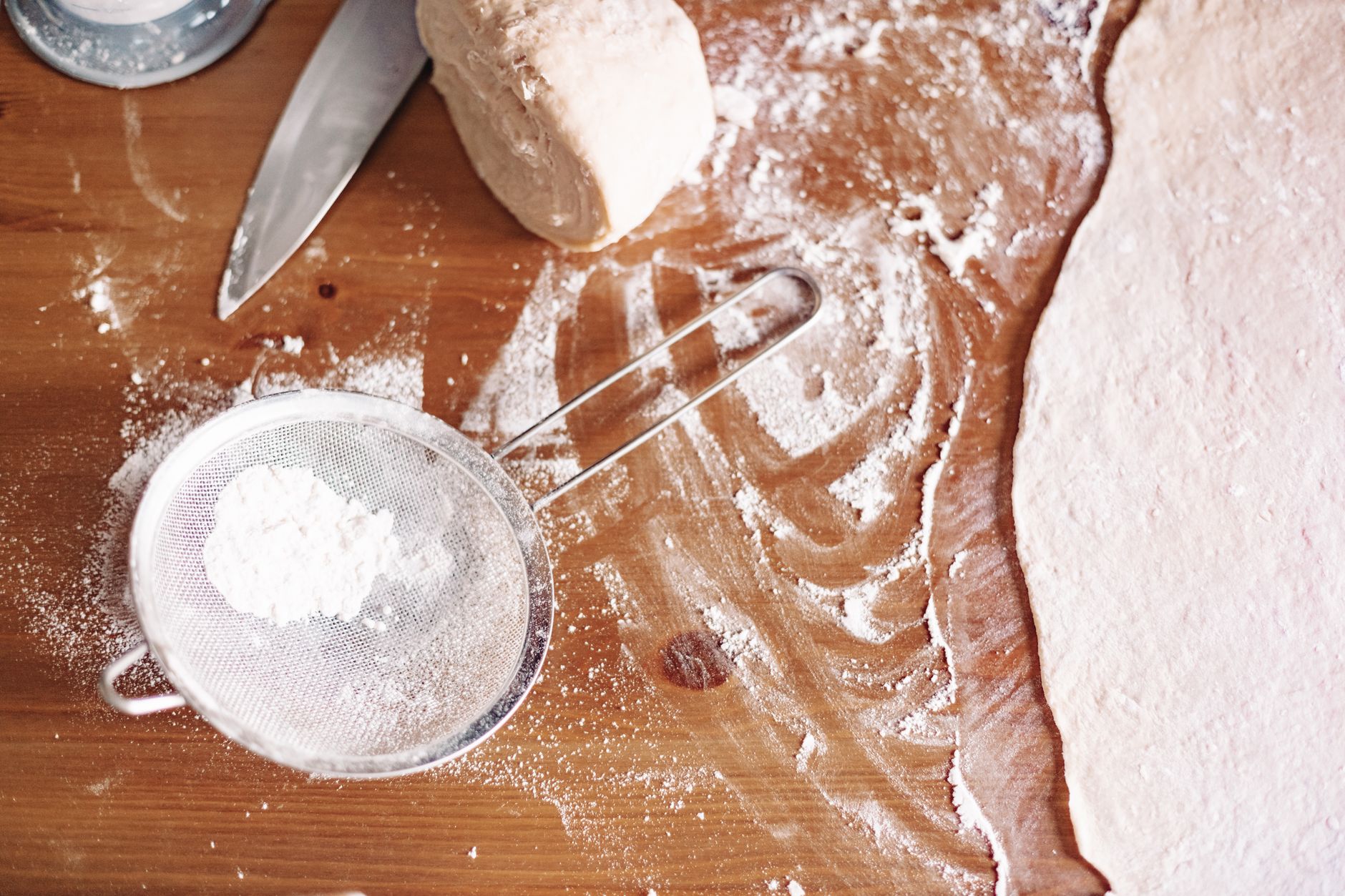
Divide chilled dough in half. On a floured surface, roll one half into a thin rectangle approximately 14 by 24 inches. Brush entire surface with 2 tablespoons vegetable shortening, then sprinkle evenly with about 1/4 cup confectioners‘ sugar. Starting from the shorter edge near you, roll dough tightly into a log. Wrap and refrigerate for at least 2 hours. Repeat with the other half.
Step 4: Shape and Fill Pastries (40 minutes baking)
Preheat oven to 375°F (190°C). Using a sharp knife, cut chilled dough rolls into 1- to 1.5-inch thick rounds. Take one round in your palm, and with your thumb, gently start stretching the middle outward to enlarge the circle without creating holes. Once thin and even, make a slit on one side and carefully spoon in the chilled ricotta filling. Seal edges and arrange pastries with edges up on nonstick baking sheets. Brush tops lightly with egg wash.
Step 5: Bake Until Golden
Bake pastries for 35 to 40 minutes until they turn golden-brown and crisp. Remove from oven and dust with additional confectioners‘ sugar and a light sprinkle of cinnamon. Let cool slightly before serving to enjoy the perfect contrast of crispy layers and creamy filling.
Variations & Substitutions
- Gluten-Free Option: Swap all-purpose flour with a gluten-free pastry blend and ensure semolina is replaced with cornmeal for texture. Adjust water for dough pliability.
- Vegan Version: Use coconut oil or vegan butter in dough and replace ricotta with almond or cashew cream mixed with vegan egg replacer and a touch of sweetener.
- Flavor Twist: Add finely chopped chocolate or toasted nuts such as pistachios or almonds to the filling for extra richness and crunch.
- Lower Sugar: Reduce sugar by half and enhance flavor with a dash of vanilla extract or orange blossom water in the filling.
Storage & Shelf Life
Refrigerator: Store sfogliatella in an airtight container at room temperature for up to 2 days to preserve crispness. For softer texture, refrigeration is fine but consume within 2 days.
Freezer: Freeze unbaked filled pastries sealed tightly for up to 1 month. Bake frozen pastries directly at 375°F for an extra 10 minutes until golden and cooked through. Avoid freezing after baking as texture deteriorates.
Signs of Spoilage: Watch for sogginess, off smells, or mold indicating spoilage. Discard if any unusual changes occur.
Pro Tips
- Dough Thinness: Rolling the dough as thin as possible creates the iconic layers that crisp beautifully—aim for near-translucent dough before rolling.
- Rolling Technique: Rolling the dough tightly ensures defined layers. A slack roll results in denser pastries.
- Filling Temperature: Use filling that’s cool or slightly chilled to prevent dough from becoming soggy during assembly.
- Shaping: Gently stretch dough without tearing to maintain the signature shell shape. Practice patience—this step defines the sfogliatella‘s unique texture.
- Baking: Rotate baking sheets halfway through to achieve even browning and crispness on all pastries.
- Storage Tip: Dust with confectioners‘ sugar right before serving to keep pastries looking fresh and prevent moisture absorption.
When is the best time to eat Sfogliatella Recipe?
Sfogliatella is best enjoyed fresh and slightly warm, ideally within a few hours of baking. The crispy, flaky layers retain their texture and the filling remains creamy and flavorful. Morning or afternoon tea times offer perfect opportunities to savor this treat alongside a cup of espresso or cappuccino.
Can I prepare sfogliatella dough in advance?
Yes, the dough can be prepared and refrigerated for up to 24 hours before shaping. This resting period actually helps relax the gluten, making the dough easier to roll out super thin.
What is the difference between riccia and frolla sfogliatella?
Riccia sfogliatella has the signature flaky, layered dough made through rolling and folding, while frolla uses a shortcrust pastry that is soft and crumbly. Riccia delivers a crispier texture, typical of the classic version.
Can I substitute ricotta with mascarpone?
Mascarpone can substitute ricotta for a richer, creamier filling, but it results in a denser texture. Consider mixing mascarpone with a bit of ricotta or semolina to maintain structure.
How do I prevent the pastry from becoming soggy?
Ensure filling is well chilled and avoid overfilling. Also, rolling the dough very thin and baking immediately after assembly helps keep layers crisp.
Is it possible to freeze full pastries?
It’s best to freeze unbaked filled pastries. Doing so preserves texture and flavor. Frozen baked pastries tend to lose their crispiness and become chewy when thawed.
What drink pairs well with sfogliatella?
Traditional Italian espresso or a lightly sweetened tea pairs beautifully, balancing the pastry’s rich flavors without overpowering the delicate citrus notes.
More Recipes You Will Love
If you enjoy sfogliatella, you’ll appreciate other desserts that combine creamy textures with fresh fruit or citrus accents. For a refreshing palate cleanser, try the Orange sherbet cups with blackberries recipe 2105067. The tangy and sweet flavors complement the richness of traditional Italian pastries.
For a luscious, warm dessert with caramelized flavors, the Bananas foster recipe 1977801 offers a perfect balance of sweetness and spice, making it a delightful option to pair or alternate with your sfogliatella experience.
Conclusion
Mastering this sfogliatella recipe invites you to enjoy the delicate crunch and creamy citrus-kissed filling that define this iconic Italian dessert. The process, while detailed, rewards your patience with pastries that are crisp, golden, and packed with flavor. Share your baking results or variations in the comments. Your feedback and tips help our whole community savor authentic sfogliatella together.
FAQs
When is the best time to eat Sfogliatella Recipe?
Sfogliatella is best enjoyed fresh and warm, ideally for breakfast or as a mid-afternoon treat with coffee or tea. Its crispy layers and sweet filling make it perfect anytime you want a delightful pastry experience.
How should I store leftover sfogliatella to keep it fresh?
Store leftover sfogliatella in an airtight container at room temperature for up to one day to maintain crispiness. For longer storage, refrigerate but reheat before serving to restore its flaky texture.
Can Sfogliatella Recipe be made dairy-free or vegan?
Traditional sfogliatella contains butter, ricotta, and milk, so it is not vegan or dairy-free. However, you can experiment with plant-based butter and ricotta alternatives for a vegan version, though texture and flavor may differ.
What is the origin of sfogliatella pastry?
Sfogliatella originated in Naples, Italy. It dates back to the 17th century and is known for its thin, layered pastry dough filled with a ricotta-based mixture flavored with citrus and cinnamon.
What common mistakes should I avoid when making sfogliatella dough?
Avoid overworking the dough, which can toughen it. Also, ensure the butter is cold to create flaky layers and allow proper chilling time for the dough to relax before rolling and shaping for the best crisp texture.