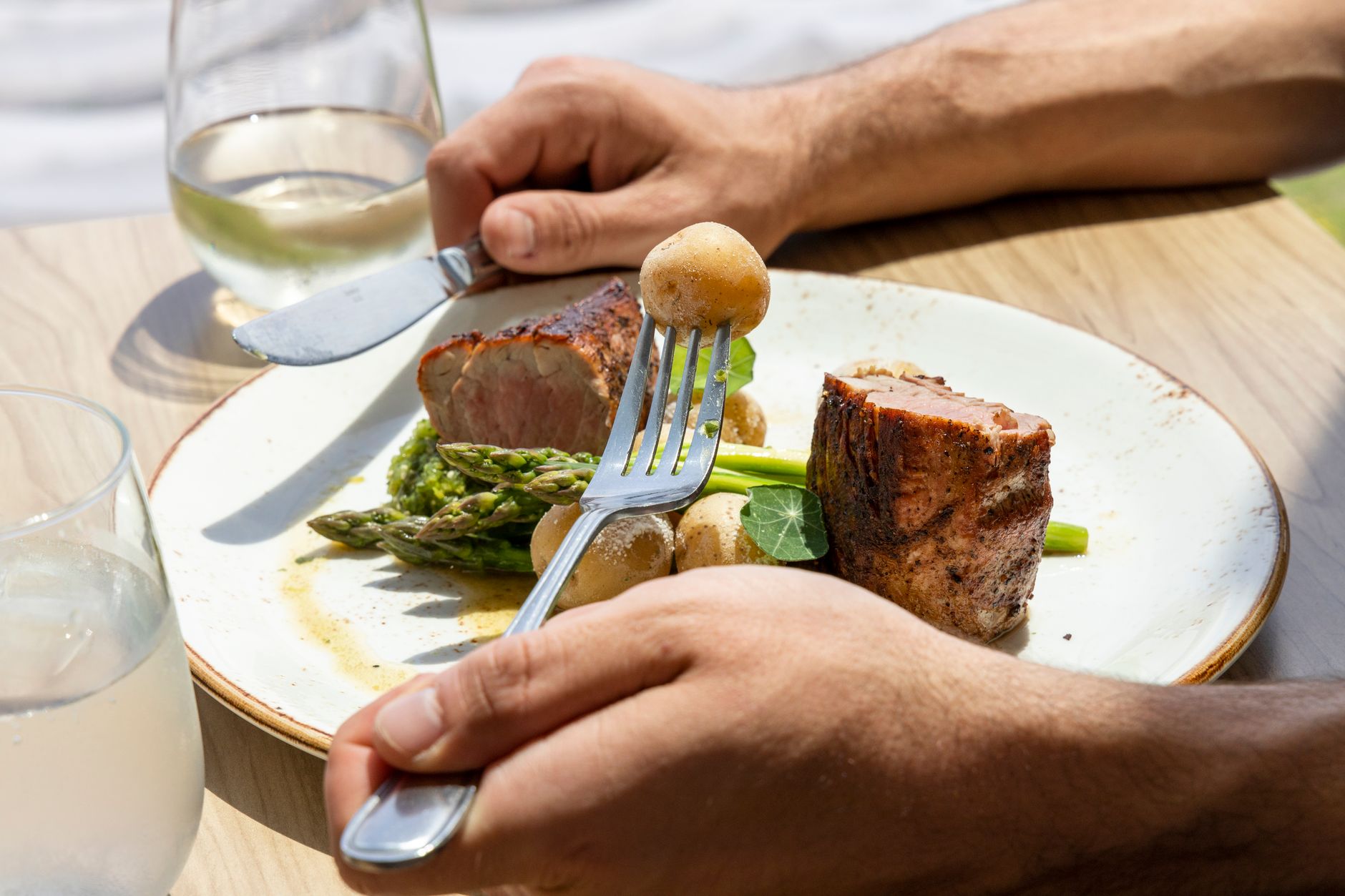
Why Pork Tenderloin with Dijon Brown Sauce?
The sizzle of searing pork tenderloin combined with a rich, tangy Dijon brown sauce creates an unforgettable dinner experience. This recipe delivers juicy, tender slices bursting with bold flavors, perfect for impressing guests or enjoying a comforting meal at home. Pork tenderloin is naturally lean and cooks quickly, making it a smart choice for a dinner that feels gourmet yet remains approachable. The Dijon mustard in the brown sauce adds a sharp, creamy bite that balances the meat‘s earthy richness, offering layers of flavor that will awaken your taste buds.
Health Benefits & Nutrition
Pork tenderloin is a nutrient-dense cut, packed with high-quality protein essential for muscle repair and growth. A typical serving contains about 48 grams of protein, supporting sustained energy and satiety throughout the evening.
It is relatively low in fat, especially saturated fat, making it a heart-friendly option compared to fattier pork cuts. A 2021 study from the American Journal of Clinical Nutrition highlights how lean pork can be part of a healthy diet when consumed in moderation.
The Dijon mustard in the sauce brings antioxidants and compounds like selenium and magnesium, which may help lower inflammation and improve digestion. However, those with mustard allergies or dietary restrictions should avoid the Dijon-based sauce or seek suitable alternatives.
Because this dish contains moderate sodium levels, people with hypertension should enjoy it occasionally and adjust seasoning as needed.
Ingredients & Preparation
Recipe Card
| Prep Time | 20 minutes |
|---|---|
| Inactive Time | 2 hours 10 minutes |
| Cook Time | 55 minutes |
| Total Time | 3 hours 25 minutes |
| Servings | 8 |
| Calories | 303 per serving |
| Diet Tags | Gluten-Free, Low-Carb, High-Protein |
Full Ingredient List
- 1 (4-pound) pork tenderloin
- 3 tablespoons grapeseed oil
- 1/4 cup Dijon mustard
- 1/2 cup roasted garlic pepper seasoning
- 1/4 cup dry white wine
- 16 ounces prepared brown sauce or gravy
- Salt and freshly ground black pepper, to taste
- 1 teaspoon finely chopped fresh rosemary leaves
Equipment Needed
- Large sauté pan with oven-safe handle
- Roasting pan with lid or oven-safe cover
- Utility platter for resting cooked meat
- Sharp carving knife
- Small saucepan (optional)
- Fine mesh strainer
- Paper towels
Tips for Choosing Quality Ingredients
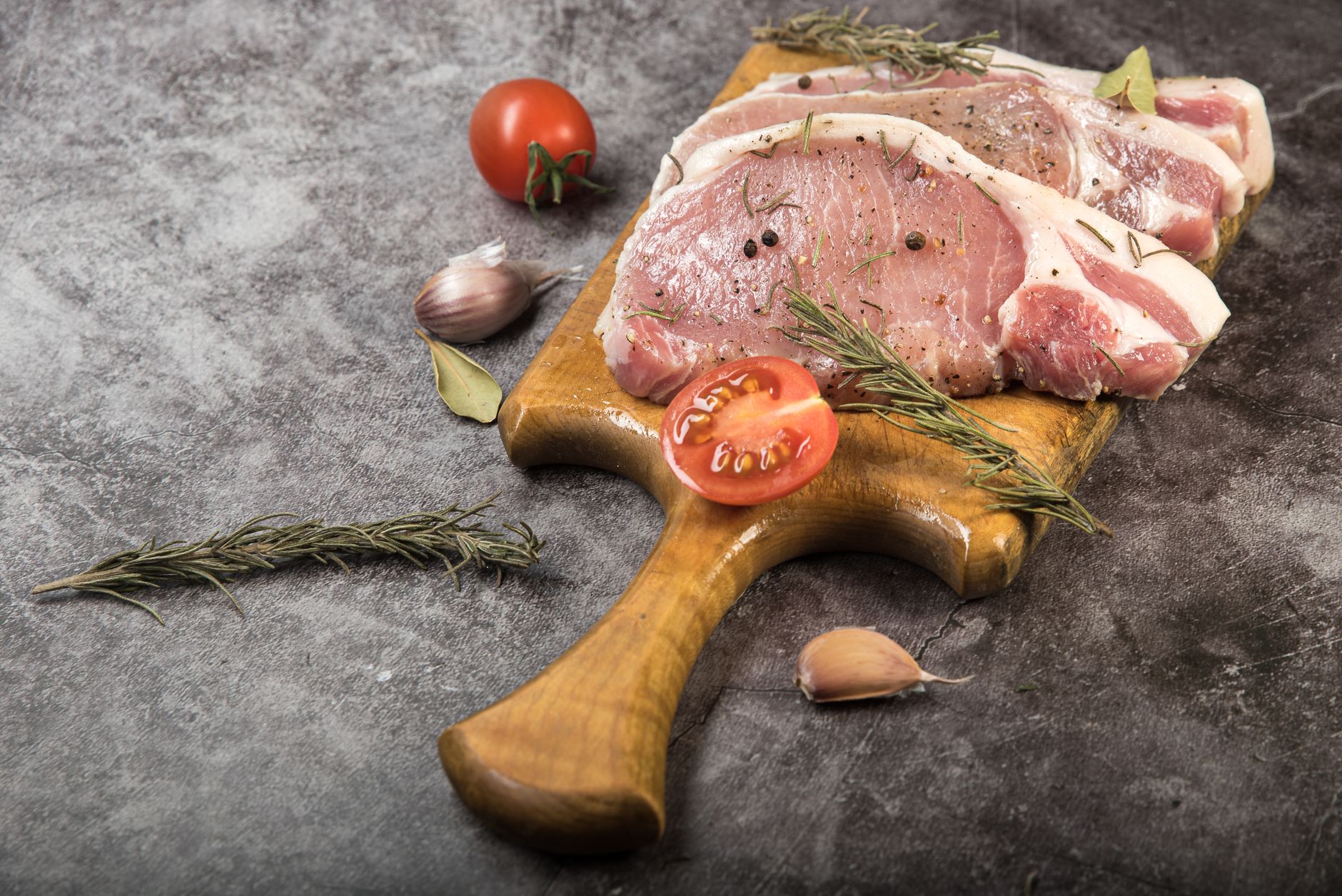
Select a pork tenderloin that is firm and pale pink with minimal marbling. Look for meat labeled "fresh" and avoid any with excessive liquid in the packaging. Choose a Dijon mustard that balances tang and creaminess without added sugars. For the seasoning, opt for high-quality roasted garlic pepper blends, or create your own for a fresher flavor. Choose a dry white wine with moderate acidity, such as Sauvignon Blanc, to complement the richness of the sauce. Lastly, fresh rosemary leaves provide an herbaceous aroma that dried versions cannot match.
Step-by-Step Instructions
Step 1: Prepare and Marinate the Pork (20 minutes prep + 2-hour rest)
Rinse the pork tenderloin under cold water and pat completely dry with paper towels to remove any residual odor. Heat the grapeseed oil in a large sauté pan over medium-high heat. Sear the pork on all sides until a golden crust forms, about 3-4 minutes per side. Remove the pork from the pan and place it on a utility platter. Slather the pork evenly with the Dijon mustard, then roll it in the roasted garlic pepper seasoning until fully coated. Cover and refrigerate for 2 hours to allow flavors to infuse.
Step 2: Roast the Pork (55 minutes at 350°F)
Preheat your oven to 350°F (175°C). Transfer the marinated pork tenderloin into a covered roasting pan or a large oven-safe sauté pan. Roast in the oven for approximately 45-55 minutes, or until the meat is fork-tender and reaches an internal temperature of 145°F (63°C). Use oven mitts carefully when handling the pan.
Step 3: Rest and Slice the Tenderloin (10 minutes)
Remove the pork from the oven and transfer it to a warm utility platter. Allow it to rest for 10 minutes; this helps the juices redistribute for moist, tender slices. Then, carve the pork into even slices about ½ inch thick.
Step 4: Prepare the Dijon Brown Sauce (10-15 minutes)
Pour the white wine into the roasting pan and swirl to deglaze, loosening the caramelized bits. Place the pan over medium heat on the stovetop or transfer the juices and wine to a small saucepan. Let the liquid reduce slightly, about 3-4 minutes. Add the prepared brown sauce or gravy and stir well, cooking an additional 5 minutes to meld the flavors and thicken the sauce. Season with salt and freshly ground black pepper to taste, then strain the sauce through a fine mesh strainer for a silky finish.
Step 5: Serve and Garnish
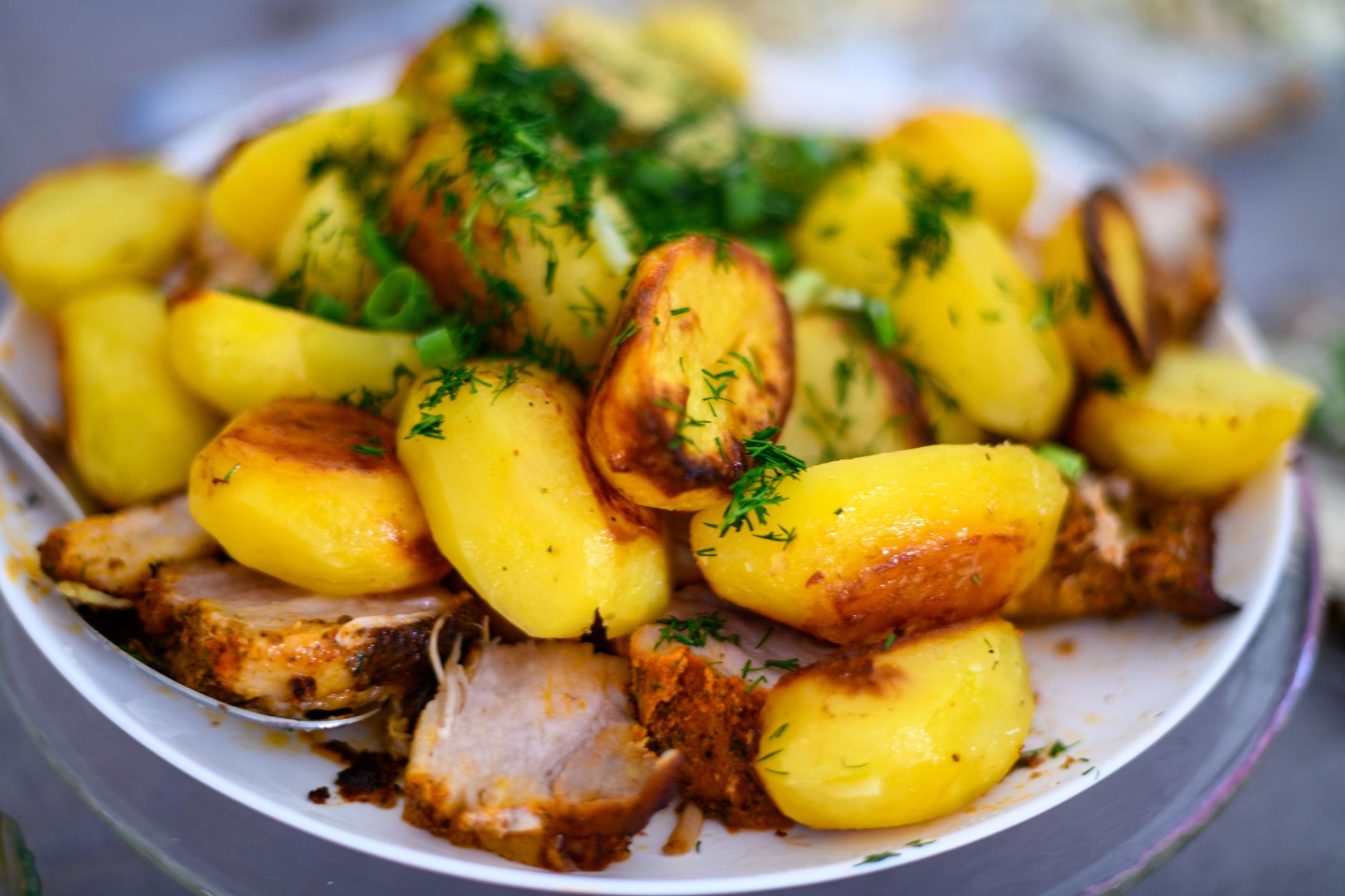
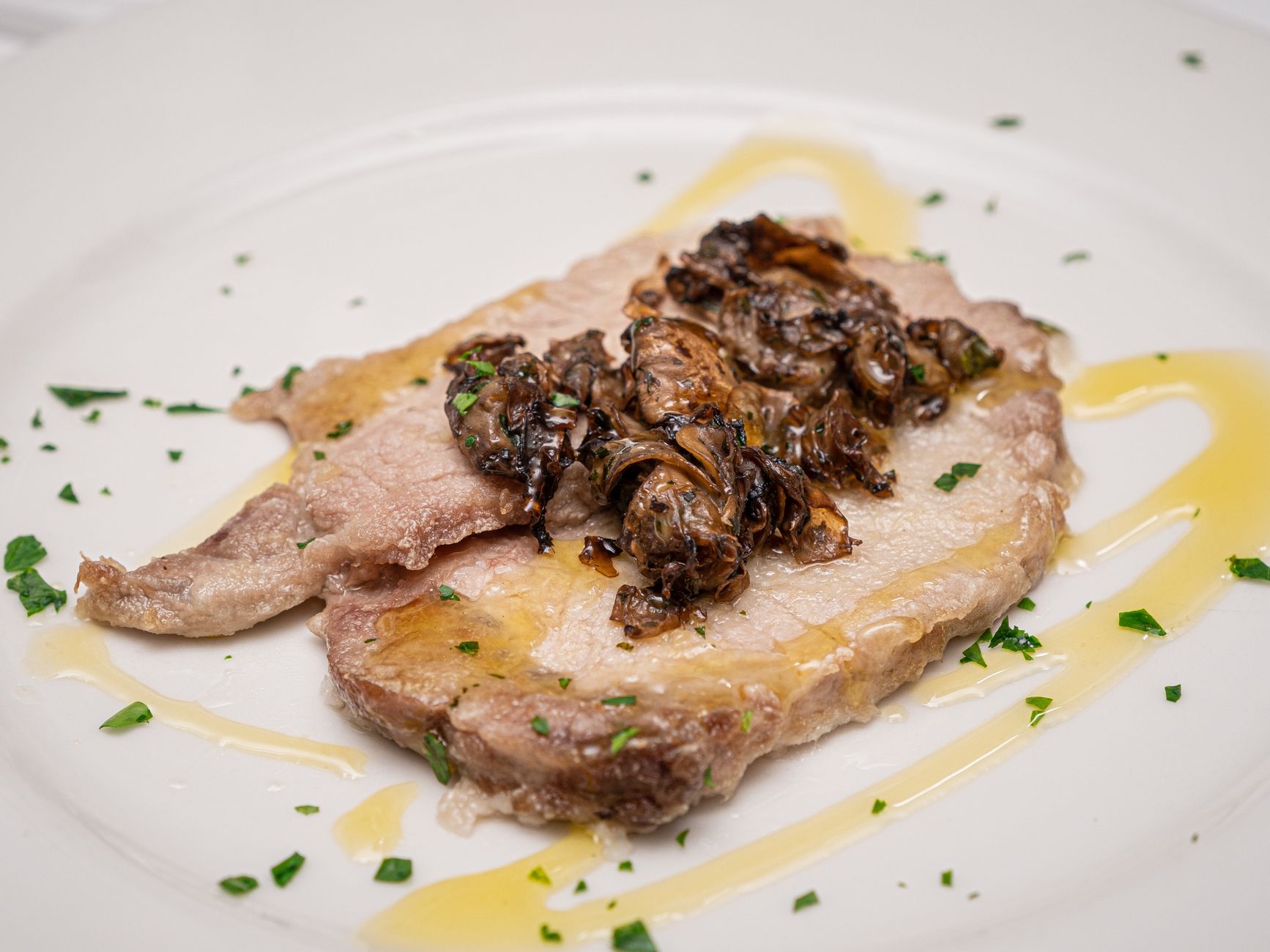
Arranged the sliced pork tenderloin on a serving platter. Spoon the creamy Dijon brown sauce generously over the meat. Garnish with freshly chopped rosemary leaves for an added burst of color and herbal aroma. Serve immediately for a warm, satisfying meal.

Variations & Substitutions
- Herb Variety: Swap rosemary with thyme or sage for a different herbal twist in the sauce.
- Marinade Swap: Replace Dijon mustard with whole-grain mustard or add a tablespoon of honey for a hint of sweetness.
- Sauce Alternatives: Use homemade gravy or mushroom sauce if you prefer an earthier flavor profile over the traditional brown sauce.
- Wine Substitute: For a non-alcoholic option, substitute white wine with apple cider or chicken broth, which will still provide acidity.
Storage & Shelf Life
After cooking, allow the pork tenderloin to cool completely before storing. Place it in an airtight container and refrigerate for up to 3–4 days. Ensure leftover sauce is stored separately in a sealed container to preserve its texture and flavor.
For longer storage, slice the pork and freeze portions in freezer-safe bags or containers for up to 3 months. Thaw overnight in the refrigerator before reheating gently to avoid drying out the meat. Reheat pork tenderloin wrapped in foil at 250°F (121°C) until warmed through.
Watch for signs of spoilage such as an off smell, slimy texture, or discoloration. If you notice any of these, discard immediately to avoid foodborne illness.
Pro Tips
- Pat the pork dry before searing to create a golden, crispy crust that locks in juices.
- Let the pork rest after roasting; this keeps the meat tender and prevents moisture loss when slicing.
- Use a kitchen thermometer to ensure perfectly cooked pork at 145°F, avoiding dryness or undercooking.
- When reducing the sauce, keep an eye on heat to prevent burning—gentle simmering is best.
- Straining the sauce removes lumps and roasted bits, resulting in a smooth, creamy consistency.
- Fresh herbs added at the end brighten the dish and enhance visual appeal.
When is the best time to eat Pork Tenderloin With Dijon Brown Sauce Recipe?
This pork tenderloin recipe is ideal for dinner due to its rich flavors and hearty protein content. It works well as a weekend meal or special occasion dish when you have time to prepare and enjoy a leisurely dinner with family or friends. The tender, juicy pork and comforting sauce pair beautifully with evening side dishes.
Can I prepare the pork tenderloin the night before?
Absolutely! Marinate the pork with Dijon mustard and seasoning, then refrigerate overnight. This deepens the flavor and reduces your cooking day prep. Just bring the pork to room temperature before searing and roasting for even cooking.
What can I serve with this pork tenderloin?
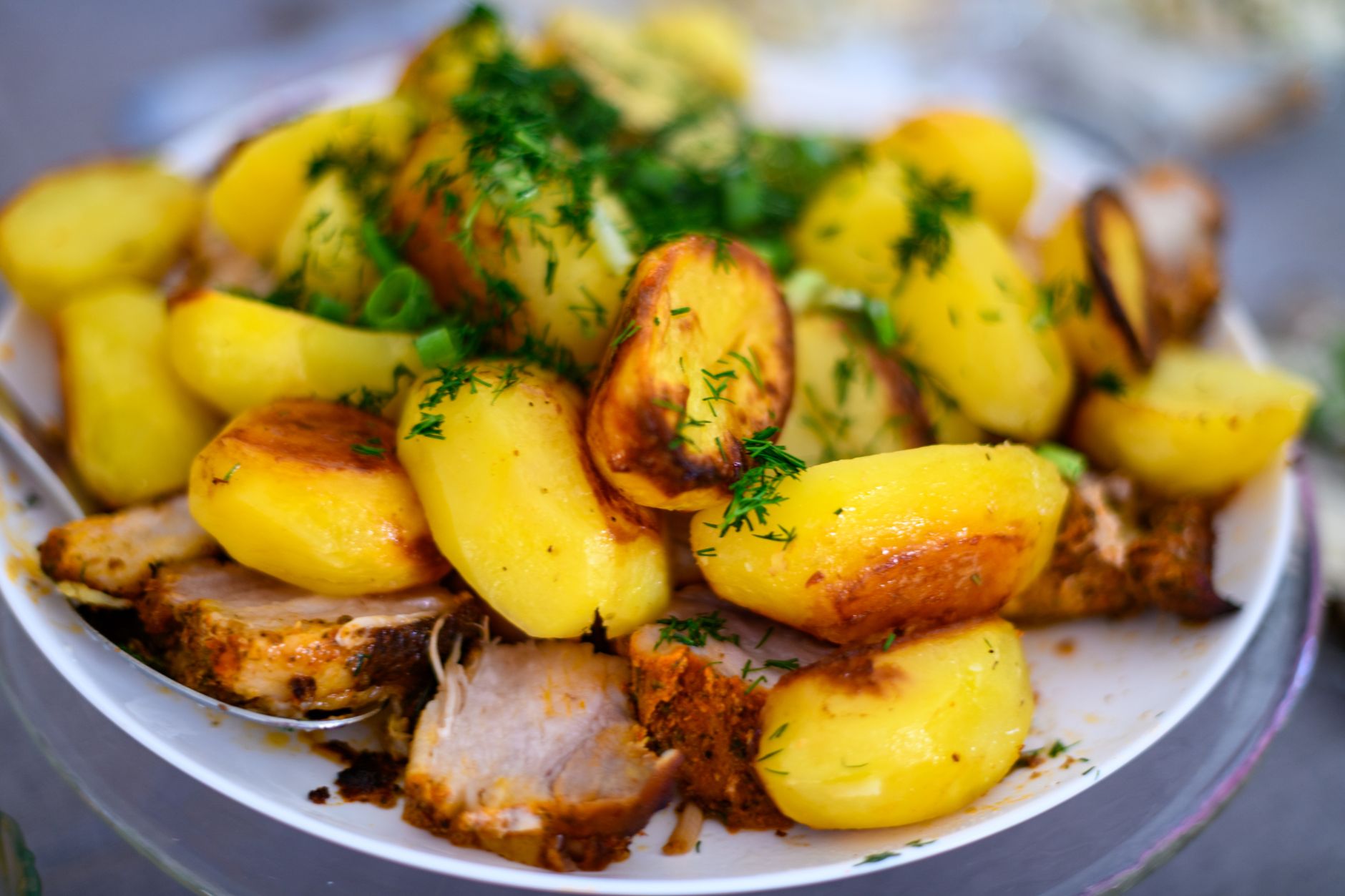
Classic sides include roasted vegetables, creamy mashed potatoes, or a simple green salad. For a more adventurous pairing, try the Grilled pork tenderloin a la rodriguez with guava glaze and orange habanero mojo recipe available on our site.
Is the brown sauce suitable for freezing?
Yes, you can freeze the brown sauce separately in an airtight container for up to 2 months. Thaw overnight in the refrigerator and reheat gently on the stovetop to preserve its texture.
How do I know when the pork tenderloin is done?
Use an instant-read thermometer inserted into the thickest part of the meat. The USDA recommends an internal temperature of 145°F (63°C) followed by a 3-minute rest time for safe consumption and optimal juiciness.
Can I use other cuts of pork for this recipe?
While pork tenderloin is preferred for its tenderness and fast cooking, you can substitute pork loin roast. Adjust cooking times accordingly to ensure it reaches the proper internal temperature without drying out.
Is it possible to make this dish gluten-free?
Yes, ensure your chosen brown sauce or gravy is labeled gluten-free, as many store-bought versions may contain wheat-based thickeners. Most of the other ingredients in this recipe naturally contain no gluten.
More Recipes You Will Love
Expand your dinner repertoire with the Thracian clay pot recipe, a flavorful and rustic dish rich with Mediterranean herbs and slow-cooked goodness. Its earthy layers will pair delightfully alongside pork tenderloin for a varied menu.
For another pork-centric delight, try the Grilled pork tenderloin a la rodriguez with guava glaze and orange habanero mojo recipe. The fruity heat of the glaze offers a vibrant contrast to the savory Dijon brown sauce in today‘s recipe.

Conclusion
This pork tenderloin with Dijon brown sauce recipe delivers a perfect balance of tender, juicy meat and creamy, tangy sauce that will become your go-to dinner favorite. Its straightforward preparation combined with gourmet flavors makes it suitable for both casual meals and special occasions. Give this dish a try, and don’t hesitate to share your results or variations in the comments below. Your feedback helps us all create even better meals together.
FAQs
When is the best time to eat Pork Tenderloin With Dijon Brown Sauce Recipe?
The Pork Tenderloin With Dijon Brown Sauce Recipe is ideal for dinner, offering a satisfying and flavorful meal. It is perfect for weeknights or special occasions when you want to enjoy a hearty yet healthy dish.
Can I prepare Pork Tenderloin With Dijon Brown Sauce Recipe in advance?
Yes, you can prepare the pork tenderloin and marinade ahead of time, allowing it to rest in the refrigerator for a couple of hours before cooking. The sauce can also be made or heated in advance to save time on the day you intend to serve.
What sides pair well with Pork Tenderloin With Dijon Brown Sauce Recipe?
This dish pairs well with seasonal roasted vegetables, mashed potatoes, or a fresh green salad. Light, crisp sides complement the richness of the pork and Dijon sauce without overpowering the flavors.
Is Pork Tenderloin With Dijon Brown Sauce Recipe suitable for special diets?
Yes, this recipe is gluten-free, low-carb, and high-protein, making it suitable for gluten-free and ketogenic diets. However, those with mustard allergies should avoid the Dijon sauce or substitute it accordingly.
How do I store leftovers from Pork Tenderloin With Dijon Brown Sauce Recipe?
Store leftover pork and sauce in airtight containers in the refrigerator for up to 3 days. Reheat gently on the stove or in the oven to retain moisture and flavor before serving again.