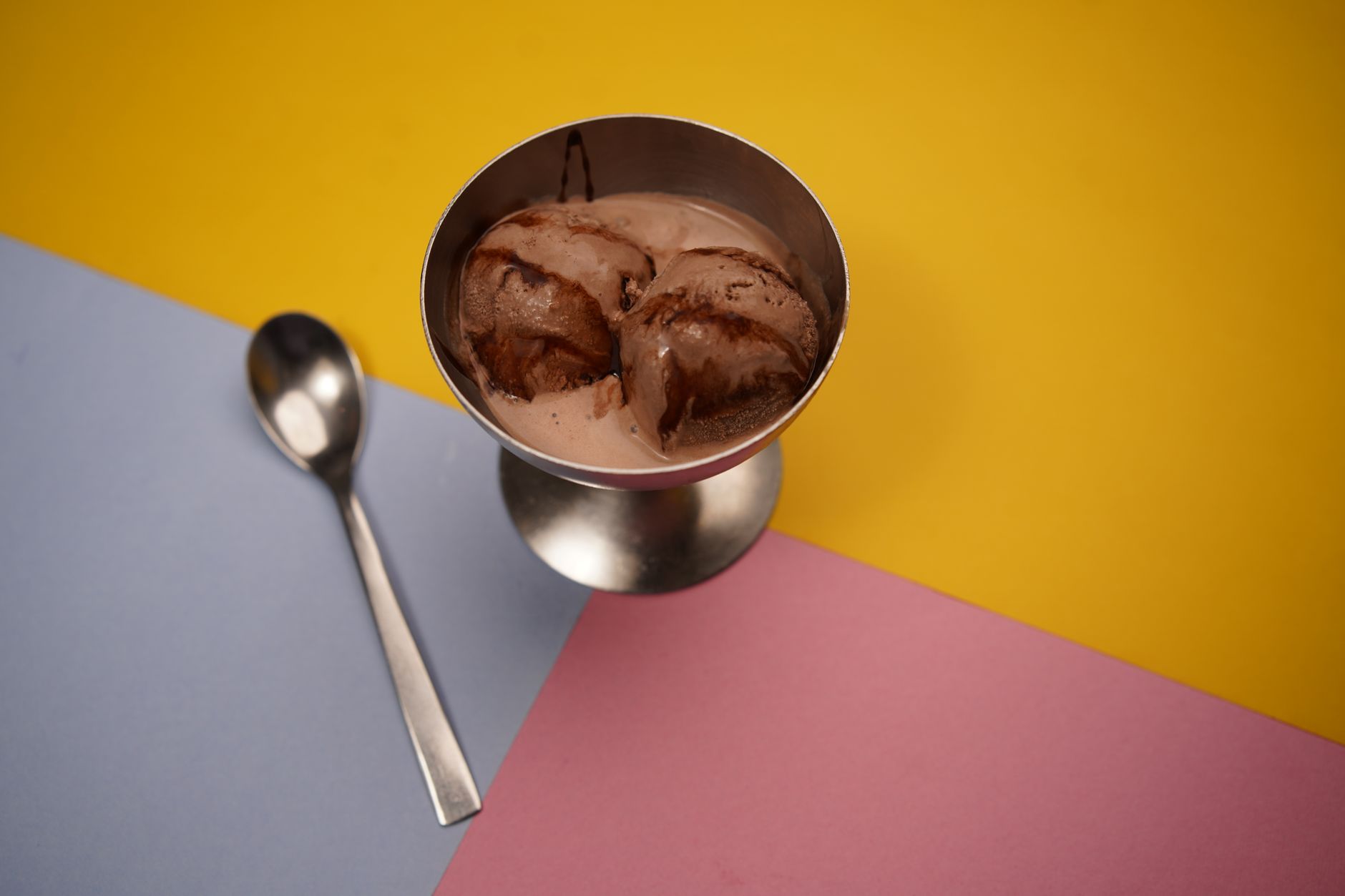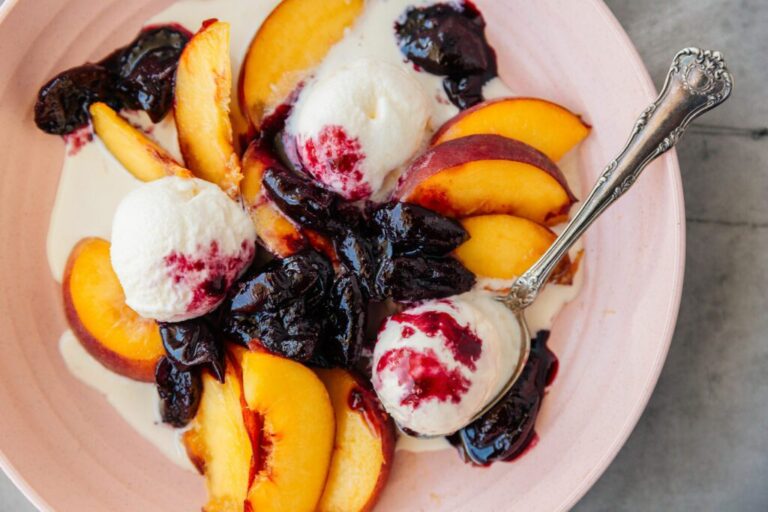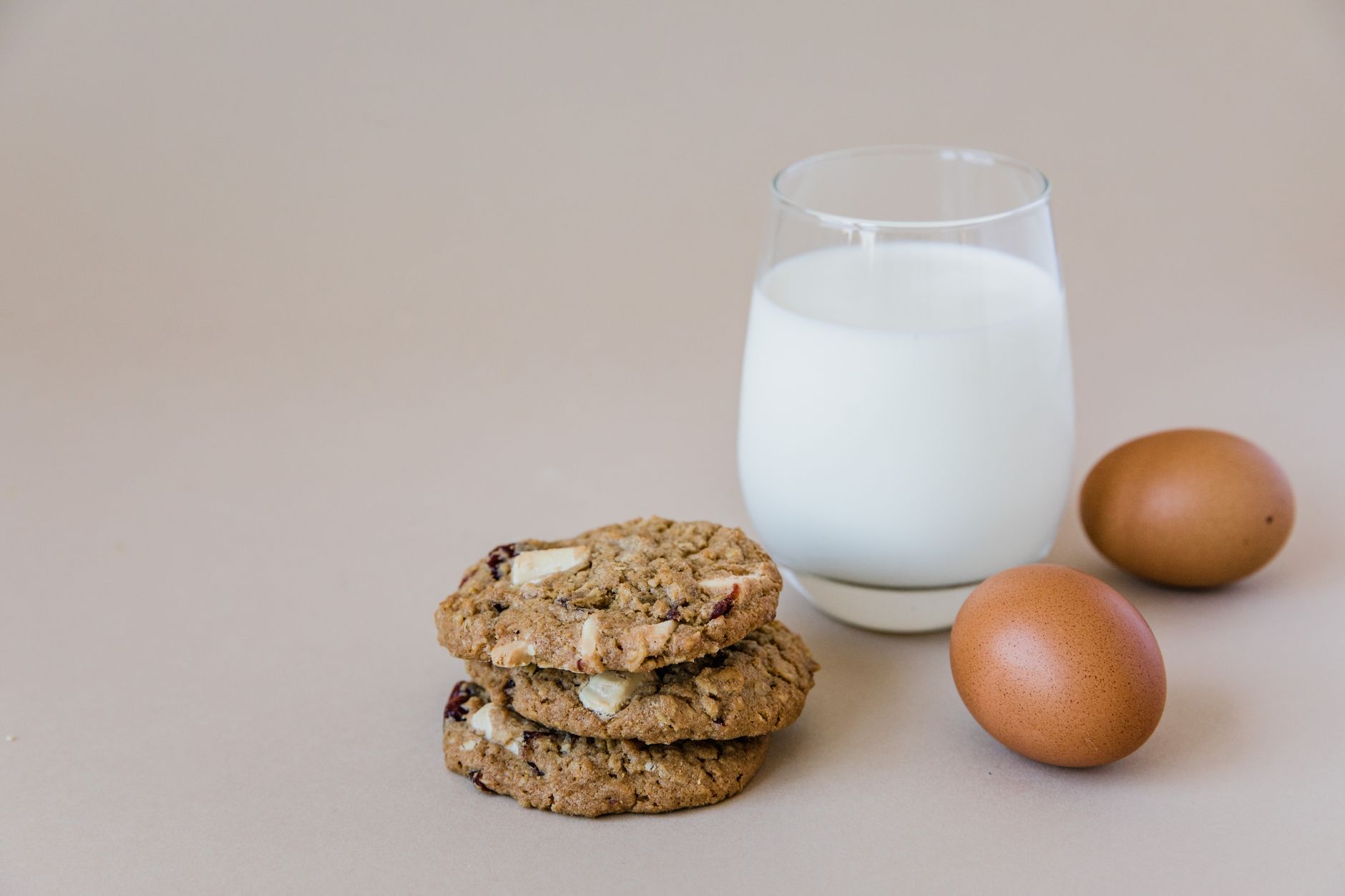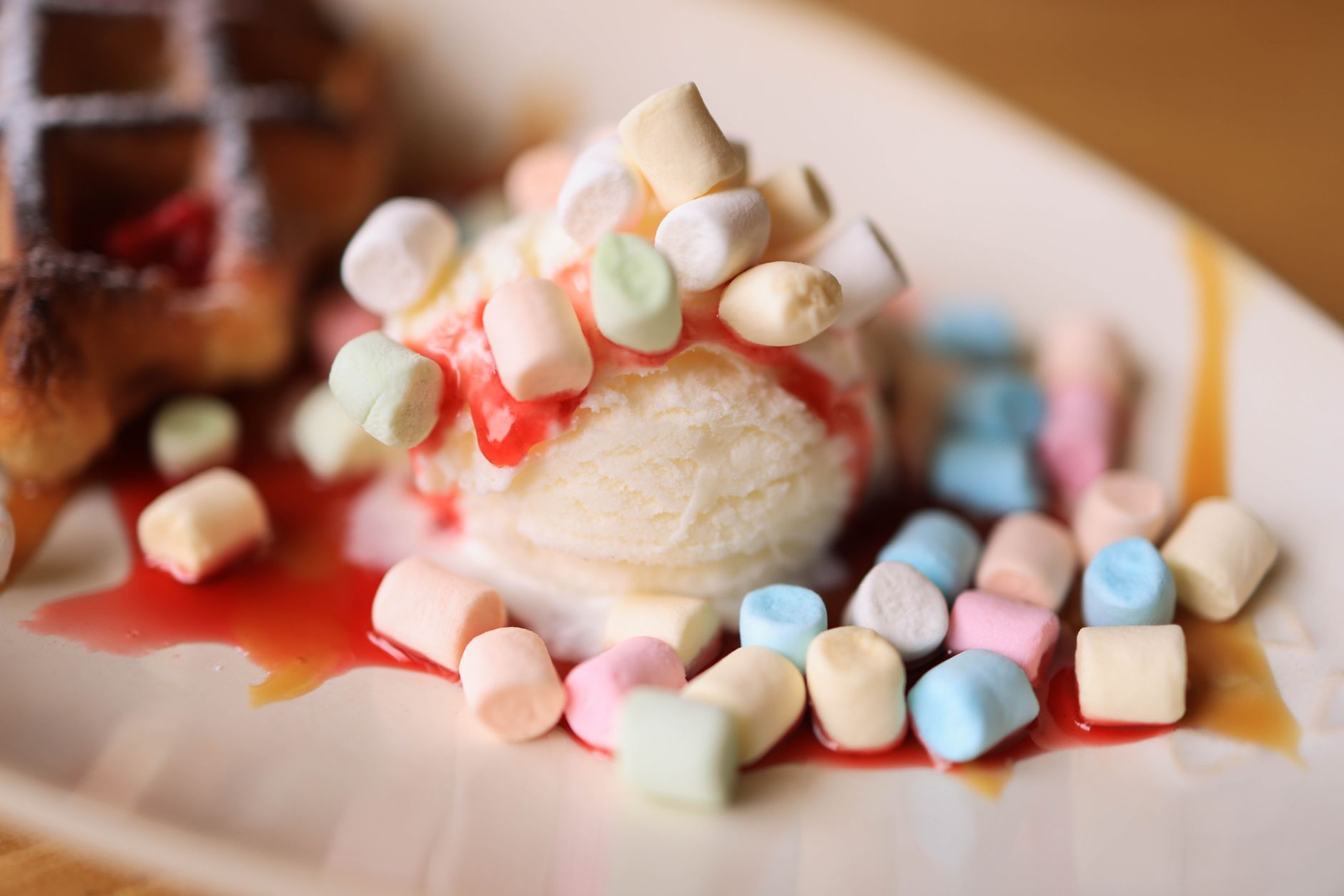
Do you crave an irresistibly creamy, classic vanilla ice cream made the old fashioned way? This old fashioned homemade vanilla ice cream recipe for ice cream maker brings together simple ingredients and time-tested techniques. The custard base, enriched with real eggs and churned just right, creates a rich texture and deep vanilla flavor you cant beat. Whether you want a sweet, nostalgic treat or a cool twist on dessert, this recipe will become your go-to for homemade ice cream perfection.
Why Old Fashioned Works
What Makes Old Fashioned Different?
This recipe stands apart through its custard-style base, cooked gently with egg yolks, sugar, milk, and cream. Unlike quicker methods that just combine dairy and flavorings, the old fashioned method involves carefully tempering and cooking the eggs to build body and silkiness.
Using raw eggs directly without cooking can result in a less stable texture and bland flavor. The gentle heat transforms the custard, giving a thick, velvety mouthfeel that soft-serve style recipes simply cant match.
Using Raw Eggs for Texture and Flavor
Egg yolks are at the heart of an old fashioned recipe. They act as natural emulsifiers, blending fat and water for a luscious creaminess. Plus, they enhance the custards flavor by adding subtle richness and a golden huemaking each bite a delight.
If you prefer a version involving raw eggs but want safety tips, check out our detailed old fashioned homemade ice cream recipe with raw eggs for a thorough guide on freshness and handling.
Why an Ice Cream Maker Matters
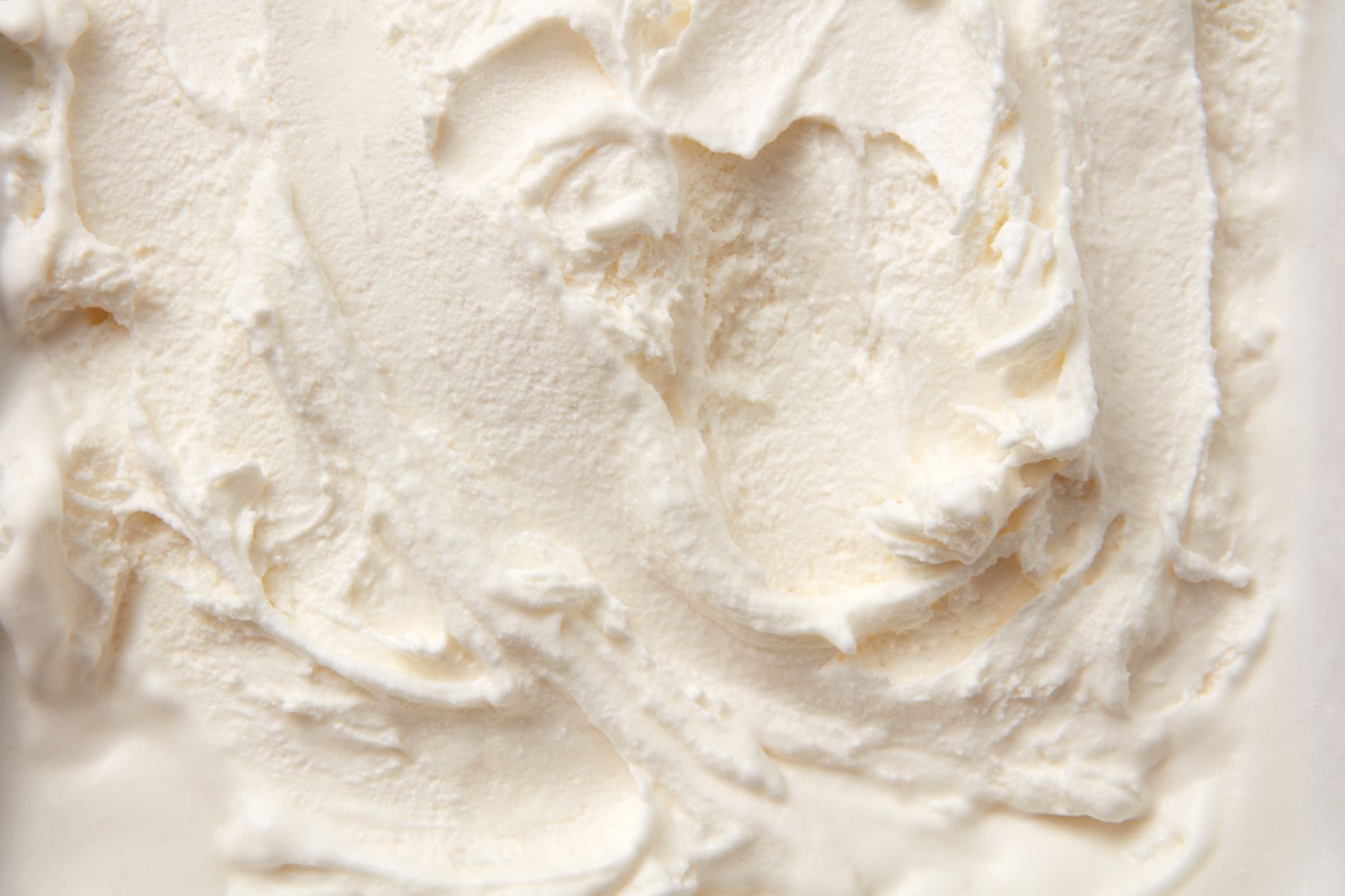
The ice cream maker steadily churns the custard base while cooling, incorporating air and preventing ice crystals. This slow freeze plus agitation is essential to get the smooth, scoopable texture known from classic homemade ice cream.
Without it, your ice cream would be hard as a rock or icy. The right machine ensures creamy indulgence every time.
Ingredients Youll Need
| Prep time | Total time | Servings | Calories (per serving) | Diet tags |
|---|---|---|---|---|
| 20 minutes | 4 hours 30 minutes | 6 | 320 | Vegetarian |
Key Ingredients and Why
- Whole milk and heavy cream: These create the ideal fat balance, around 14%-16% total fat, crucial for creamy texture without being overly dense.
- Egg yolks: Fresh and preferably from trusted sources. They add richness and prevent ice crystals.
- Granulated sugar: Balances sweetness while slightly lowering freezing point for softness.
- Pure vanilla extract or vanilla bean: Use high-quality vanilla for deep aroma. Vanilla beans provide tiny black specks and robust flavor; extract offers ease.
- Pinch of salt: Enhances flavor complexity by balancing sweetness.
| Ingredient | Quantity | Notes |
|---|---|---|
| Whole milk | 2 cups (480 ml) | Use fresh, full-fat milk |
| Heavy cream | 2 cups (480 ml) | Minimum 36% fat |
| Granulated sugar | 3/4 cup (150 g) | Adjust slightly for sweetness |
| Large egg yolks | 6 | Room temperature |
| Vanilla bean or extract | 1 bean or 2 tsp extract | Split and scrape if using bean |
| Salt | 1/4 tsp | Optional but recommended |
Step-by-Step Instructions
Preparing Custard Base
Start by combining the milk, cream, and half of the sugar in a medium saucepan. If using a vanilla bean, split it lengthwise and scrape the seeds into the milk mixture. Add the pod too. Heat the liquid over medium heat until it just begins to steam and small bubbles appear around the edge, about 170F (77C). Remove from heat and cover to infuse while you prepare the yolks.
In a bowl, whisk the egg yolks with the remaining sugar and salt until pale and slightly thickened about 2 minutes by hand or 1 minute with a mixer.
Slowly pour about 1 cup of the hot milk mixture into the yolks while whisking constantly. This tempers the eggs, raising their temperature without scrambling.
Pour the yolk mixture back into the saucepan with the remaining milk. Cook over low heat, stirring constantly with a wooden spoon, scraping the bottom as you stir. The custard will thicken to coat the spoon in about 5-7 minutes and reach approximately 175F (80C). Do not let it boil or the eggs will curdle.
Immediately strain the custard through a fine sieve into a clean bowl to remove any bits and the vanilla pod. Stir in vanilla extract if using, and place a piece of plastic wrap directly on the surface to prevent a skin from forming. Chill in the refrigerator for at least 4 hours, ideally overnight.
Churning and Freezing Tips
Once chilled, pour the custard into your ice cream makers bowl. Churn according to your machines instructions, usually for 2030 minutes until the mixture thickens like soft serve.
Transfer to an airtight container and freeze for 23 hours before serving to firm up the texture. The ice cream will keep for about 2 weeks in the freezer.

Common Mistakes to Avoid
- Turning up the heat too high during cooking keep it gentle to avoid scrambling eggs.
- Not tempering the eggs slowly rushing can cause lumps.
- Skipping chilling cold custard churns better and prevents ice crystals.
- Over-churning stop once ice cream thickens; overdoing can lead to a butter-like texture.
Recipe Variations
No Ice Cream Maker Option
If you dont have an ice cream maker, pour the chilled custard into a shallow dish. Freeze for 45 minutes, then vigorously stir every 30 minutes to break up ice crystals until fully frozen, about 4 hours total. It wont be quite as smooth but still deliciously creamy.
Eggless Alternatives
You can swap eggs for cornstarch or gelatin to thicken your custard basethough the recipes authentic richness will be reduced. Use 2 tablespoons of cornstarch mixed with 1/4 cup milk, stirred into heated dairy until thickened. This suits those avoiding raw eggs.
Lower Carb and Sugar Swaps
Try erythritol or monk fruit sweetener instead of sugar to reduce carbs. Keep an eye on cooling and churning times because sugar alternatives change freezing points slightly.
Serving Suggestions
Classic Toppings
Simple crushed nuts, homemade hot fudge, or fresh berries are great companions. A sprinkle of cinnamon or nutmeg also complements the vanillas floral aroma beautifully.
Pairing Ideas
This ice cream shines beside warm apple pie, rich chocolate cake, or tangy fruit cobblers. You can also layer it in sundaes or blend for creamy milkshakes.
Creative Uses
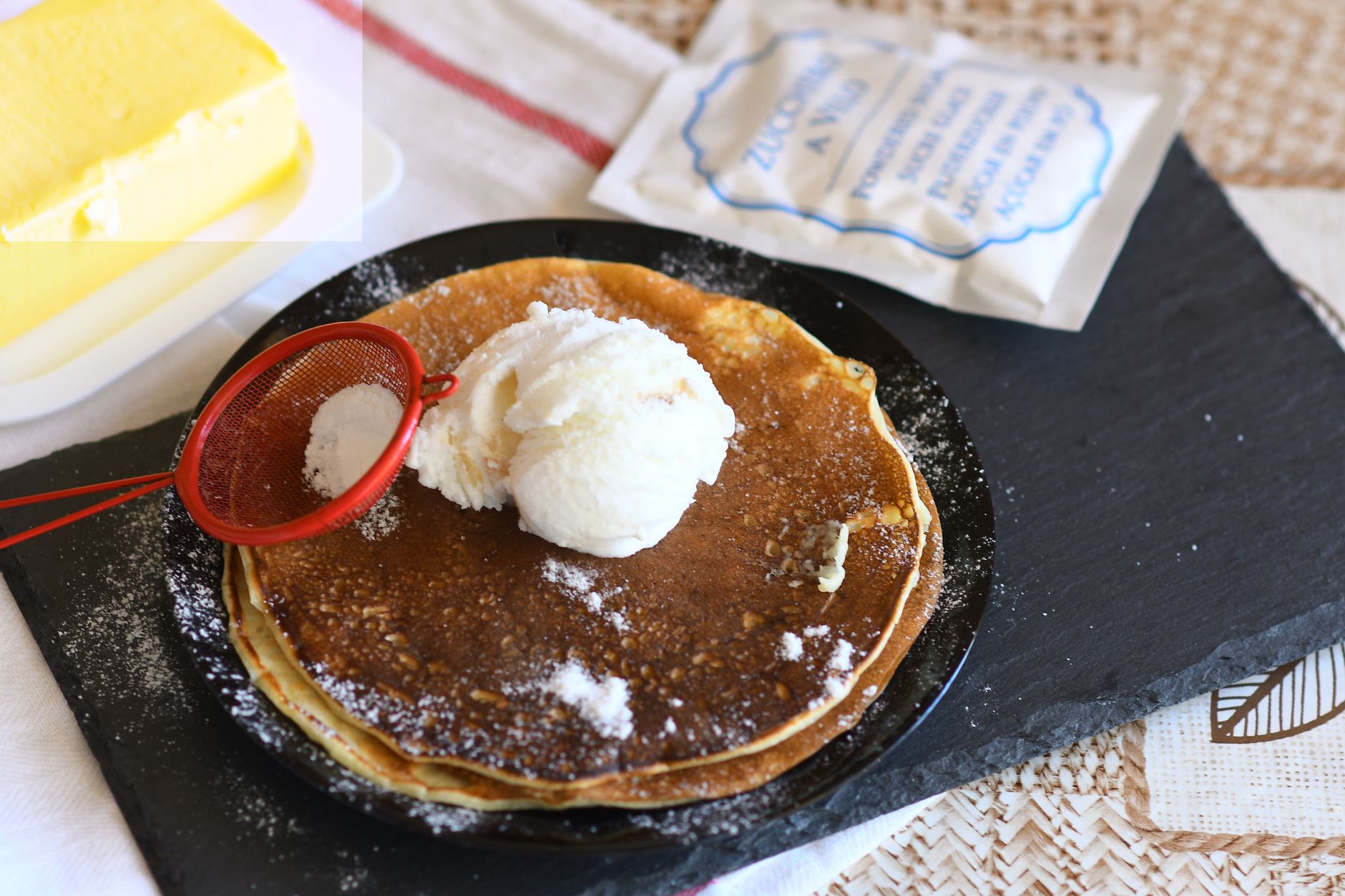
Try it atop a waffle or baguette sandwich with salted caramel. Or swirl in a cup of homemade hot chocolate for a boozy boozy adult float. The possibilities are endless.
Storage Tips
- Freeze ice cream in airtight, shallow containers: This prevents freezer burn and ice crystals.
- Firm up in freezer: Freeze for 23 hours after churning before serving.
- Consume within 2 weeks: Homemade ice cream loses optimal creaminess after that.
- Soften before scooping: Let ice cream sit at room temperature 510 minutes for easiest scooping.
- Custard base freezing: You can freeze the custard base in a sealed container up to 1 month. Thaw overnight in fridge before churning.
Troubleshooting and Pro Tips
- Egg curdling: If eggs scramble, immediately remove from heat and strain. Next time, reduce heat and stir constantly.
- Grainy texture: Churn at cold temperature with fully chilled base. Over-churning or lack of fat causes ice crystals.
- Perfect churning time: Usually 2030 minutes. Stop when texture thickens to soft-serve consistency. Over-churning makes ice cream buttery.
- Balancing flavors: Adding a pinch of salt accentuates sweetness and depth. Vanilla extract added after cooking preserves aroma.
When is the best time to eat old fashioned homemade vanilla ice cream recipe for ice cream maker?
The best time to enjoy this ice cream is after it has fully firmed in the freezer for at least 2 hours post-churning, when it has a perfect creamy texture. Serve it on sunny days, after dinner desserts, or whenever you crave a cold, classic treat with comforting vanilla flavor.
Can I safely use raw eggs in homemade ice cream?
Using raw eggs carries some risk of salmonella. To reduce risk, use pasteurized eggs or ensure they come from a reputable source. Alternatively, cook the custard gently as described above; the heat will kill bacteria and safely thicken the base.
What if I dont have heavy cream or whole milk?
You can substitute half-and-half for the cream and whole milk or 2% milk for the milk. Keep in mind, lower fat content yields icier and less creamy ice cream. Full-fat dairy offers the best texture and richness.
How long can homemade ice cream be stored in the freezer?
Homemade custard-based ice cream typically keeps best for up to 2 weeks stored airtight in the freezer. Beyond that, ice crystals develop and flavor fades. Well-sealed containers and minimal air exposure extend shelf life.
Can I add mix-ins like chocolate chips or nuts? When is best?
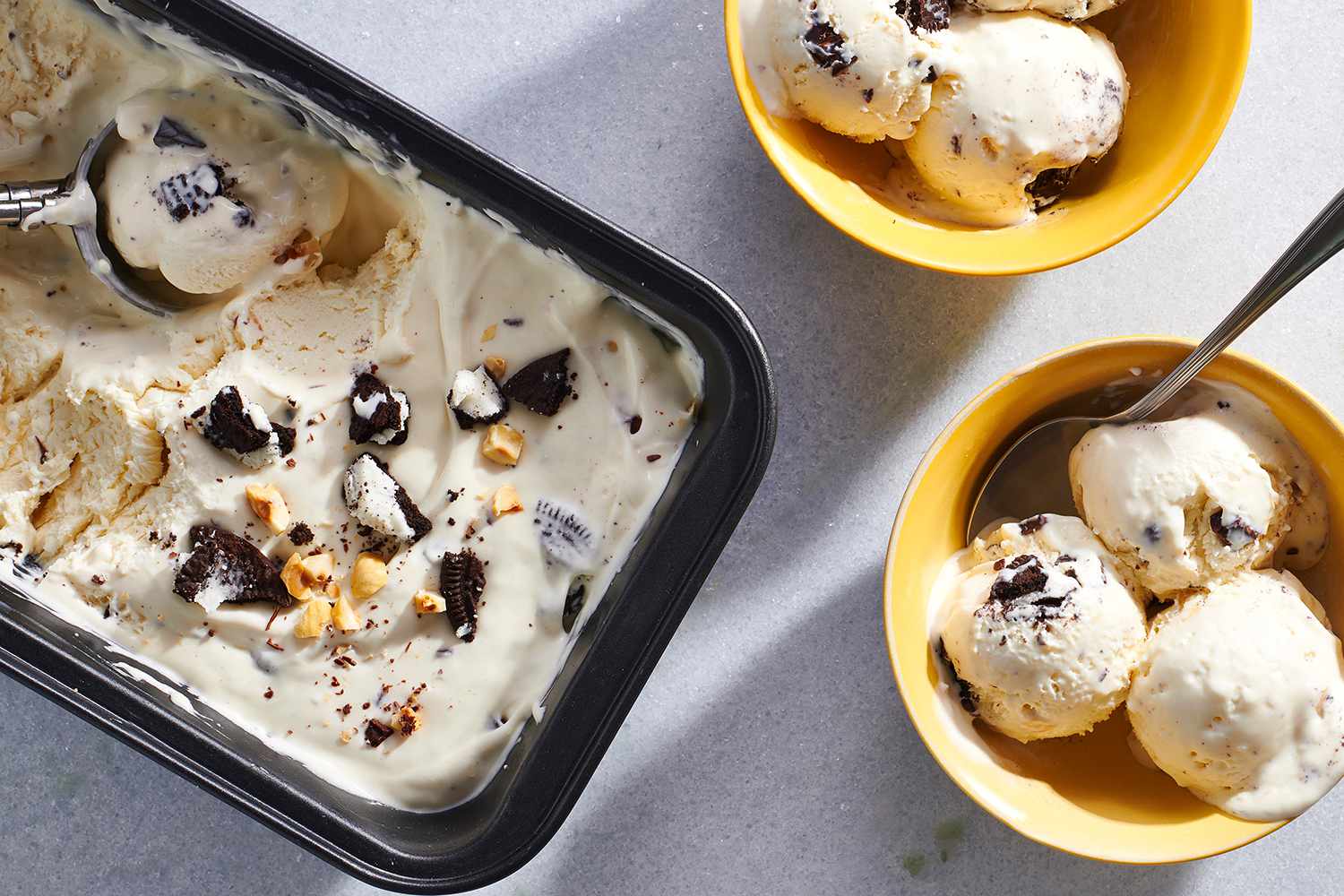
Yes! Add mix-ins during the last 5 minutes of churning to evenly distribute without sinking. Avoid adding ingredients that release moisture, as they cause texture issues.
What ice cream makers work best with this recipe?
Both compressor-style and freezer-bowl machines work well. Freezer-bowl machines require pre-freezing the bowl 24 hours prior. Compressor machines let you churn on demand. Choose based on your convenience and batch size needs.
Can I use vanilla bean instead of extract?
Absolutely. Vanilla beans give stronger, more natural vanilla flavor and those pretty specks in your ice cream. Scrape both seeds and pod into milk for infusion, then strain before chilling the custard.
More Recipes to Try
If you love classic comfort food, check out our old fashioned homemade ice cream recipe with raw eggs for another take on rich, creamy treats. For a savory contrast, our Gochujang rice recipe delivers bold Korean flavors in an easy skillet meal. Or snack anytime on our crowd-pleasing Jumbo cheesy stuffed pitas stuffed with melty cheese and fresh veggies.
Conclusion
This old fashioned homemade vanilla ice cream recipe for ice cream maker is your ticket to rich, velvety dessert magic. With simple ingredients and patient techniques, youll capture that nostalgic vanilla flavor with a creamy texture that melts happily on the tongue. Dont be shy try it and share your favorite mix-ins or toppings below. Your perfect scoop awaits!
FAQs
When is the best time to eat old fashioned homemade vanilla ice cream recipe for ice cream maker?
The best time to enjoy this ice cream is after it has fully firmed in the freezer for at least 2 hours post-churning. This ensures a perfect creamy texture ideal for serving on warm days or as a classic dessert treat.
Can I safely use raw eggs in homemade ice cream?
Raw eggs may carry salmonella risk. To ensure safety, use pasteurized eggs or cook the custard base gently as the recipe directs. The heat kills harmful bacteria while thickening the ice cream base.
What if I don’t have heavy cream or whole milk?
You can substitute half-and-half for heavy cream and 2% milk for whole milk, though this results in a less creamy and slightly icier ice cream. Full-fat dairy produces the best texture and richness.
How long can homemade ice cream be stored in the freezer?
Store homemade custard-based ice cream in airtight containers for up to 2 weeks for best flavor and creaminess. After that, ice crystals may develop and texture can degrade.
Can I add mix-ins like chocolate chips or nuts? When is best?
Yes, add mix-ins such as chocolate chips or nuts during the last 5 minutes of churning for even distribution. Avoid moisture-rich ingredients to maintain ideal texture.