Why This Minestrone Soup Recipe Is Worth Making
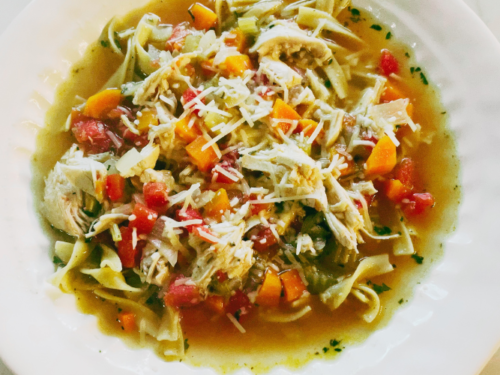
The first spoonful should taste like vegetables simmered slowly in tomato broth, with beans that are soft but still hold their shape. This minestrone soup recipe is a thick Italian vegetable soup built from tomatoes, beans, and seasonal produce, with small pasta added near the end. It takes about 55 minutes and makes six generous servings.
Minestrone is one of those soups that rewards a little patience. You start with a base of onion, carrot, and celery, then layer in zucchini, green beans, and herbs. Kidney and cannellini beans make it filling enough to serve as a full dinner with bread and a green salad.

Health Benefits & Nutrition
This soup is built mostly from vegetables and beans, which makes it a practical way to work more plant foods into your week. Carrots, tomatoes, spinach, and green beans each bring their own mix of vitamins and minerals, so the bowl covers more ground than a single ingredient ever could.
Beans contribute both fiber and plant-based protein. Fiber is the part of plant foods your body does not fully digest, and it helps keep meals feeling satisfying. Because this soup has a lot of beans, it can also keep you full longer than a broth-only soup of similar size.
Using olive oil as the main fat, and a modest amount of Parmesan for serving, keeps saturated fat fairly low compared with cream-based soups. The sodium content depends heavily on your broth and canned beans, so reading labels matters. Choosing a low-sodium broth and rinsing canned beans can make a noticeable difference.
Please keep a few safety points in mind. Spinach and other leafy greens contain vitamin K, which can affect how some blood-thinning medications work, so if you take one, talk with your doctor before making big changes to how often you eat greens. Parmesan and pasta contain dairy and wheat, so if you have a food allergy or intolerance, check every label. This recipe is general information, not personal medical advice. For guidance tailored to your health, speak with your doctor or a registered dietitian.
Ingredients & Preparation
Recipe Card
| Prep time | Cook time | Total time | Servings | Calories (approx) | Diet tags |
|---|---|---|---|---|---|
| 15 minutes | 40 minutes | 55 minutes | 6 | About 250 per serving | Vegetarian, Easy, Freezer-friendly |
Ingredients
- 2 tablespoons extra-virgin olive oil
- 1 medium yellow onion, diced (about 1 cup)
- 2 medium carrots, peeled and diced (about 1 cup)
- 2 stalks celery, diced (about 3/4 cup)
- 3 cloves garlic, minced
- 1 medium zucchini, diced into 1/2-inch cubes (about 1 cup)
- 4 ounces green beans, trimmed and cut into 1-inch pieces (about 1 cup)
- 1 teaspoon dried oregano
- 1/2 teaspoon dried thyme
- 1/2 teaspoon kosher salt, plus more to taste
- 1/4 teaspoon freshly ground black pepper
- 1 (28-ounce) can crushed tomatoes
- 6 cups low-sodium vegetable broth
- 1 (15-ounce) can kidney beans, drained and rinsed
- 1 (15-ounce) can cannellini beans, drained and rinsed
- 1 Parmesan rind, about 3 inches (optional)
- 1 cup small pasta, such as ditalini (about 2 ounces)
- 2 cups packed baby spinach (about 2 ounces)
- 2 tablespoons chopped fresh parsley
- Freshly grated Parmesan, for serving
Equipment Needed
- A 6-quart Dutch oven or heavy stockpot
- A sharp chef‘s knife and cutting board
- A wooden spoon or heatproof spatula
- A ladle and measuring spoons and cups
- A colander for draining and rinsing the beans
Tips for Choosing Quality Ingredients
Choose firm zucchini and green beans with bright color and no soft spots. Tomatoes labeled as crushed have a better texture than puréed versions, which can make the soup taste flat. If you can find a Parmesan rind at the cheese counter, ask for one. It adds savory depth for very little cost.
Look for a vegetable broth with a short ingredient list and sodium content that you are comfortable with. Canned beans work well, but check that the cans are not dented or bulging. Fresh parsley should smell green and clean, not sour.
Step-by-Step Instructions
Step 1: Build the Aromatic Base
Heat the olive oil in a 6-quart Dutch oven over medium heat for 2 minutes, until it shimmers. Add the diced onion and cook for 5 minutes, stirring every minute, until the pieces turn translucent and smell sweet. Add the carrots, celery, and 1/4 teaspoon of the salt, then cook for 6 to 7 minutes until the carrots start to soften and the edges look slightly golden.
Step 2: Add the Garlic and Summer Vegetables
Stir in the garlic and cook for 1 minute, just until fragrant. Add the zucchini, green beans, oregano, thyme, and black pepper, then cook for 3 minutes, stirring often, until the zucchini turns bright green and begins to soften at the edges. Pour in the crushed tomatoes and cook for 3 minutes, stirring, until the mixture darkens to a brick red and the pot sizzles gently.
Step 3: Simmer with Broth and Beans
Pour in the vegetable broth, then add the kidney beans, cannellini beans, and Parmesan rind if using. Increase the heat to high and bring the soup to a rolling boil, about 4 to 5 minutes. Reduce the heat to low so the soup simmers gently, with just a few bubbles breaking the surface, and cook uncovered for 15 minutes.

Step 4: Cook the Pasta in the Soup
Stir in the ditalini and raise the heat to medium. Simmer for 8 to 10 minutes, or until the pasta is tender but still has a slight bite. Fish out the Parmesan rind with tongs and discard it. Taste a piece of pasta to confirm the texture before you move on.
Step 5: Finish with Spinach, Herbs, and Seasoning
Turn off the heat and stir in the spinach for about 1 minute, until it wilts into the broth. Add the chopped parsley and the remaining 1/4 teaspoon of salt, then taste and adjust the seasoning. Let the pot rest, uncovered, for 5 minutes before ladling the soup into bowls and topping each one with grated Parmesan.
Variations & Substitutions
For a heartier, grain-based version, swap the ditalini for 1/3 cup of dry farro. Add the farro with the broth in Step 3 and simmer for 25 to 30 minutes before adding the beans, which keeps the grains chewy. I tried quinoa once in place of pasta, and it kept absorbing broth overnight until the soup turned into a thick stew, so I recommend sticking with farro or small pasta.
To make a vegan version, leave out the Parmesan rind and the grated cheese. Add one tablespoon of nutritional yeast to the finished pot for a savory, nutty finish. Use a vegetable broth that contains no animal ingredients, and check that your pasta label confirms it is egg-free.
For a bright, pesto-style finish, stir one tablespoon of basil pesto into each bowl just before serving. You can also try the Tomatoes roasted with pesto recipe alongside the soup for a light side. Frozen green beans can replace fresh ones at a 1:1 ratio, but add them straight from the freezer in Step 2 and cook for 1 extra minute. Frozen spinach works too, but squeeze out as much liquid as you can first, or the soup will taste watery.
Storage & Shelf Life
Cool the soup to room temperature within about 2 hours, then transfer it to an airtight container. It keeps in the refrigerator for 3 to 4 days. If you plan to save leftovers, store the pasta separately, because it soaks up broth and turns soft by the next day. Add it back when you reheat.
To freeze, let the soup cool completely and leave out the pasta and spinach. Pour the soup into freezer-safe containers or resealable bags, leaving about an inch of space for expansion. It keeps for up to 3 months. Thaw overnight in the refrigerator, then reheat gently on the stove over medium-low heat, adding a splash of broth until it loosens.
Throw the soup away if it smells sour, looks slimy, or shows any mold. If in doubt, do not taste it. Reheat leftovers until steaming hot throughout before serving.
Pro Tips
Salt in stages. Adding the salt during the vegetable cooking and again after the spinach brings out the sweetness of the carrots and tomatoes. Seasoning only at the end tends to make the soup taste sharp on the surface and flat underneath.
Use the Parmesan rind as a flavor extractor. As it simmers, it releases glutamates that add a savory, almost meaty depth, so the soup tastes more developed without any extra meat or stock concentrate. Once the rind has softened and given up its flavor, remove it so the soup does not turn cloudy or chewy.
Protect your kitchen from tomato stains. Crushed tomatoes can leave orange marks on plastic cutting boards and food containers. Wipe your board with a little vegetable oil before cutting, and store leftovers in glass when you can. If a stain sets, a paste of baking soda and water usually lifts it, then rinse well.
Watch the beans. Canned beans are already cooked, so they only need to heat through. Simmering them for too long breaks them down and makes the soup grainy. Keep the heat low once the beans go in.
Questions & Answers
When is the best time to eat Minestrone Soup Recipe?
The best time to eat minestrone is in the evening, as a warming, filling dinner. It also works well for lunch the next day, when the flavors have had time to settle. Because it is packed with vegetables and beans, it suits any season, from a cold winter night to a cool summer evening.
Can I make this minestrone soup a day ahead?
Yes, you can make this soup a day ahead, and many people find the flavor improves overnight. Cook it through Step 4, but leave the spinach and parsley out. Refrigerate the soup, then reheat gently and stir in the greens just before serving.
Is minestrone soup a healthy choice for everyday meals?
Minestrone can be a good everyday option because it is built from vegetables, beans, and broth. It tends to be lower in saturated fat than many creamy soups. The overall healthiness depends on portion size, the sodium in your broth, and the other foods you serve with it, so check labels and talk with a dietitian about your personal needs.
Can I freeze minestrone soup that already has pasta in it?
You can freeze it, but the pasta will likely turn soft and mushy after thawing. For the best texture, freeze the soup without pasta and cook fresh pasta when you reheat. Add the pasta to the simmering soup and cook until tender before serving.
What can I use instead of a Parmesan rind?
You can skip the Parmesan rind without losing the recipe. To add similar savory depth, stir in a teaspoon of soy sauce or a small spoonful of miso paste at the end of Step 4. Taste before adding more salt, because both options are naturally salty.
Is this minestrone soup gluten-free?
This soup is not gluten-free as written, because small pasta is made from wheat. To make it gluten-free, use a certified gluten-free pasta and check that your broth and canned beans are labeled gluten-free. Cook the gluten-free pasta for the time listed on its package, since cooking times vary widely between brands.
How can I make the soup thicker?
Mash about half a cup of the beans against the side of the pot with the back of a spoon before adding the pasta. The starch from the beans thickens the broth naturally. You can also simmer the soup uncovered for an extra 5 minutes to reduce the liquid slightly.
More Recipes You Will Love
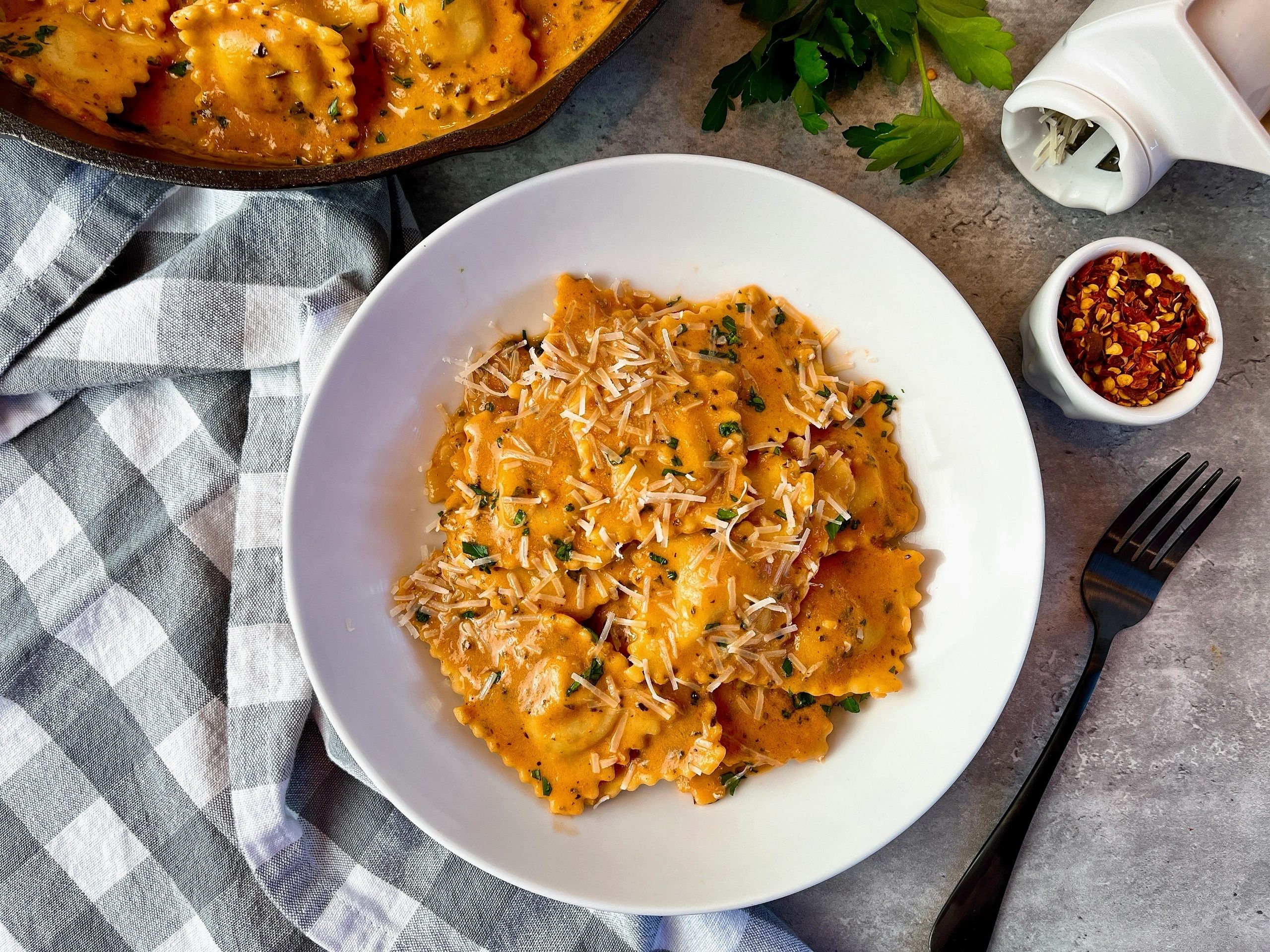
If you enjoy hearty Italian comfort food, you may also like a rich, creamy bowl of four cheese pasta cheesecake factory-style pasta. It is a good match for a light vegetable soup on the same night, especially when you want something indulgent alongside your dinner.
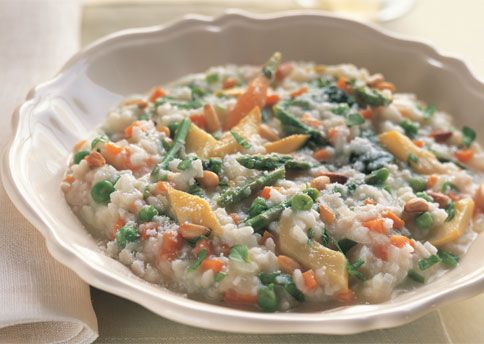
For another vegetable-forward side, try roasted tomatoes with basil and pesto. The sweet, caramelized tomatoes pair well with the herbs in this soup, and they make a colorful addition to any table. Serve them warm or at room temperature.
When you want something lighter, pair a bowl of this soup with a simple green salad dressed in lemon and olive oil. The acidity cuts through the richness of the beans and keeps the meal feeling fresh.
Conclusion
This minestrone is simple to make, forgiving on a busy evening, and easy to adjust to what is in your fridge. Build the base slowly, season in stages, and let the soup simmer until the flavors come together. If you try it, let me know in the comments how it turned out and which vegetables you added. Rate the recipe or share it with a friend who loves a good bowl of soup.
FAQs
When is the best time to eat Minestrone Soup Recipe?
Minestrone Soup Recipe is best eaten warm for dinner, especially on cool days, served with bread and a green salad. It is filling enough to work as a full meal on its own. The soup often tastes even better the next day, after the flavors have had time to blend in the refrigerator.
Can you freeze minestrone soup?
Yes, minestrone is freezer-friendly, and this recipe is labeled that way. Cool the soup completely, then freeze it in airtight containers for up to several months. Pasta softens during freezing and reheating, so for the best texture, cook fresh pasta and add it when you reheat the soup.
What beans can I use instead of kidney and cannellini beans in minestrone?
Great Northern, navy, pinto, or chickpeas work well in place of kidney or cannellini beans. Choose beans with a similar creamy texture so the soup stays hearty. Canned or cooked dried beans both work, and draining and rinsing canned beans helps reduce sodium.
Why does pasta get mushy in minestrone soup?
Pasta becomes mushy when it simmers in the soup for too long, because it keeps absorbing broth even after the heat is off. Add small pasta such as ditalini near the end of cooking, or cook it separately and add it to each bowl. Leftovers thicken as they sit, so loosen them with a splash of broth when reheating.
Is minestrone soup suitable for people watching sodium or taking blood thinners?
Minestrone can fit a lower-sodium eating pattern when you use low-sodium broth and rinsed canned beans. If you take a blood-thinning medication, talk with your doctor before changing how often you eat spinach or other leafy greens, since they contain vitamin K. This is general information, not personal medical advice.