Introduction
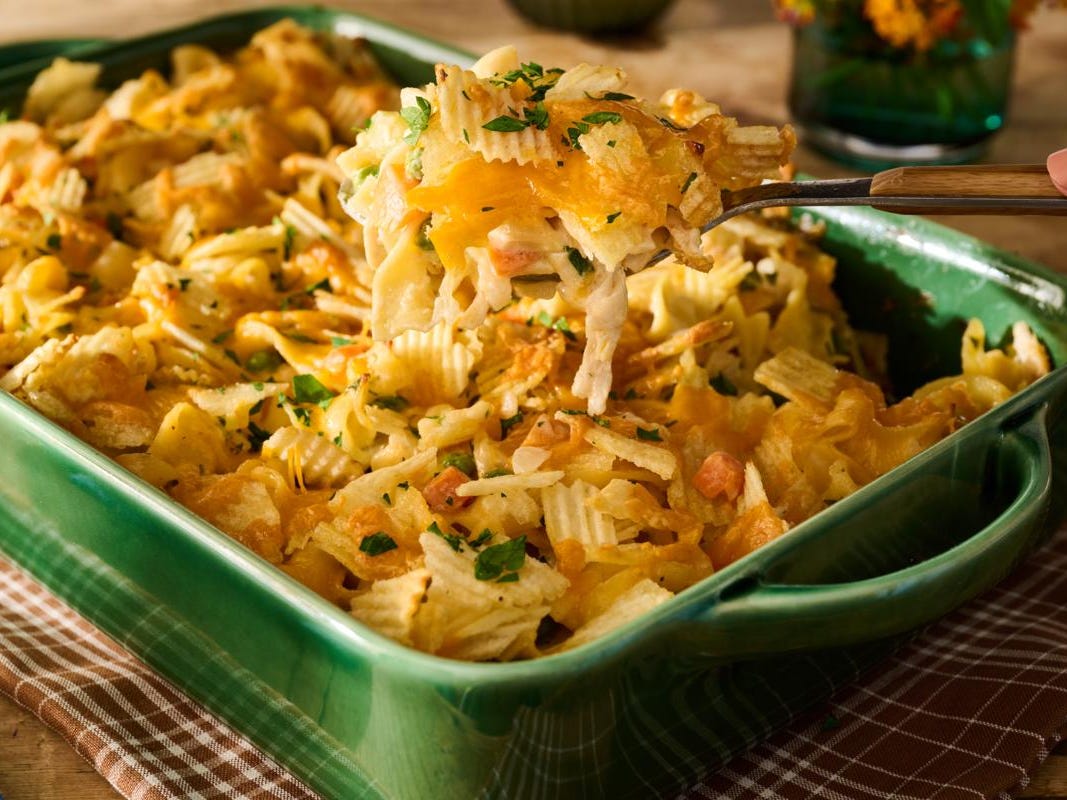
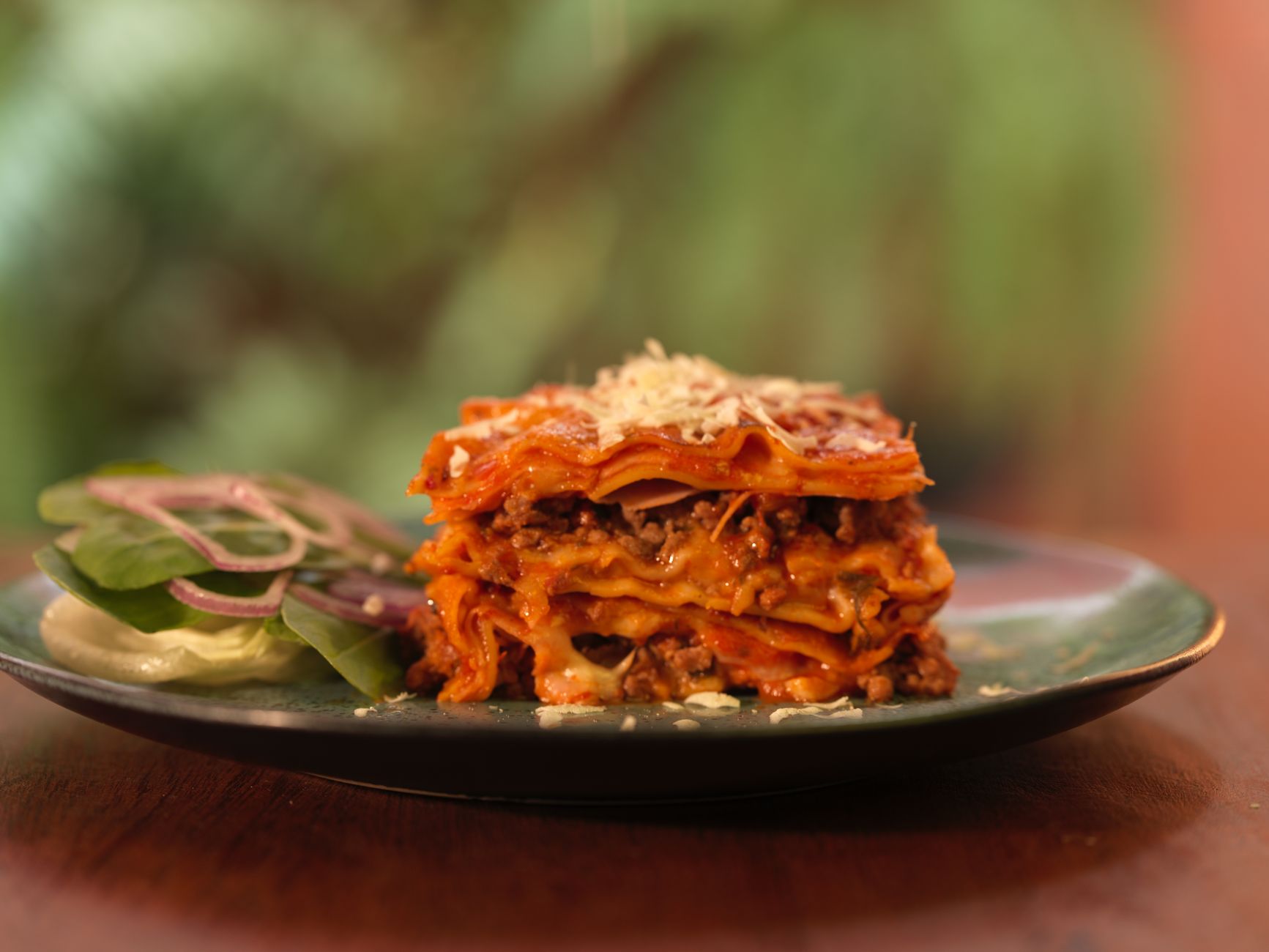
Diabetic casserole recipes bring comforting, low sugar casserole recipes right to your dinner table. These dishes offer blood sugar friendly dinners that balance taste and nutrition perfectly. Using wholesome ingredients, they support managing carbohydrate intake dinner without sacrificing flavor. If you want easy, satisfying meals that fit your health goals, these casseroles deliver hearty flavors and health benefits together.
Why They Matter
What Makes Diabetic Casserole Recipes Unique?
Diabetic casseroles differ from traditional versions by focusing on ingredients with a low glycemic index. Fiber-rich vegetables, lean proteins, and natural herbs replace starch-heavy fillers. This approach creates baked casseroles diabetic-friendly without losing richness or comfort. Chicken casserole for diabetics, for example, swaps white rice for cauliflower rice, reducing carbs while keeping texture intact. These recipes also cater to gluten-free diabetic casserole needs, making them accessible and versatile.
Who Benefits Most?
These casseroles suit people managing diabetes, those watching their weight, or anyone wanting nutrient-packed low sugar meals. Beginners and experienced cooks alike find these recipes approachable, fitting busy lifestyles or weekend batch cooking. They also match well with weight management meals, giving lasting energy and satisfaction without blood sugar spikes.
Why These Recipes Excite
Unlike casseroles overloaded with hidden sugars or refined carbs, these meals use smart ingredient swaps. Fresh vegetables, lean meats, and moderate cheese portions maintain flavor while supporting stable glucose levels. They adapt easily, whether you want keto-friendly alternatives or meals fitting round-the-family gatherings.
Ingredients & Preparation
| Prep time | Total time | Servings | Calories | Diet tags |
|---|---|---|---|---|
| 15 minutes | 60 minutes | 6 | 320 per serving | Gluten-Free, Low-Carb |
Ingredients List and Substitutions
- 2 cups cauliflower rice (or substitute brown rice for higher carbs)
- 2 medium zucchinis, diced
- 1 lb lean chicken breast, cut into bite-sized pieces
- 1 cup diced tomatoes, no added sugar
- 1 cup low-fat shredded cheese (use dairy-free if lactose intolerant)
- 1 medium onion, finely diced
- 2 cloves garlic, minced
- 2 tbsp olive oil
- 1 tsp dried oregano
- 1 tsp dried basil
- Salt and pepper, to taste
Equipment Needed
A 9x13 inch casserole baking dish works best for even cooking. Mixing bowls help combine ingredients quickly. A food processor speeds cauliflower rice preparation but grating by hand also works fine.
Choosing Quality Ingredients
Fresh, organic vegetables enhance both flavor and nutrient content. Avoid canned tomatoes that contain added sugars or preservatives. Choose hormone-free chicken breast for cleaner protein and better taste.
Step-by-Step Instructions
Step 1 Prepare Vegetables
Wash the zucchinis thoroughly and dice into small cubes. Break the cauliflower into rice-sized pieces using a food processor on pulse for 10 seconds or grate manually. Finely dice the onion and mince the garlic for even cooking.
Step 2 Cook Filling
Heat olive oil in a large skillet over medium heat. Saut diced onions and garlic for exactly 3 minutes until translucent and aromatic. Add chicken pieces and cook for 6 minutes, stirring often, until they turn white and no pink remains.
Step 3 Combine Ingredients
In the casserole dish, mix cooked chicken, cauliflower rice, diced zucchini, and tomatoes. Sprinkle oregano and basil evenly. Add cheese on top but hold off on salt; cheese adds natural savoriness.
Step 4 Bake and Serve
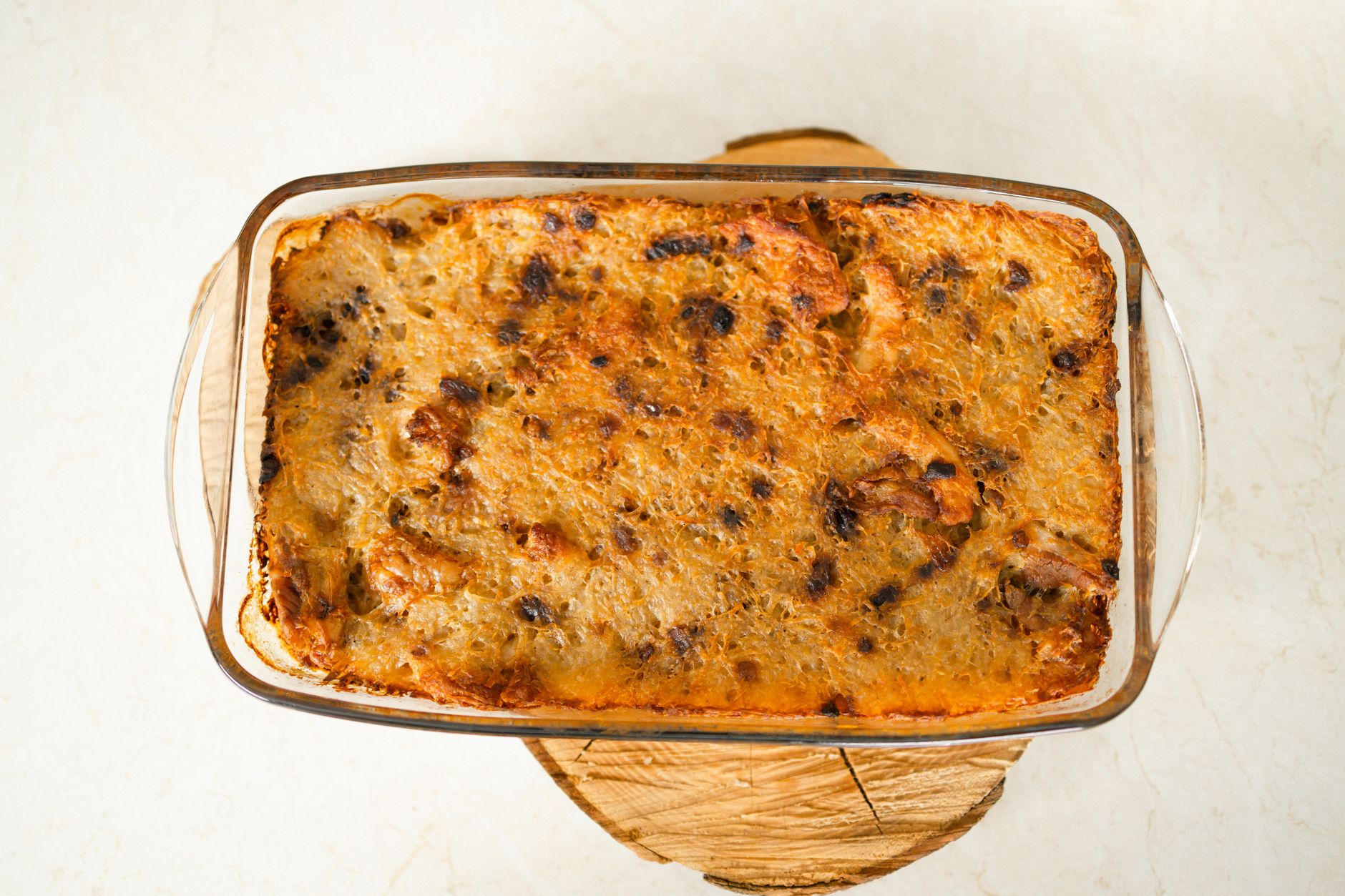
Preheat oven to 375F (190C). Bake casserole uncovered for 35 to 40 minutes. Watch for a golden, bubbly surface. Remove promptly and serve warm or cool completely before storing.
Variations & Substitutions
Low-Carb and Vegetarian Options
To make a vegetarian diabetic casserole recipe, replace chicken with firm tofu cubes or cooked lentils. Swap cheese for nutritional yeast or vegan cheese to keep it dairy-free. These options maintain protein content and richness without raising carbs.
Ingredient Swaps
Brown rice can replace cauliflower rice but adds more carbohydrates. Selecting canned vegetables will decrease freshness and increase sodium, which isnt ideal for managing blood sugar control. Fresh ingredients always produce the best textures and flavors.
Spice and Flavor Adjustments
For extra heat, stir in teaspoon crushed red pepper flakes. Earthy rosemary can replace basil for a deeper aroma. A sprinkle of lemon zest brightens the casserole beautifully with very few calories.
Storage & Shelf Life
Refrigeration
Keep leftover casseroles in airtight glass containers. Refrigerate for 4 to 5 days at temperatures below 40F. Before storing, let the dish cool to room temperature.
Freezing
Portion casseroles into freezer-safe containers and label with the date. Freeze up to 3 months. Thaw overnight in the fridge before reheating thoroughly. Avoid refreezing once thawed.
Make-Ahead Tips
Double this recipe to bake and freeze half. Use vacuum-sealed bags or sturdy containers to reduce freezer burn. Perfect for busy weeknight dinners, especially when combined with diabetic casseroles that freeze well.
Pro Tips & Troubleshooting
Boosting Flavor Without Sugar or Salt
To enhance aroma without sodium, toast herbs gently in a dry pan before adding. Fresh garlic and a splash of lemon juice add tangy brightness that cuts bitterness and deepens taste.
Fixing Soggy or Bland Casseroles
Excess moisture causes sogginess. Drain diced tomatoes well and avoid watering down vegetables. To revive bland casseroles, add acid like vinegar or fresh herbs right before serving for a lift.
Expert Upgrade
Try sprinkling smoked paprika on top before baking for a smoky depth that complements the mild chicken and vegetables. It adds complexity without carbs or extra calories.
When is the best time to eat diabetic casserole recipes?
Diabetic casserole recipes are ideal for lunch or dinner. They provide steady energy and satiety thanks to balanced proteins and fiber. Eating them warm makes the most of their comforting aroma and flavor.
Can I make a big batch ahead of time?
Yes, these casseroles store well for meal prepping. Refrigerate leftovers for 4 to 5 days, or freeze individual portions for up to 3 months. This makes dinner on hectic days much easier.
Fresh chicken or canned which is better?
Fresh chicken offers superior texture and flavor while avoiding the extra sodium found in canned options. For diabetes-friendly dishes, fresh lean protein supports better blood sugar control.
Is this safe for pregnant women or people on medication?
Generally, these recipes are nutritious and safe. However, individuals on blood thinners or with kidney disease should consult healthcare providers before changing their diet.
How often can I eat diabetic casseroles?
Enjoy these casseroles regularly as part of a varied diet. Incorporate a range of vegetables and proteins to ensure nutrient balance and avoid monotony.
Why does mine taste bland or too salty?
Blandness usually means herbs or spices are underused. Excess salt often comes from cheese or canned ingredients. Taste as you go and adjust seasoning carefully.
What pairs well with diabetic casseroles?
Fresh green salads, steamed non-starchy vegetables, or a soothing herbal tea complement casseroles nicely without adding unwanted carbs or calories.

More Recipes You Will Love
Try low-carb dinner ideas for diabetes management for more balanced meals with strong flavors. If you want succulent meat dishes, the Lamb chops with garlic and rosemary recipe 2009041 will delight your taste buds. For baking enthusiasts, the Jamaican hard dough bread 18591120 is a fun project to complement your meals.
Conclusion
Diabetic casserole recipes bring healthful, delicious dinners that support blood sugar control. These meals blend satisfying textures and balanced nutrients with easy preparation. Try this recipe to enjoy a comforting baked casserole that fits your lifestyle. Feel free to share your results or rate the dish below. Also, explore our other healthy chicken casserole variations for variety and wholesome flavor.
FAQs
When is the best time to eat diabetic casserole recipes?
Diabetic casserole recipes are ideal for lunch or dinner. They provide balanced proteins and fiber that offer steady energy and lasting satiety, making warm servings especially comforting and satisfying.
Can I make a big batch of diabetic casserole recipes ahead of time?
Yes, these casseroles store well for meal prepping. Refrigerate leftovers for 4 to 5 days or freeze individual portions for up to 3 months, making busy days easier to manage with ready meals.
Is fresh chicken better than canned for diabetic casseroles?
Fresh chicken provides superior texture and flavor and avoids the extra sodium found in canned chicken. For diabetes-friendly dishes, fresh lean protein helps support better blood sugar control.
How often can I eat diabetic casseroles safely?
Enjoy diabetic casseroles regularly as part of a varied diet. Incorporate different vegetables and protein sources to maintain balanced nutrition and avoid dietary monotony.
What can I serve with diabetic casseroles?
Diabetic casseroles pair well with fresh green salads, steamed non-starchy vegetables, or herbal teas. These sides add nutrients and flavor without increasing carbs or calories significantly.